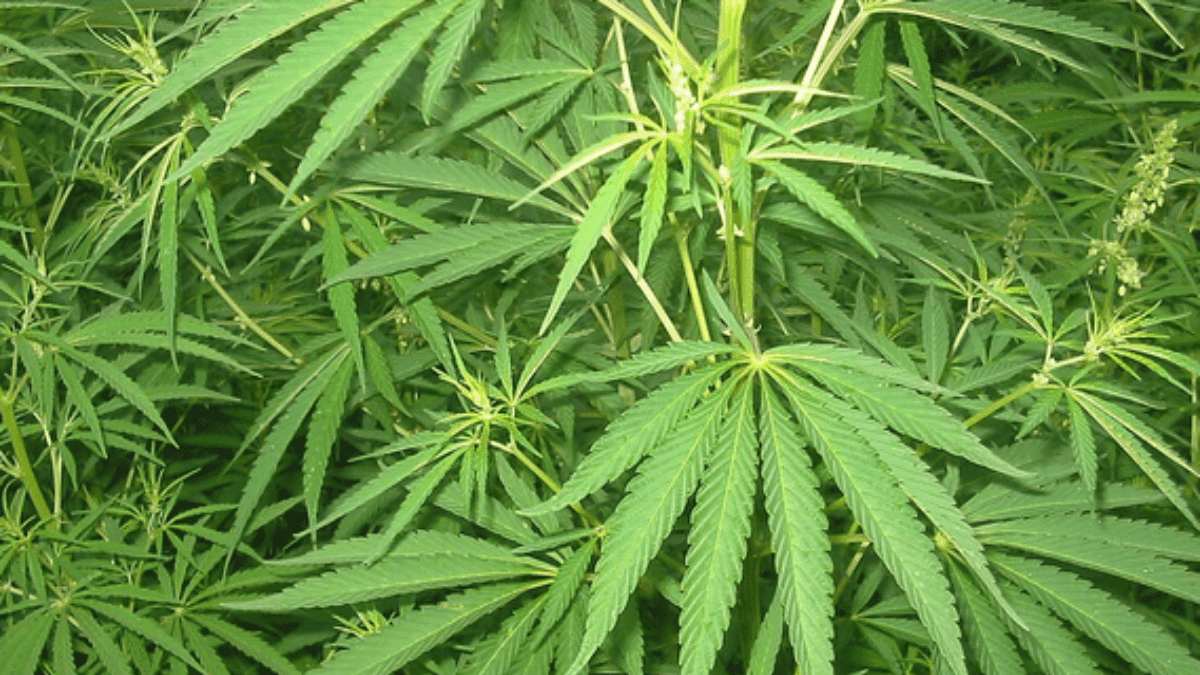
National Council for Human Rights points a way for Cannabis - and it goes through public health
CNDH suggests policies to expand access to Medicinal Cannabis | CanvaPro
Published at 11/23/2025The debate on Medicinal Cannabis in Brazil has been shifting from the realm of taboo to that of scientific evidence. Nevertheless, those who live this daily life clearly see that the country remains stuck in a fragmented, bureaucratic, and unequal logic.
Therefore, Recommendation No. 18/2025, recently published by the National Council for Human Rights (CNDH), deserves attention. The document is not just a technical gesture, it is a project. It proposes a Medicinal Cannabis policy centered on human rights, science, and equity.
One of the most innovative points is the proposal that the Ministry of Agriculture regulate participatory certification mechanisms for the production of Medicinal Cannabis. In other words: recognizing that it is possible and legitimate to guarantee quality, traceability, and sanitary safety without excluding those who currently support community-based production. Thus, patient associations are seen as legitimate actors in public health.
Another advance suggested by the CNDH is the creation of Complementary Specialties Centers in Cannabis Therapy. These centers would be multiprofessional spaces within the SUS, where patients could receive medical and pharmaceutical follow-up, guidance on the safe use of products, and monitoring of possible adverse effects.
This is a bold and necessary step. After all, Cannabis is related to a medical specialty; it is a transversal therapy that interacts with various areas such as neurology, psychiatry, oncology, and chronic pain management. Care for Cannabis is part of comprehensive health care.
Another structuring axis of the recommendation is academic training. The CNDH proposes that teaching about the endocannabinoid system, ideally the endocannabinoidome, a broader concept, and Cannabis therapies become mandatory in health-related courses, a subject addressed in the previous column published here. It may seem obvious, but it is still far from the reality of Brazilian universities.
The text does not cover other training, but agronomists, agricultural engineers, geneticists, chemists, and other professionals also need to learn about the topic.
The document also suggests the creation of residency programs and specific research grants on the subject, which can boost national scientific production and reduce dependence on international data.
Finally, perhaps the most symbolic passage of the document is the one that advocates for the integration of Medicinal Cannabis into the High-Cost Medication Program, ensuring free access through SUS.
Today, thousands of patients can only maintain treatment through judicial decisions or support from associations.
Recommendation No. 18/2025 is a roadmap. It does not have the force of law, but it indicates a path that the Brazilian State can and should follow. A path where science, social justice, and dignity walk together.