Results
Filtros
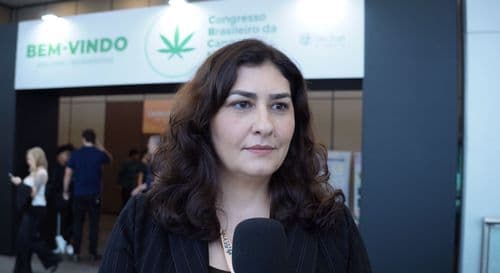
Science gains prominence in cannabis regulation
Advances by Anvisa in 2026 reinforce debate on research and public policies in the sector
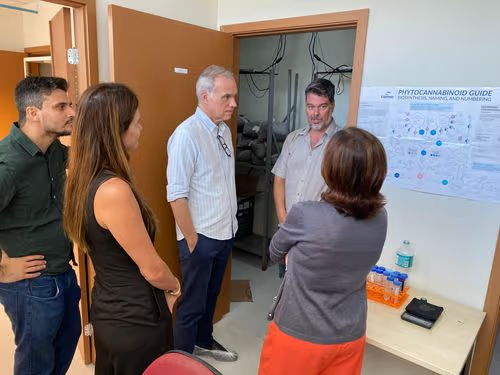
UFRN initiates cannabis cultivation for scientific research
The Federal University of Rio Grande do Norte (UFRN) has become the first institution in Brazil authorized by Anvisa to carry out controlled cultivation and processing of cannabis for scientific research. The planting takes place in an indoor system at the Brain Institute (ICe-UFRN), focusing on studies on epilepsy, autism, pain, sleep, and other neurological disorders

Anvisa alerts to risks of “slimming pens” and debate on therapeutic alternatives grows
Anvisa warns of risk of pancreatitis and reinforces that slimming pens require prescription and medical monitoring.

“The cycle is now national”: Anvisa's CEO details new milestone in cannabis cultivation and predicts up to 60% cost reduction
In an interview with the CB.Poder program of Correio Brasiliense, conducted by journalists Adriana Bernardes and Sibele Negromonte, Leandro Safatle, acting CEO of Anvisa, detailed the behind-the-scenes and expectations regarding the new regulation of medicinal cannabis and research in Brazil

Regulation, Science, and Quality Define the Future of Medicinal Cannabis in Brazil
Director of Institutional Relations evaluates national cultivation, new RDCs from Anvisa, and the challenges to consolidate the sector in the country
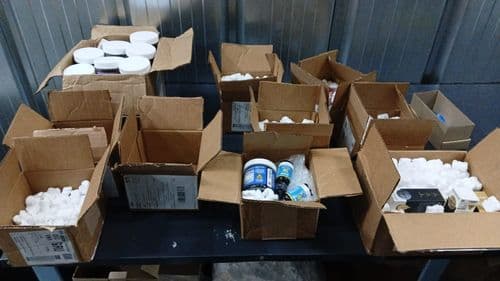
Mother reports distress after Federal Revenue retains cannabidiol intended for autistic son
Imported product with medical prescription and authorization from Anvisa is being held by Federal Revenue at Gollog cargo terminal in Guarulhos

Anvisa rectifies RDC No. 1,015 and adjusts labeling rules for cannabis products
Correction published in the Official Gazette clarifies requirements on packaging and maintains authorization for magistral manipulation of CBD
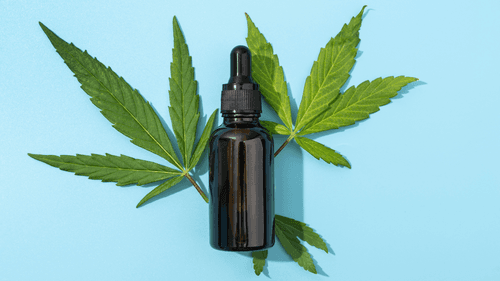
Anvisa publishes new RDC 1.015 and redefines the regulatory framework for medicinal cannabis in Brazil
Resolution No. 1,015/2026 tightens technical requirements, expands sanitary controls, and consolidates authorization as a transitional step before the registration of medicines
Anvisa updates control of substances and redefines rules for medicinal cannabis
New RDC No. 1,011 expands regulatory details on Cannabis derivatives, medicinal products, and pharmaceutical inputs

Review of RDC 660 reignites debate on competitiveness and access to imported products
Anvisa proposes exclusive process for the regulation and experts point out impact on the sector
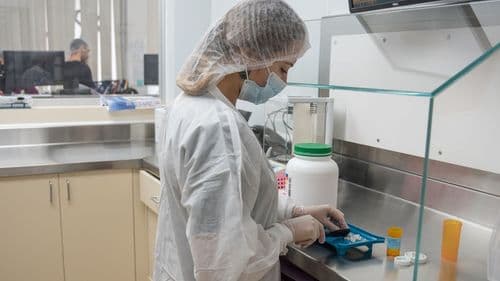
Compounding pharmacies await new Anvisa rules to work with cannabidiol
Despite technical feasibility, Anvisa conditions the production of cannabidiol on the publication of a specific regulation, with validity in 90 days

CIOSP discusses advancement of cannabinoid therapies in dentistry after Anvisa update
The topic was discussed during a lecture at the 43rd CIOSP, the largest dentistry congress in Latin America, focusing on scientific evidence and the impacts of Anvisa's new regulations on dental practice in the treatment of orofacial pain.

Anvisa approves resolutions to regulate cannabis cultivation in Brazil
Agency defines a modular strategy for cannabis cultivation, establishing distinct rules for patient associations, research, and industry
Anvisa approves new Cannabis regulation and allows compounding pharmacies
Revision of RDC 327 allows the compounding sector to produce derivatives, while individual importation by individuals remains under old rules and will be analyzed separately
Anvisa proposes new RDC for medicinal cannabis products and maintains RDC 660 out of the review
Anvisa's proposal establishes a new regulatory framework for industrialized medicinal cannabis products in Brazil
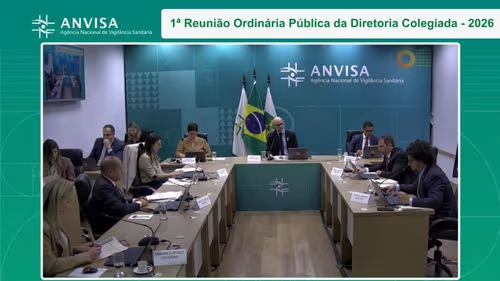
Follow Live: Anvisa now debates review of RDC 327 and cultivation
Anvisa directors meet this Wednesday (28) to discuss the update of medicinal cannabis regulations; learn how to follow
Follow Live: Anvisa now debates revision of RDC 327 and cultivation
Anvisa directors meet this Wednesday (28) to discuss the update of medicinal cannabis regulations; learn how to follow
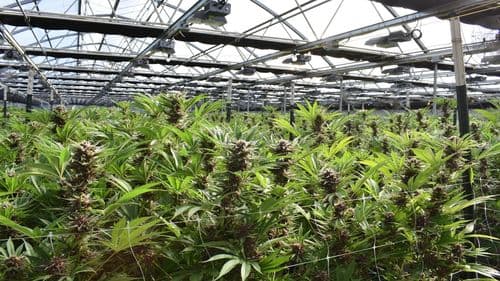
Anvisa presents rules for commercial cultivation of cannabis maintaining low THC content for the pharmaceutical industry
Proposal authorizes companies to cultivate plants with up to 0.3% THC exclusively for the production of medicinal inputs, but experts warn of the technical unfeasibility of the limit in a tropical climate
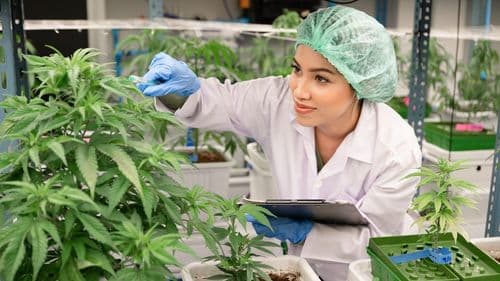
Anvisa proposes strict rules for cannabis cultivation for research purposes in Brazil
New resolution allows planting by universities and pharmaceutical industries, requiring maximum security systems and total traceability of the plant

Anvisa proposes creation of “Regulatory Sandbox” for cannabis cultivation by associations
Proposal aims to regulate the performance of non-profit entities in a controlled experimental environment, using the Regulatory Sandbox model to comply with STJ decision