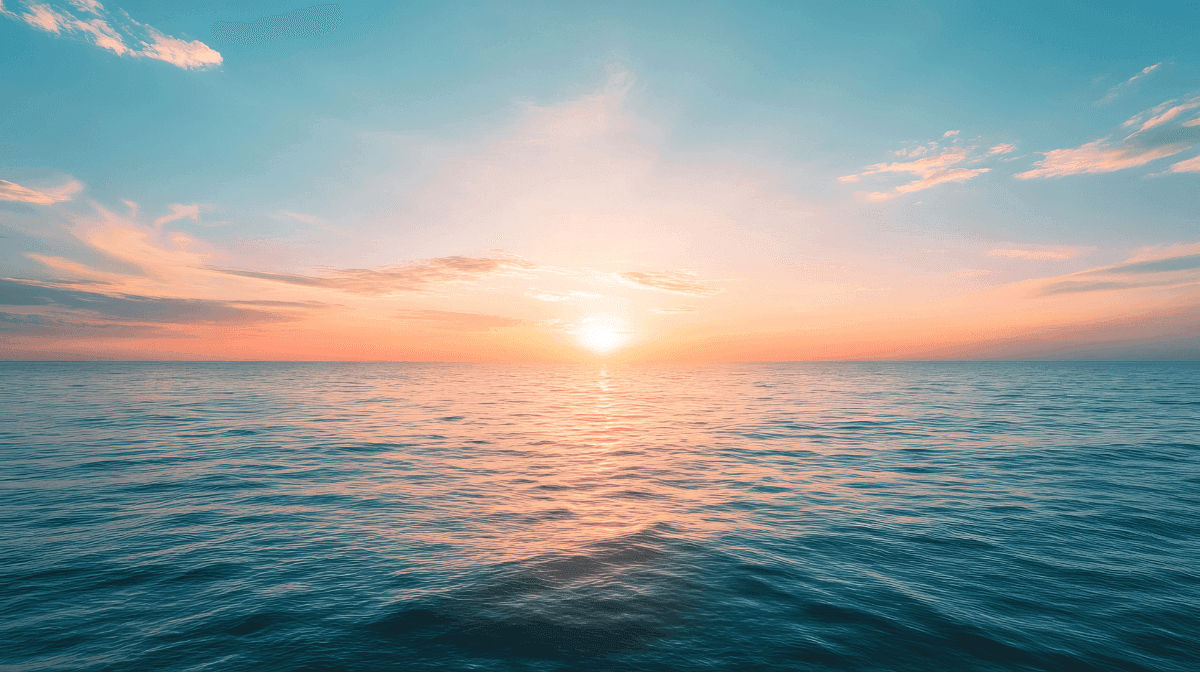
Calm sea and care with C(alm): what cannabis allowed me to be
Between burnout and rediscovering one's essence, a doctor tells how cannabis helped her rediscover the pleasure of caring, first for herself, then for others | CanvaPro
Published at 12/07/2025
You must have heard that 'a calm sea does not make a good sailor.' But who said we want to be sailors?
I left my parents' house at 16, coming from a small town in the interior of Mato Grosso. I moved to the capital to study and, at that time, I already dreamed of being a successful doctor. It was years of study until a new change: I got into college in the interior of São Paulo and there I was again, rearranging life in an unfamiliar city.
The intense years of college, combined with great pressures and responsibilities, culminated in a phase of deep concern about the future. During the internship years, I found myself lost — among hospitals, emergency care units, wards, operating rooms, and the lump in my throat of not fitting into these environments. I didn't want to live on call. I didn't understand what came after hospital discharge. 'Who will really take care of this patient when they leave here?' I thought.
Lost in choosing a specialization and considering dropping out of college — after all, what sense did it make to be a doctor if I didn't want to work in a hospital or be on call? — that's when I discovered Family Medicine.
I saw, in the 'health center,' a field of work that made sense. After all, as it is already popularly known: 'prevention is better than cure' — and a good foundation supports the entire building.
I graduated and entered the Family and Community Medicine residency program in Barretos. I moved again. Two intense years of residency intertwined with the Covid-19 pandemic: care with masks and gloves, touch with fear, distance from family, friends, boyfriend.
The pandemic ended, the state of alert was lifted, and the proposal to take over a Family Health Strategy team came. I thought, 'finally, I will follow my purpose of caring for people with C(alm).'
But amidst rushed appointments, huge demands, residents, students, interns, nurses, community health workers, secretaries, and endless bureaucracies, I became frustrated again. This was not what I imagined real care for someone to be.
Then came what was becoming increasingly common: burnout. Many people said it was 'whining,' something for 'weak people,' for those who 'can't handle it.' Far from it, I recently heard a much more appropriate definition: neuroscientist Carla Tieppo says that burnout affects 'people passionate about what they do,' who do not respect their own limits because they want to give more in what they love. When recognition does not come in the same measure as the effort, the tipping point of exhaustion occurs.
I felt exhausted and alone. I quit my job, moved to another city to live with my boyfriend and start over. That's when medical cannabis came into my life — first as an aid in controlling anxiety and sleep. Then, out of curiosity: how could a plant act on so many diseases, and I had never heard of it in college or residency?
I studied, delved deeper, and understood what the endocannabinoid system was — and why it helped regulate our bodies. I fell in love again with the possibility of practicing a different kind of medicine from what I knew: a medicine that would allow me to care for people without having to compromise my own mental health.
After all, how can someone in 'shambles' really take good care of others?
You can't. There is no good care if you are not the first to take care of yourself. I learned this at the limit of my exhaustion, alone with myself. I understood that I needed to be well.
I found new hobbies, started doing crossfit — a physical activity that I really enjoy — and now the training schedule is non-negotiable. I learned to say 'no,' to respect my body, to set boundaries, and not feel guilty or weak for it.
We can allow ourselves to find other paths on this journey we call life. It's not always easy, but it's possible — with a calm sea, one that allows us to float and contemplate the vastness of the sky merging with the vastness of the sea and our own existence.
Carolina Rosa, Family and Community Doctor at the Hospital de Amor in Barretos/SP, specialist with international certification in endocannabinology by Wecann and Paladini Institute, currently a postgraduate student in Psychiatry at Famerp/SP.
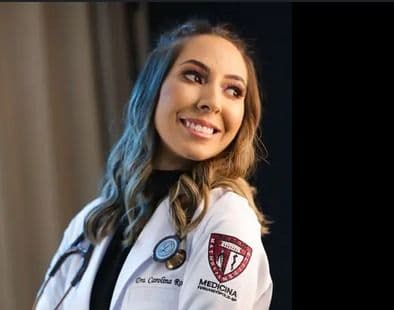
Dr. Carolina Rosa is a family physician from Hospital de Amor, with a focus on mental health, currently pursuing a postgraduate degree in psychiatry at Famerp. Dedicated to caring for anxious minds and atypical families. She is a scholar of the clinical use of medicinal cannabis and uses phytocannabinoids as part of her therapeutic approach, based on science and empathy, to promote better quality of life and well-being for her patients. Her work combines technical knowledge, empathetic listening, and genuine care, always focusing on the individuality of each person.