Medicinal Cannabis in Brazil: Regulating to Care, Not to Restrict
With a deadline imposed by the STJ, Brazil decides whether the regulation of medicinal cannabis will be guided by science and patient care or by restrictions that limit access to treatment.
Published at 01/26/2026By Marilene Esperança
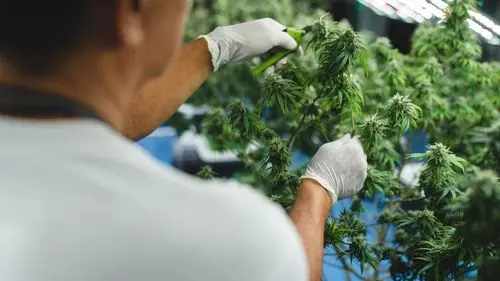
2026 has begun and with it the regulation of medicinal cannabis in Brazil ceases to be just a technical debate and officially becomes a matter of judicial compliance. The First Section of the Superior Court of Justice (STJ) extended until March 31 the deadline for the Union to regulate the cultivation of industrial cannabis for exclusively medicinal and pharmaceutical purposes, exposing the Brazilian State's difficulty in transforming judicial decisions into effective public policies.
By setting the new date, the STJ not only postponed the deadline: it hardened the demand. The collegiate approved a new Action Plan and determined that the Union and the National Health Surveillance Agency (Anvisa) must report the execution of each stage of the schedule within five days after its completion. The measure aims to reduce the margin for further postponements and imposes a minimum level of transparency on a process historically marked by delays.
In practice, what is at stake goes far beyond the timeline. The rules that will be defined will structure the entire production chain — from cultivation to patient access — and will reveal whether the country will opt for a public health policy based on scientific evidence or for a restrictive, concentrated model that is distant from the real needs of those who depend on cannabis to live with dignity.
Instead of ensuring safe, broad, and science-based access, some of the proposals under discussion insist on creating barriers such as the recurring attempt to limit the THC (tetrahydrocannabinol) content in medications, a scientifically weak and socially exclusionary measure.
THC is one of the main therapeutic compounds of cannabis and, in numerous cases, it is precisely THC that provides relief from intense pain, reduces spasms, controls nausea, stimulates appetite, and significantly improves quality of life. People with Parkinson's, chronic pain, fibromyalgia, refractory epilepsy, multiple sclerosis, and advanced-stage cancer find in THC an irreplaceable ally to preserve functionality, autonomy, and dignity.
Imposing arbitrary limits on THC is, in practice, condemning thousands of Brazilians to incomplete or ineffective treatments. In many cases, this also increases costs, as the patient becomes dependent on multiple medications or on the importation of high-value products, which are inaccessible to most of the population.
It is important to remember: the medicinal use of cannabis is done with a prescription and professional monitoring. It is not about recreational use or lack of control, it is about healthcare.
Brazil does not need a regulation based on fear, moralization, or concentrated economic interests. It needs rules built on scientific evidence, active listening to patients, and a commitment to democratic access.
What is at stake
The Public Consultation of Anvisa, held in 2025, brought up important debates, such as expanding prescription forms, new administration routes, and the possibility of including other healthcare professionals. However, it also revealed a concerning risk: creating a regulation that exclusively favors low-THC products, aligned with the interests of large companies, but disconnected from the real clinical needs of thousands of patients.
Meanwhile, research and development initiatives are ongoing, such as studies focused on adapting seeds to the Brazilian climate and building regional cultivation hubs. These projects are strategic not only for the country's health sovereignty but also for cost reduction, expanded access, and the strengthening of associative and community models.
Defending science is ensuring access
Year in, year out, the central question remains: will the policy on medicinal cannabis in Brazil be built to care for people or to serve market interests?
The definition of THC limits, cultivation rules, and forms of access is not a technical detail, it is a political choice that directly impacts the lives of thousands of families. Medicinal cannabis cannot be treated as a privilege, concession, or bargaining chip. It is a matter of public health, human rights, and dignity.
Fair rules, based on science, with national cultivation, strengthening of associations, responsible prescription, and safe access are the only possible path to ensure that no patient goes without treatment. The moment demands vigilance, social mobilization, and continuous pressure on decision-makers.
Regulating to care is putting life first!
Marilene Esperança is the founder and president of AbraRio - Brazilian Association for Access to Medicinal Cannabis in Rio de Janeiro. An atypical mother, she began her journey in the fight for access to medicinal cannabis after the diagnosis of a rare disease in her son Lucas, Rasmussen's Syndrome. Since 2020, she has led AbraRio, which has judicial authorization for the cultivation of cannabis for medicinal purposes and has already welcomed more than 4,500 members in 17 states and the Federal District. A national reference, she advocates for fair regulation and for safe, democratic, and responsible access to medicinal cannabis.
Este texto foi produzido por autores convidados e não reflete, necessariamente, a linha editorial do Sechat. Interessados em colaborar podem enviar seus materiais para jornalismo@sechat.com.