Not to mention the flowers: bioeconomy and cannabis production chains in Brazil
From medicine to biomaterials, plant emerges as a strategic asset for productive sovereignty and the consolidation of bioeconomy in Brazil
Published at 11/02/2025Flowers carry powerful symbols. They are messengers of cycles, silent resistance, and profound renewals. In colonial Brazil, a plant with discreet flowers, hemp, was already cultivated to produce fibers that reduced dependence on English linen. Centuries later, it is once again a plant that blooms at the center of debates on innovation, sustainability, and productive sovereignty: cannabis. Speaking of it today is speaking of the past, present, and, above all, the future.
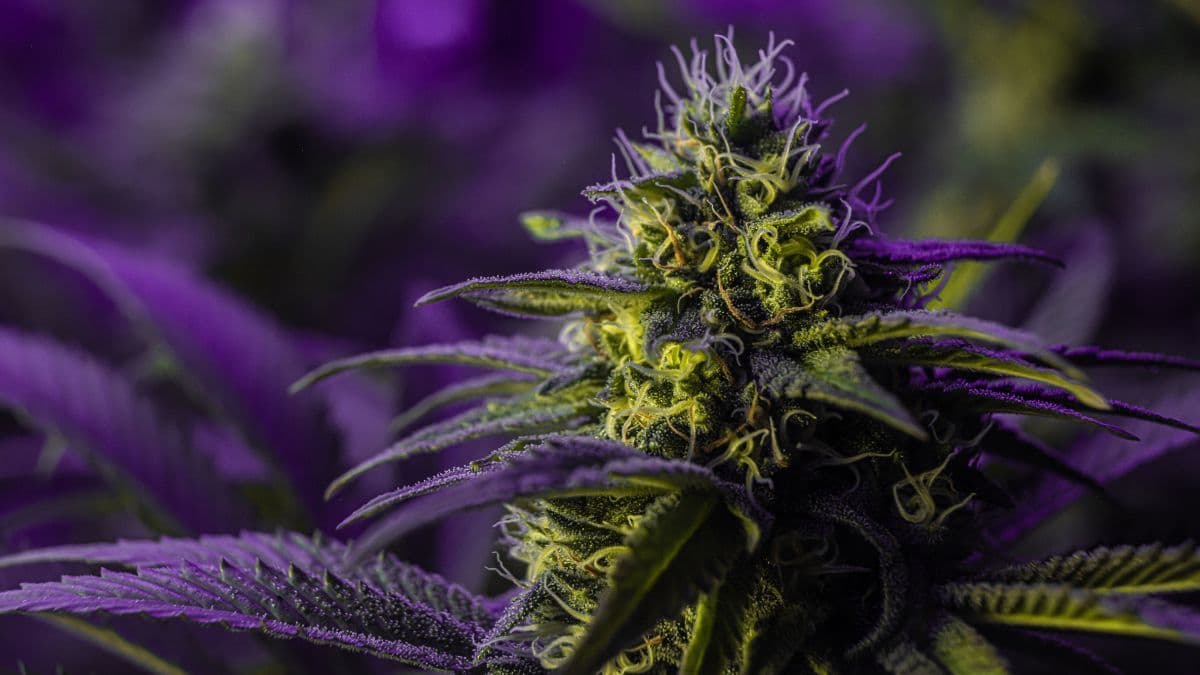
In the cannabis universe, flowers have a literal and decisive meaning. The species presents male and female plants, each with distinct functions: while males produce pollen and are essential for reproduction and seed production, only the flowers of female plants concentrate cannabinoids and terpenes, bioactive compounds responsible for the medicinal and pharmacological effects that currently drive research, regulations, and production chains worldwide.
These female flowers, rich in glandular trichomes, are the central raw material of the medicinal cannabis chain, used for the production of medicines, herbal remedies, and Active Pharmaceutical Ingredients of Plant Origin (API-P). It is in them that the chemical diversity is found, which underpins the therapeutic use of the plant in neurological, inflammatory, and autoimmune conditions, as well as in palliative care. Thus, the metaphor of flowers becomes a concrete reality: they sustain the scientific and economic basis of an emerging production chain that connects Brazil to the forefront of biomedical innovation.
The development of new production chains is one of the cornerstones of any economic and technological transformation strategy. And no other area translates this convergence as well as agriculture, which is now repositioning itself as a pillar of the bioeconomy. In the Brazilian case, the medicinal cannabis chain and the reintroduction of the industrial hemp chain emerge as strategic themes for the construction of a strong and diversified bioeconomy. The recent National Bioeconomy Strategy (established by Decree No. 12,044/2024) provides a political and conceptual framework for this agenda, recognizing that versatile plant species with high added value can play a crucial role in the transition to sustainable production models.
Cannabis stands out for its multisectoral potential. A single species can supply numerous bioindustries, producing biomaterials such as bioplastics, biofuels, agricultural bioinputs, construction materials, superior quality fibers, and cellulose with lower environmental impact. Even before specific regulations for hemp aimed at fiber and seed production, the byproducts and waste from the medicinal chain already constitute a valuable biomass flow. Under the logic of bioeconomy and circular economy, these resources cannot be overlooked: they represent real opportunities for the generation of biological wealth, innovation, and new sustainable businesses.
On the other hand, more than a commodity or an agricultural crop, cannabis can be used as a symbol of the contemporary concept of 'One Health,' integrating human health, animal health, and environmental health. Its medicinal use directly addresses public health challenges, while its cultivation and industrial use can replace fossil inputs and reduce ecological impacts, integrating science, economy, and sustainability.
Scientific and technological research is a central piece in turning this potential into reality. Although the medicinal use of cannabis has been regulated in Brazil for over a decade, national production has not yet been consolidated, and its regulation is still under discussion. The country is therefore faced with a strategic choice: to remain an importer of technologies and inputs, or to take the lead in the scientific, technological, and productive development of its own chains. Advancing with autonomy and intelligence means connecting innovation, territorial development, and sustainability, transforming potential into productive sovereignty.
Embrapa researcher and president of the Permanent Strategic Advisory Committee on Cannabis Beatriz Marti Emygdio has a background in Biological Sciences, a master's degree in Plant Breeding, and a Ph.D. in Seed Science and Technology. She has been a researcher at Embrapa since 2001. She works in the area of genetic resources and breeding of annual crops. One of the pioneers in advocating for cannabis in Brazil, she participated in defining research lines and structuring Embrapa's Cannabis Research Program. Currently, as President of the Cannabis Permanent Committee (CPCAN), she advises Embrapa's Executive Board on all initiatives related to the topic. She works on structuring networks and research projects with cannabis, analyzing and proposing regulatory frameworks for cannabis cultivation in Brazil, and defining strategies and public policies to support the establishment of national, inclusive, and sustainable productive chains.