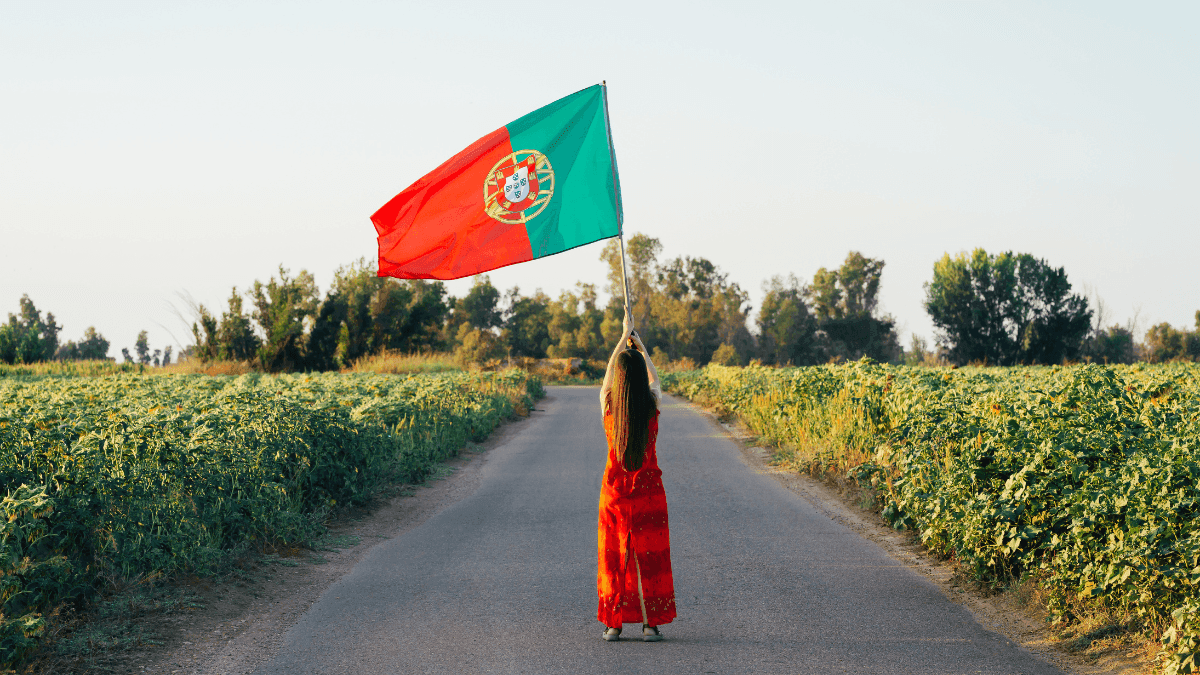
Portugal as Mirror and Bridge: Brazil Can Be a Powerhouse, But Only If It Understands the Game of Connections
Portugal inspires Brazil to accelerate its entry into the bioeconomy of cannabis and hemp, standing out as a strategic bridge for innovation, sustainability, and global expansion.
Published at 06/02/2025Two weeks ago, I was in Portugal and witnessed firsthand what I consider a glimpse of the future that Brazil can—and should—build with cannabis and hemp.
While we are still in the early stages of regulation, our Portuguese partners are already years ahead in cultivation, extraction, and innovation. I say this not with frustration, but with strategy: Brazil's timing is now. And the shortcut is clear—smart connections with those who have already walked the path.
Portugal is heavily investing in efficiency and sustainability. An example of this is the CannValue project, which integrates universities, research centers, and companies like PortoCanna to develop new extraction technologies and full plant utilization. The focus is total: from waste reduction to the use of biomass for aquaculture and animal nutrition.
Another inspiring example is Canhamor, a sustainable materials company that produces hempcrete and has already received over 22 million euros in investment. I had the opportunity to visit their facility—and I can affirm: the level of industrial sophistication and commitment to the bioeconomy is something we need to learn and bring to our territory.
Beyond technology, what stands out is the collaborative ecosystem being built there. There is real synergy between the private sector, universities, R&D centers, and government. This accelerates innovation, reduces risks, and attracts capital. Brazil, with its history of excellence in agriculture and science, has the potential to create something as robust or even more—provided the mindset of collective construction is prioritized.
It's also time to rethink our model of internationalization. Partnerships are not just to open commercial doors—they are to accelerate learning, gain regulatory muscle, develop products with global standards, and attract investors with security. Portugal can be our innovation laboratory and, at the same time, our springboard to Europe.
While we debate in Brazil what can or cannot be done with cannabis and hemp, the world moves forward. And it not only moves forward: it is willing to collaborate—provided we have clarity, seriousness, and a long-term vision.
Brazil has all the assets to become a global powerhouse: climate, soil, genetic diversity, agricultural strength, and a rapidly expanding domestic market. What are we missing? International strategy. Approach. Partnership curation. Ambition with responsibility.
This bridge between Brazil and Europe—especially with Portugal—is not just convenient because of the language or shared history. It is strategic. There we have a regulated ecosystem, with mature companies and tested technology. We don't need to make the same mistakes. We can advance faster, with more impact and less noise.
It's time to stop looking only inward. What we are building in Brazil can—and should—engage with what already exists abroad. But this requires articulation. And it is in this role that I see my mission: to act as a market architect, connecting ends, translating visions, aligning interests, and building real bridges.
Those who are attentive already know where to start.
Marcelo De Vita Grecco is a consultant, mentor, advisor, and co-founder of The Green Hub.