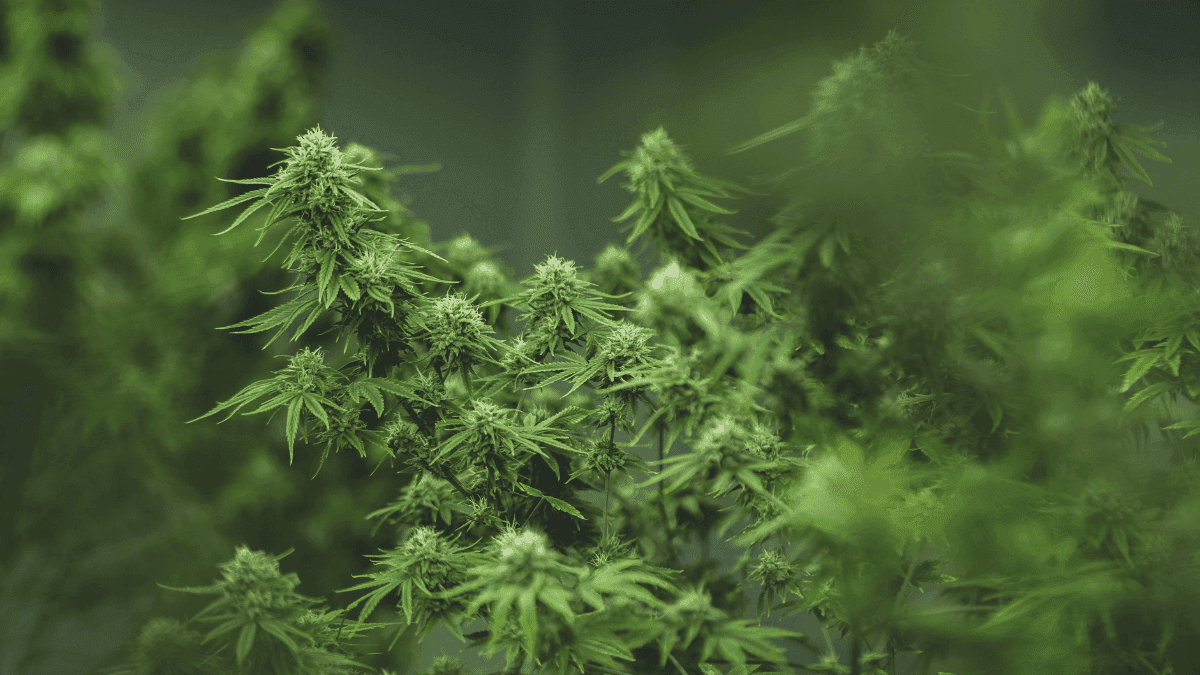
The urgency of reviewing RDC 659/2022: regulatory barriers to scientific research with Cannabis in Brazil
Despite advances in discussions on the medicinal and scientific use of Cannabis in Brazil, Anvisa's RDC 659/2022 imposes barriers that hinder research progress, especially in private Institutions of Science and Technology (ICTs)
Published at 07/06/2025Brazil has been experiencing a normative contradiction that directly impacts scientific and technological development in the field of Cannabis sativa L.
Despite advances in the public and legal debate on the subject, we still live under the weight of timid, restrictive, and outdated regulation, RDC No. 659/2022 from Anvisa, published with the purpose of regulating the importation of Cannabis-based products for scientific and medicinal purposes, has become an obstacle to the advancement of research, especially concerning private Institutions of Science and Technology (ICTs).
The norm restricts its application to so-called "teaching and research institutions", without expressly recognizing ICTs as legitimate promoters of scientific studies, even though they are registered with CNPq, recognized as non-profit organizations, and operate exclusively for scientific purposes.
This exclusion lacks constitutional, legal, or technical support - and results in a bureaucratic blockade that prevents the flourishing of an applied science, autonomous and focused on the social and environmental needs of the country.
It is important to remember that the Federal Constitution of 1988, in its article 218, states that "the State shall promote and encourage scientific development, research, scientific and technological training". Furthermore, the Legal Framework for Science, Technology, and Innovation (Law No. 13,243/2016) expressly recognizes, in article 2, item IV, Institutions of Science and Technology (ICTs), whether public or private, as legitimate protagonists of the national innovation system.
Additionally, the Drug Law (Law No. 11,343/2006), in its article 2, clearly authorizes the cultivation and manipulation of proscribed plants, such as Cannabis, for medicinal or scientific purposes, provided they are previously authorized by the government. Therefore, what is lacking is not a law, but technical regulation sensitive to the plurality of institutions that produce science in the country.
The problem is that RDC 659/2022 was built from a conservative view that sees research only in the formal university environment, disregarding the existence of independent ICTs, accredited research institutes, and centers of applied technology that often have more infrastructure and technical rigor than small private colleges.
In the case of Cannabis, this limitation is particularly serious. Since the RDC does not provide for the national cultivation of the plant even for scientific purposes, researchers are forced to import ready extracts from abroad, which increases project costs, limits samples, and generates technological dependence on countries that have already regulated the issue based on science and sovereignty. In practice, Brazil is placing itself on the sidelines of biomedical, agricultural, and industrial innovation associated with Cannabis, despite having the climate, biodiversity, and technical capacity to lead the agenda in Latin America.
At the Cannabis Brazil Institute of Science and Technology (ICTCB), we have been receiving constant requests for partnerships from universities, laboratories, and startups interested in validating technologies derived from hemp and other plant varieties. However, we cannot even start experimental protocols with cultivation, even if it is done in a controlled manner, with traceability, non-commercial purposes, and exclusively focused on scientific progress.
Legal uncertainty and the absence of a special authorization for experimental cultivation hinder the advancement of urgent research, ranging from pharmaceutical studies to applications in environmental biotechnology.
It is necessary to recognize that Anvisa missed the opportunity to include ICTs in RDC 659/2022, and by doing so, failed to foster a more agile, plural, and effective scientific ecosystem, it is necessary to review the norm.
It is desirable to establish objective technical criteria that allow institutional scientific cultivation, with sanitary controls, traceability, and institutional responsibility, as already occurs with other substances subject to special control.
The country needs to decide: will it continue to import knowledge or will it start producing it? Science involving Cannabis cannot depend on casuistic judicial authorizations, nor on the subjective interpretation of public servants who deny what the law already allows. Sanitary regulation should serve science - not block it.
The review of RDC 659/2022 is urgent, not only to correct a technical omission but to align Brazil with the constitutional values of human dignity, health, and scientific freedom. We are facing a plant with undeniable therapeutic, agricultural, and industrial potential. It is up to Anvisa and regulatory bodies to create the conditions for this potential to be studied with rigor, ethics, and independence, and not to continue imposing barriers on those seeking knowledge.
Brazilian science cannot be treated as a health risk. It is, in fact, the best tool for protecting life and building a fairer, more sustainable, and sovereign future.
Fabricio Ebone Zardo is a lawyer specialized in cannabis law, vice president and legal director of the Cannabis Brazil Science and Technology Institute.