Biological control in cannabis: learn how beneficial insects protect the plantation
Sustainable technique replaces the use of pesticides and restores the natural balance between species in cultivation

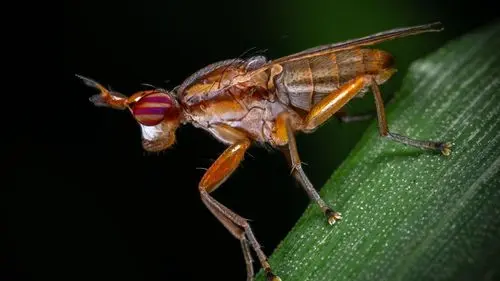
It's not a Pixar movie, although it could be. Biological control in cannabis works as a fundamental mission to restore the natural balance and prevent pests. In this saga, insects of all shapes and sizes — such as ladybugs, wasps, centipedes, and praying mantises — are the protagonists.
While conventional crops often rely on chemical controls, these products destroy biodiversity. In addition, the use of poisons can negatively affect the health of plant users.
The mechanics of biological control in cannabis
The arrival of predator species, which feed on other insects, functions as a mechanical and effective solution. It is a method that acts in harmony with the environment, not against it.
María José Ramírez, a doctor in Agricultural Sciences and entomologist, detailed to El Planteo the fundamental elements of this system. According to the specialist, biological control in cannabis consists of releasing beneficial arthropods that act as natural enemies against pests.
Inoculation can be preventive, releasing small quantities of these allies, or curative. In the latter case, larger quantities are introduced to control an established pest population.
Advantages over chemical methods
Compared to the use of poisons, the method offers greater safety for applicators, consumers, and the ecosystem. The main advantage is that the process does not involve harmful chemicals.
Furthermore, the long-term durability of biological control in cannabis is highlighted. Unlike agrochemicals, the use of natural enemies prevents pests from developing resistance to treatment.
Nematodes: invisible allies in cultivation
Nematodes are microscopic organisms effective against various pests, such as ants, fleas, moths, beetles, and flies. Their mode of action is peculiar: they penetrate the bodies of invasive larvae through the mouth or respiratory openings.
To reproduce, they release bacteria that multiply rapidly inside the insect larva, causing its death. Nematodes take advantage of the larva's corpse to grow, ensuring natural control in the garden.
Logistics and market of biological control in cannabis
To ensure effectiveness, insects must be sold in airtight containers that allow ventilation. Very fine meshes are used to prevent escapes, but still allow vital oxygen exchange.
Depending on the destination, insects are stored at refrigerated temperatures for transport. In the Argentine market, for example, there are growing opportunities in the medicinal sector for biological control in cannabis.
Profitability varies according to crop productivity, but the method can be economically efficient and flexible. For small producers, forming associations to share costs is a viable strategy.
Challenges in massive infestations
When a massive infestation occurs, known in the field as the "apocalypse thrips," the application of pesticides should be a last resort. Experts warn that the use of pesticides reduces the reproduction rate of beneficial insects.
Factors such as humidity, food availability, and shelter also influence this rate. If it is necessary to use potassium soap in cultivation, it is essential to pay attention to the proper dosage to avoid harming biological control in cannabis.
With information from El Planteo