“Brazil has built a more humanized model,” says Beto Brant about medical cannabis
In an interview with Deusa Cast, Beto Brant analyzes the role of patient associations and compares the medical cannabis models of Brazil and Uruguay
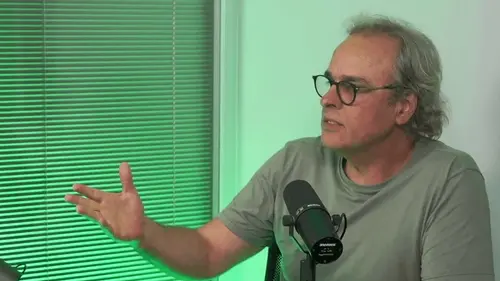
In an interview with Deusa Cast, the official podcast of the Sechat portal, filmmaker Beto Brant, director of the documentary A Planta, commented on the differences between the Brazilian and Uruguayan models of access to medical cannabis, focusing on the role played by patient associations.
According to him, although Uruguay has a pioneering regulatory framework, Brazil has built a more structured support network, driven by the organization of civil society and by directly addressing the therapeutic needs of patients.
Structured support and the role of associations
During the conversation with neurosurgeon Dr. Pedro Pierro, Brant highlighted that Brazilian associations, such as APEPI, have developed specific sectors focused on patient support, something that, according to his observation, does not occur with the same intensity in Uruguay.
These entities act as a link between patients and healthcare professionals, offering everything from the indication of prescribing doctors to continuous monitoring of clinical progress. In Brazil, the collective organization of patients and caregivers contributes to greater security in the supply of oils and to the continuity of treatment, especially in cases of serious pathologies.
The complexity of cannabis and the use of “full spectrum”
Another point addressed was the complexity of cannabis as a phytotherapeutic. Brant explained that, unlike single molecule medications, the plant presents agronomic variations that result in extracts with different compositions.
In this context, the technical support of associations and the doctor's knowledge about the type of oil used become fundamental.
The concept of full spectrum, which involves the integral use of plant compounds, was cited as relevant in managing symptoms, especially in situations where conventional treatments do not offer a satisfactory response.
Quality of life and impact on the family nucleus
The filmmaker also reflected on the difference between seeking a cure and seeking quality of life. He recalled the testimony of a Uruguayan patient who summed up her treatment expectations: “I don't want a cure, I just want to live better.”
According to Brant, this change in perspective is noticeable in families of children with refractory epilepsy. The significant reduction in seizures impacts not only the child's health but also the routine, dignity, and quality of life of the entire family nucleus involved in care.
The conversation also reinforced that the Brazilian model, despite still facing legal disputes, is supported by instruments such as habeas corpus and by the participation of cultivators integrated into associations. The articulation between technical knowledge, legal support, and medical demand has allowed the formation of a medical cannabis ecosystem in Brazil marked by organization and direct patient support.
Watch the Deusa Cast segment and check out Beto Brant's analysis of the different paths of medical cannabis in Brazil and worldwide: