Cannabis Law in Argentina, a Starting Point
"What began as a dream to give Argentina the possibility of having a national cannabis industry has become a reality," celebrates Pablo Fazio, President of the Argentine Chamber of Cannabis (Argecann)

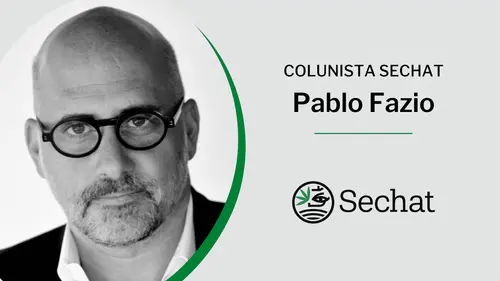
By Pablo Fazio
It was 9:38 PM on Thursday, May 5, 2022, from the balconies of the Chamber of Deputies of the Nation, we erupted in a shout, sank into a hug. Some of us shed tears. We were witnesses to a historic day. We were consummating a long-awaited achievement. We were intoxicated by the feeling of a task fulfilled and a goal achieved. The Law for the development of the medicinal cannabis industry and industrial hemp finally obtained its definitive sanction.
It was a long day preceded by the treatment of other projects, hours of waiting, tension, and a lot of nervousness. During the intense debate, harsh criticisms of the project that came with a partial sanction from the Senate of the Nation were heard. Any change would have sealed its fate and meant a new postponement. The activity on-site to gather the wills was very intense, and there were moments when it seemed that, against all odds, we could founder. Perhaps it was like a sign from destiny; it was not going to be a simple procedure to approve the long-awaited law. Probably also a warning about the times to come, as one thing is to think about an industry and another is to successfully launch it.
What began as a dream to give Argentina the possibility of having a national cannabis industry has become a reality. Today is a time to celebrate because the work done so far has been enormous. Also, to gather strength for what lies ahead because we all must know that this is just a starting point.
The next one hundred and eighty days will be crucial, as they will define the many details that still need to be specified and that the law expressly left in the hands of the Ministry of Productive Development of the Nation at the time of its regulation.
As we have been pointing out, in this industry, a multiplicity of actors converge, with perspectives and interests that are often not entirely coincident. Perhaps this is the territory where the greatest disputes are expressed. It will be essential for regulators, state actors, private companies, and representatives of the historical cannabis activism to work together to build a competitive and robust industry in which we give ourselves a framework that allows us to participate in a balanced way.
As a central issue, we need a strategic plan and for the regulatory agency that creates the law (ARICCAME) to provide transparency, security, and certainty about the eligibility criteria for granting licenses. We will have the duty to be zealous guardians here to ensure that the spirit of the law is respected, placing Small and Medium Enterprises (SMEs), entrepreneurs, and cooperatives as protagonists of the future cannabis ecosystem. We will promote and prioritize national production of inputs and derivatives, opening the agenda of innovation, investment, job creation, and economic impact on our regional economies that we all seek to capture in Argentina; always in respect of the environment and far from any attempt to generate an unwanted concentration of activity.
A great opportunity opens up for our country. The global legal cannabis market, according to a study published by Business Wire in February of this year, is estimated at a current value of $25.65 billion and is expected to reach $176 billion by 2030, with a compound annual growth rate of 23.9%.
The task we face is immeasurable. It will be essential to observe and learn from the trajectory of countries like Uruguay, Colombia, Canada, the United States, and all those nations of the world that precede us in the challenge of starting this industry, and identify the opportunities, successes, and obstacles they encountered, as the future is challenging and the scenario completely dynamic. The only possible strategy to succeed will be to move forward with skill, audacity, and flexibility.
The next step in this collective construction will be to delve into the debate on the regulation of responsible adult consumption. Some speeches heard during the treatment of this law made it clear that this process will not be devoid of counterpoints and legitimately opposing positions, but if we do it with intellectual honesty, information based on data, we call on ourselves to abandon prejudices, and we do it under the logic of empathy, respect for individual freedom, and tolerance, we will surely make it a reality.
The opinions expressed in this article are personal and do not necessarily correspond to the position of Sechat.
About the Author:
Pablo Fazio is an entrepreneur and SME businessman. He presides over the Argentine Chamber of Cannabis (Argencann), created with the aim of promoting the development and expansion of the cannabis industry in his country.