Colombia regulates medicinal use of cannabis flower and promises to expedite licenses for the sector
New decree expands domestic market and aims to promote production, processing, and exportation, according to the director of the National Narcotics Fund

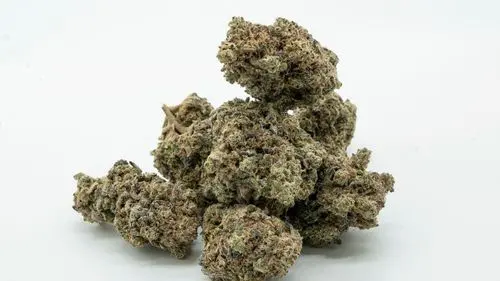
Colombia has taken a historic step in the development of its medicinal cannabis industry. The Decree 1138 of October 27, 2025, published this week, officially authorizes the use of dried cannabis flower as a medicinal product, something that was not allowed by the legislation before. In addition, the text establishes new rules to expedite licensing procedures and creates a transition period for sector compliance.
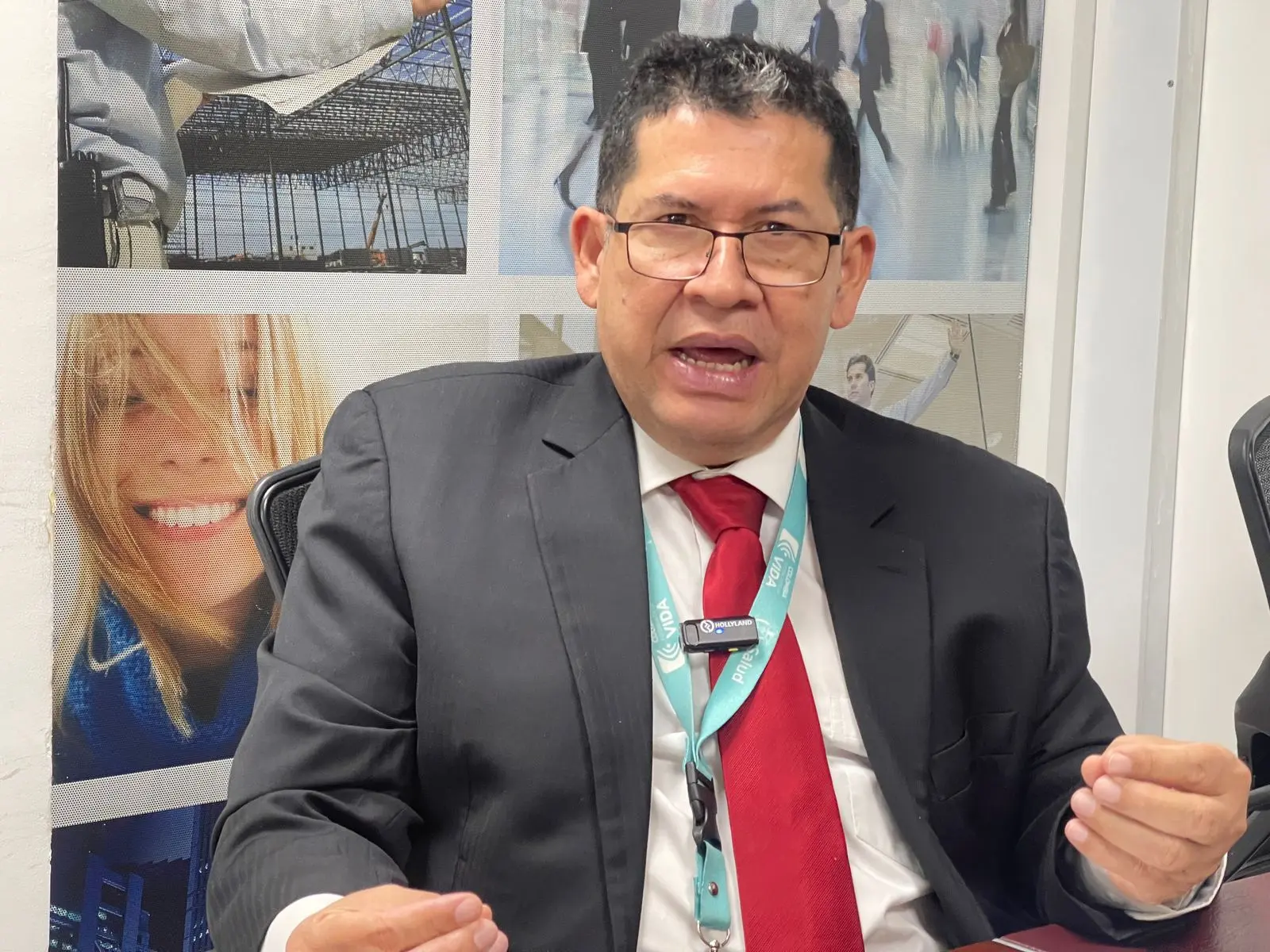
In an exclusive interview, the Director-General of the National Narcotics Fund (FNE), Milver Rojas, confirmed that the regulation is already in effect and represents a milestone for the sector.
"Yes, at this moment there is already a decree that was issued the day before yesterday, precisely, in which in Colombia cannabis can already be used and commercialized for medical treatment, always as a therapeutic alternative," he explained.
According to Rojas, the major advancement is the inclusion of cannabis flower and leaf in the list of products that can be used as medicine, opening up new possibilities for both patients and companies.
"Now it is cannabis, that is, its leaf, its dried flower, which will also be used as medicine, something that was not included before," he stated.
The decree also provides for more agile procedures for license issuance and updates. "There are some faster procedures for licensing issues, which were relatively slower," said Rojas, commenting that the change aims to balance opportunities between already established companies and new entrepreneurs.
"There are divergent positions from entrepreneurs who may say that they are benefiting new entrepreneurs a lot; however, the decree is clear in stating that old entrepreneurs who want to change their modality can do so without as much bureaucracy, and new ones will have an expedited process."
According to the FNE director, the spirit of the regulation is to encourage the production chain and expand the domestic market.
"I believe that the spirit of the regulation is really the promotion — the promotion of production, processing, exportation, and even the use of cannabis as medicine in Colombia, the flower as medicine — and that is what we are going to start working on."
The decree establishes a five-month deadline for the Ministries of Justice, Health, and Agriculture to detail the technical and regulatory requirements, along with a transition period of up to two years for the full implementation of the new rules.
"In principle, there are five months provided in the decree to define the terms, that is, to detail the requirements, and a prudent time of up to two years for the new ones to meet this regulation, which will be issued within these five months, and then enter the market."
During this period, companies already operating in the country will be able to continue their activities and expand their modes of operation.
"This does not mean that those already in the market cannot continue; on the contrary, the idea is for them to keep working and include other modalities if they wish," explained Rojas. "For example, if until now we were focused on exporting the flower and not on using it in the country, today they have the possibility to do so as well, without so much bureaucracy."