Culinary spice inspires new compounds that mimic CBD without the use of cannabis
Researchers at UNLV have developed synthetic compounds similar to CBD using caraway as a base, showing promising anticonvulsant effects without the use of cannabis

Published on 11/20/2025
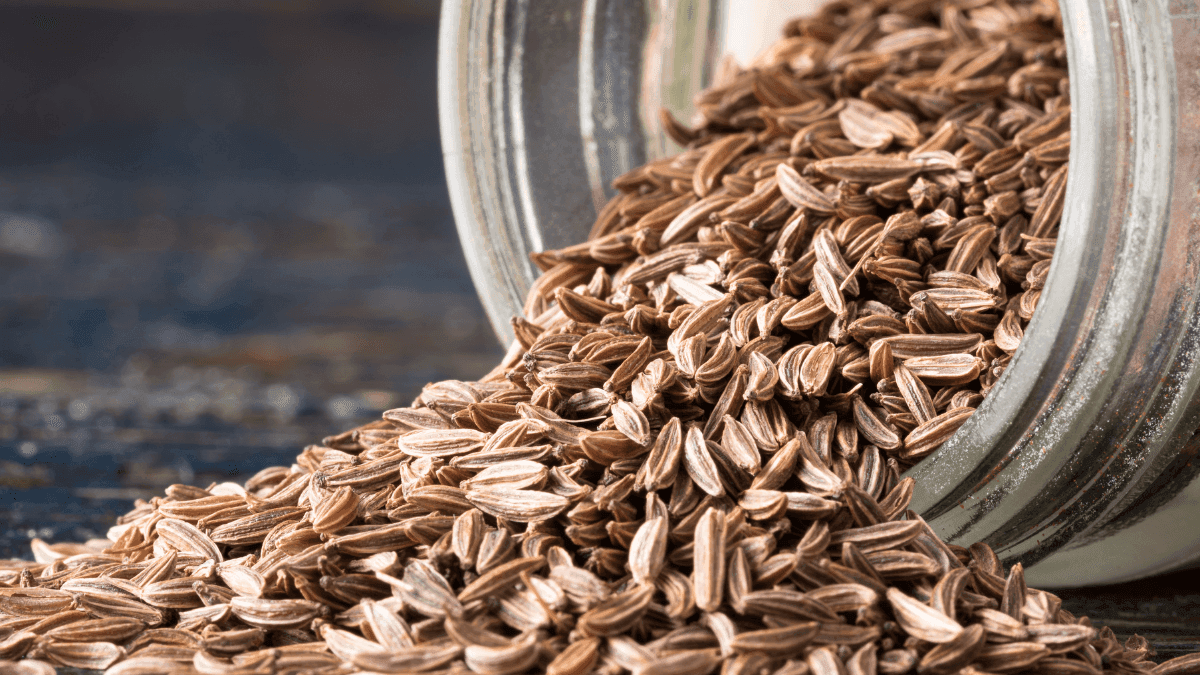
Caraway becomes the basis for anticonvulsant molecules that do not rely on cannabis | CanvaPro
Researchers at the University of Nevada, Las Vegas (UNLV) have developed a new class of CBD-like molecules using caraway, a common spice, as a structural base. The goal is to create effective treatments for seizures without relying on the cannabis plant.
In the study, scientists chemically modified carvone, the main component of caraway, and produced synthetic compounds that mimic the effects of cannabidiol. In tests with animal models, these molecules prevented seizures, reduced deaths associated with seizures, and promoted healthier brain development, all without causing sedation, a common side effect in traditional medications.
The researchers emphasize that caraway does not contain CBD; it only serves as a starting point for the engineering of these new molecules. Being synthetic and THC-free, these compounds may facilitate future regulatory approvals and expand access to anticonvulsant therapies.
According to Professor Dustin Hines, co-author of the study, the results are particularly promising for pediatric epilepsies, where the side effects of current treatments can impact cognitive development.
Despite the potential, the authors stress that further advancement to clinical studies in humans is still needed before any treatment reaches the market.