Cultivating is Listening: the Power of Living Soil in Sustainable Cannabis
Living soil rescues the link between science and nature, showing that cannabis cultivation can be a gesture of reconnection with the life that springs from the earth

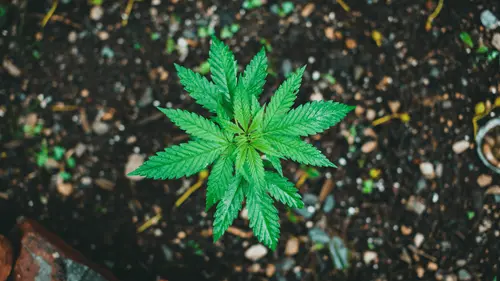
There is something profoundly poetic about the idea of soil that is alive. In times of accelerated production and crops controlled by machines, the thought that cannabis can grow from soil that breathes, pulsating with microorganisms, roots, and natural cycles, is almost a return to the essential.
According to NewsWeed, this is the basis of the concept of 'living soil,' an agricultural practice that transforms plant cultivation into a dialogue with the planet itself.
The invisible power beneath our feet
Living soil is much more than a physical medium: it is a moving ecosystem, where fungi, bacteria, and organic matter intertwine to create a fertile and balanced environment.
In cannabis cultivation, this philosophy breaks with traditional methods, those in which the plant is 'fed' artificially, and proposes a new perspective: nurturing the soil so that it takes care of the plant.
This shift in perspective brings evident benefits. Plants grown in living soil tend to be more resistant, with strengthened immune systems and richer aromatic and therapeutic profiles. 'By understanding and respecting soil microbiology, the grower becomes part of a living network,' the publication emphasizes.
Regenerating to Harvest the Future
Peoples from the Rif mountains in Morocco and the Hindu Kush region have been cultivating cannabis based on this balance for centuries. The difference is that now science confirms what ancestral instinct already knew: healthy soil is the heart of any sustainable cultivation.
This silent revolution is called regenerative agriculture, and it proposes a path where technology allies with nature, without suffocating it. By dispensing with synthetic fertilizers and opting for natural compounds, worms, algae, and rock powders, producers reduce environmental impact and save up to 40% of water, according to the article.
But living soil also teaches about time: it requires patience, observation, and respect. It is necessary to feel the soil, monitor its moisture, understand its microorganisms, and allow nature to lead the process.
With information from NewsWeed.