Discover the Brazilian alternative to CBD without psychoactive effects
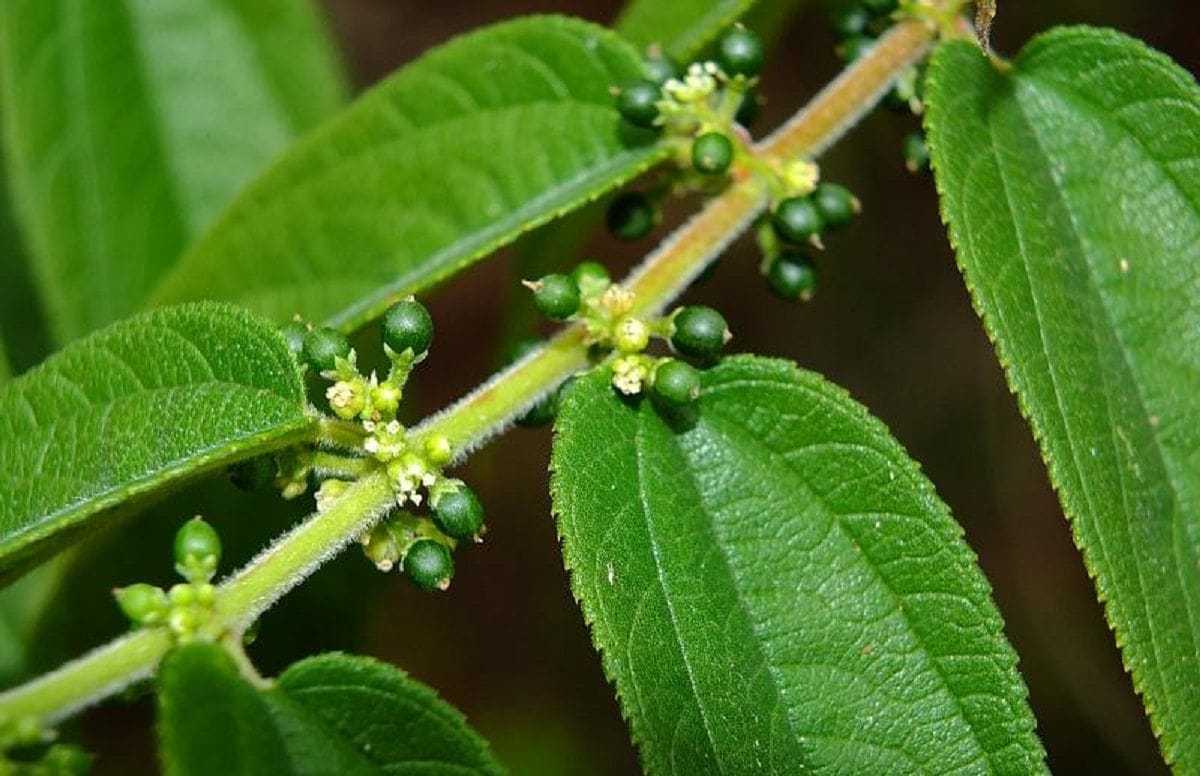
Discovered by researchers at UFRJ, the native plant Trema Micrantha Blume produces cannabidiol (CBD) but does not contain, among its compounds, tetrahydrocannabinol (THC), the active ingredient found in cannabis

Published on 06/13/2023
By editorial team Sechat
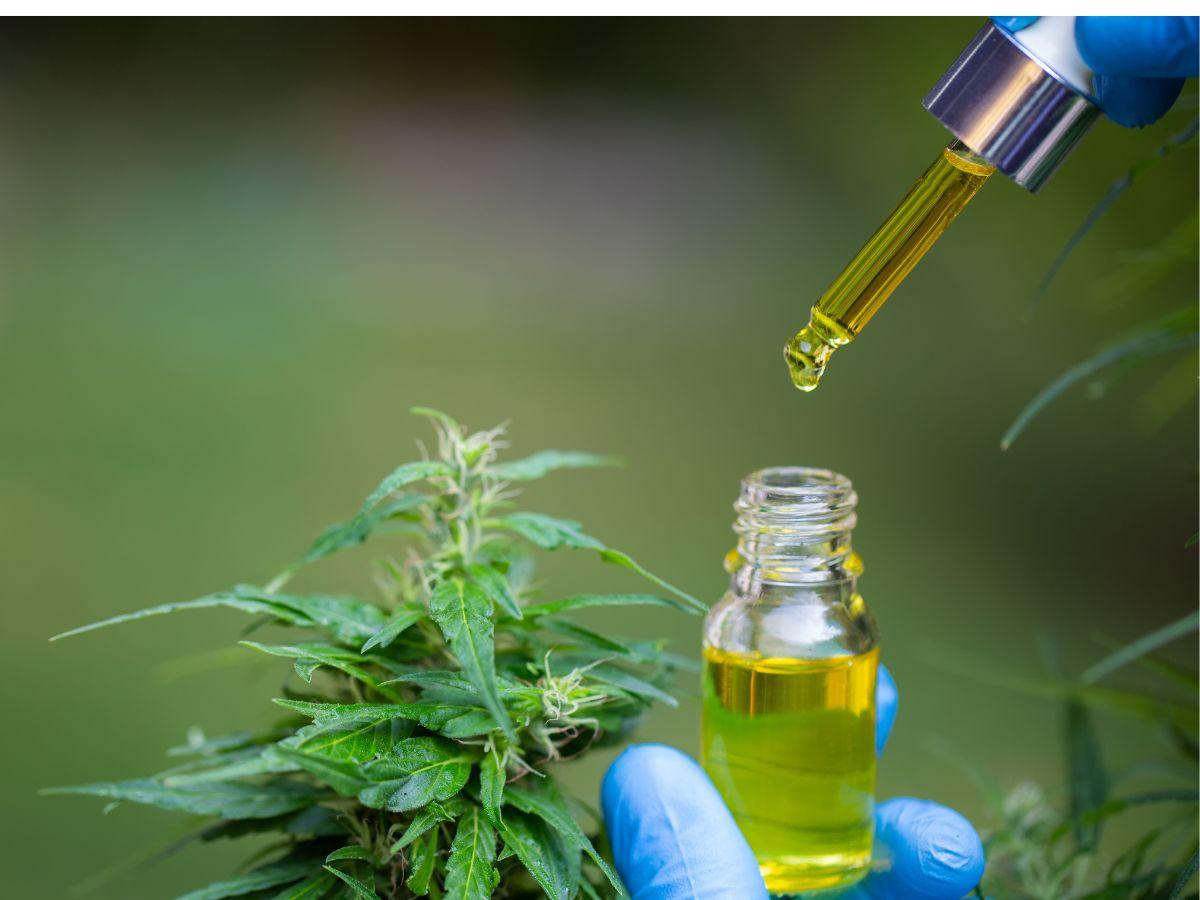
The use of cannabidiol (CBD) for medicinal purposes may be expanded in Brazil thanks to the discovery of the compound in Trema Micrantha Blume, a native Brazilian species. Unlike Cannabis sativa, which contains tetrahydrocannabinol (THC) and has psychoactive effects, Trema Micrantha Blume does not have this compound and can therefore be cultivated without legal restrictions.
This means it could be a more accessible and economical source for obtaining cannabidiol, given that the National Health Surveillance Agency (Anvisa) imposes a restriction of 0.2% THC in the formula of marketed CBD.
The research, coordinated by Rodrigo Soares Moura Neto from the Institute of Biology (IB) at the Federal University of Rio de Janeiro (UFRJ), is mapping effective methods for analyzing and extracting cannabidiol from the plant and received funding of R$ 500,000 from the Carlos Chagas Filho Foundation for Research Support of Rio de Janeiro (Faperj).
The in vitro analysis will be conducted in six months to determine if the plant's component is equally effective as the cannabidiol extracted from Cannabis Sativa. Thus, Trema Micrantha Blume could significantly contribute to expanding the use of CBD in patients who need this treatment.
Natural medicine from A to Z

For psychiatrist and cannabinoid therapy prescriber Dr. Wilson Lessa: “The difficulty of researching cannabis and its compounds hinders the perception of cannabinoid substances in other plants. As new studies emerge daily about the therapeutic potentials of these compounds and public opinion becomes familiar with their effects on people's quality of life, progress is inevitable. We are only observing the tip of the iceberg of a submerged mountain range.”
Recently, Israeli scientists also discovered the existence of chemical compounds (cannabinoids) similar to those of cannabis, commonly known as marijuana, in a plant used in religious rituals in South Africa.
A relative of sunflowers, daisies, and lettuces, Helichrysum Umbraculigerum produces cannabigerol (CBG) and five other substances. The discovery, according to scientists, reinforces the therapeutic potential of the plant.
According to researchers, however, there is a significant difference between Helichrysum Umbraculigerum and cannabis. In the South African plant, the chemical compounds are spread throughout the leaves, while those in cannabis are concentrated in the flowers.
“Cannabis is a treasure chest of pharmacological riches,” said Raphael Mechoulam, the scientist responsible for isolating the compounds of marijuana in the 1960s.
“Phytocannabinoids are jewels that can be found here and there in nature. In cannabis, they are present in variety and quantity in this treasure chest. Currently, at least two hundred phytocannabinoids have been found in the plant,” emphasizes Lessa, who concludes:
“Why mine isolated jewels when we know where the treasure chest is?”