Five U.S. States Change Laws on Cannabis and Hemp at the Beginning of 2026
New regulations came into effect on January 1 focusing on taxes and enforcement

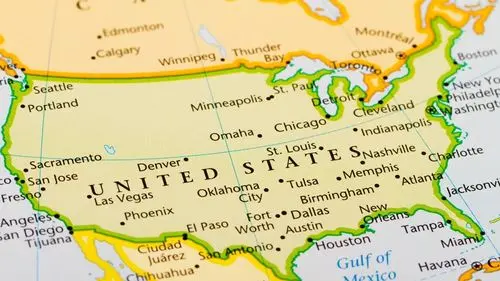
As of January 1, 2026, new regulations on cannabis and hemp came into effect in five North American states. The legislative changes directly impact the operation of the market in Alabama, California, Washington, Kentucky, and Michigan.
While the rules reflect specific local agendas, the common goal is to regulate the derivatives market. With potency limits, strict licensing, and tax adjustments, the states aim to protect consumers and ensure traceability in the cannabis supply chain.
Strict Rules for Cannabis in Alabama
In Alabama, the new legislation requires specific licenses, batch analysis certificates, and child-resistant packaging. The law also sets clear THC limits per serving and per package for cannabis-derived products.
Additionally, the state has severely restricted marketing, prohibiting online sales, deliveries, dropshipping, and vending machines. The regulatory landscape becomes more complex with the imposition of a 10% tax on retail sales.
California Tightens Enforcement on Cannabis
California has taken a distinct approach, restricting the use of extracts to those that do not contain detectable THC or synthetic cannabinoids. In practice, the measure reduces the availability of products in circulation.
The goal is to strengthen the state's enforcement and regulatory power. Authorities seek to control a scenario where legalized cannabis coexists with derivatives that often circulate outside official dispensaries.
Retail Transparency for Cannabis in Washington
In Washington, the focus is on the corporate structure of retail trade, aiming to dismantle mechanisms of indirect control in stores without transparent ownership. The Liquor and Cannabis Board will be responsible for reviewing these agreements and penalizing violations.
Simultaneously, new advertising rules have been set, allowing up to four outdoor signs per establishment. The norm aims to regulate the visibility of cannabis stores without allowing aggressive advertising in urban spaces.
Kentucky and Michigan Adjust Cannabis Market
Kentucky has decided to equate THC-containing beverages with alcoholic beverages. The new rules establish a maximum of 5 milligrams of THC per container and limit sales to licensed merchants, prohibiting the offering of these cannabis products at festivals.
Meanwhile, Michigan has expanded fiscal regulations with the arrival of 2026. The highlight is the implementation of a special 24% tax on wholesale cannabis transfers, administered by the Department of the Treasury.
With information from Cáñhamo