Hemp Clothing: A Little-Known Alternative for Sustainable and Conscious Consumption
Industrial hemp can serve various purposes, such as in the textile industry

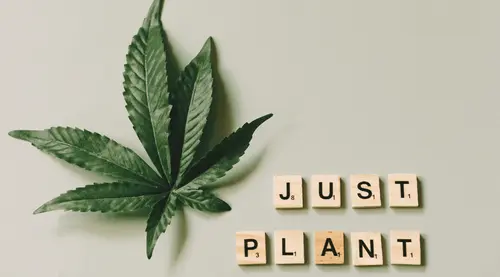
By specialist Rafael R. Pereira
The end of the year has arrived, and you must be thinking about that look you want to wear for New Year's, right? But how about taking this moment to reflect on how to adopt more conscious consumption habits, more durable clothing, and incredible quality? To do this, you just need to add pieces made from fabric produced from cannabis seeds to your wardrobe. Why not?
The discussion about cannabis can go far beyond legalization, medicinal or therapeutic use, and should not be limited to the taboos surrounding the subject in Brazil. In this report, we bring you some interesting facts about hemp, a raw material that is revolutionizing and energizing the fashion industry.
So, what is hemp?
It is a variety of cannabis sativa, which is in the same family as marijuana and has a low concentration of tetrahydrocannabinol (THC), the main psychoactive agent in cannabis. Consumption does not produce a hallucinogenic effect, as it has a concentration of less than 0.3% THC. Despite this, the plant, along with cannabis sativa, is prohibited in our country.
Industrial hemp can serve various purposes, such as in the textile industry. It is extremely strong and durable, as well as resistant to UV rays. Its texture, which resembles linen, can be blended with various fibers, such as cotton, wool, polyester, among others. The resulting fabric is used to make shirts, jeans, and accessories, etc.
Is hemp the same as marijuana?
No. Although they are of the same species - Cannabis sativa - what differentiates hemp from marijuana is the chemical profile of each plant. To be classified as hemp, the plant must have less than 0.3% THC, the main psychoactive compound of the plant, by weight. If the THC level is above this threshold, the plant is considered marijuana.
And what are its benefits?
Hemp has one of the most sustainable manufacturing processes in the world. Its production technique uses little water and virtually no pesticides. Additionally, another important factor is that no chemical processing is needed to turn the fibers into fabric, meaning it degrades the environment much less.
Its benefits are present both in its cultivation and in the final product. To give you an idea, hemp planting produces more fibers per hectare than cotton, the main raw material used in clothing manufacturing in the country.
In addition to being more productive, hemp crops also do not require the use of pesticides due to their high natural resistance to pests. That's not all; there are many advantages, such as a cultivation process that requires less water than cotton and linen, and the plant grows well in warm climates, like Brazil's.
The spinning and weaving process also consumes less energy, and the finished fabric is more resistant and durable than other natural fabrics,
Based on these aspects, we can consider it more sustainable than many raw materials currently used in clothing production. Clothes made from hemp also provide comfort and well-being for the wearer, as their fibers absorb moisture and dry faster, in addition to being washable multiple times without affecting the product's quality. Interestingly, the fabric is about four times stronger than cotton and hardly wrinkles.
There are famous brands that produce hemp-based clothing,
did you know? Some major brands have already adopted the fiber. Since 2013, the American brand Levi's has been incorporating the raw material into some of its pieces and collections. In Brazil, it is possible to find clothing from some Brazilian brands that use hemp to produce their clothing and cosmetics, such as Greenco, Ginger, Levi's, Reserva, and Adidas.
Ginger, a brand by actress Marina Ruy Barbosa, launched its first official collection made from the plant from the cannabis family. Ginger had 24 pieces, including t-shirts, bodysuits, and tank tops with hemp-based fibers that, according to the brand, help shape the pieces. According to the company, the references come from contemporary art while also adding a retro touch, with a slight nod to the 1980s.
Reserva and Osklen are also two other Brazilian stores that have included clothing made from this fabric in their catalogs. Meanwhile, Weedog, a company from Minas Gerais, is a brand that has incorporated hemp into pet fashion as well.
International brands like Woolrich, Cannabeings Designs, and Hemp Authority also specialize in making hemp clothing, along with major brands like Quicksilver and Patagonia that have begun to enjoy the benefits of hemp as a fabric. Artists who wear these clothes.
Various celebrities around the world are betting on the cannabis sector, which is expected to generate about $34 billion by 2025, including Mike Tyson, Drake, Miley Cyrus, and Snoop Dogg.
In the fashion sector, actress Marina Ruy Barbosa and entrepreneur Vanessa Ribeiro launched the clothing brand Ginger at the end of 2020, which uses hemp fiber in its composition.
Some data about this market Currently, more than 50 countries allow the cultivation of the plant, which is 100% usable and has over 25,000 potential uses in industry. Unfortunately, in Brazil, there is no regulation, and production remains prohibited.
Despite the lack of a law regulating it, the cannabis market is growing exponentially in Brazil. In this perspective, Kaya Mind, the first Brazilian company specialized in data and market intelligence in the cannabis segment, hemp, and its derivatives, made an estimate indicating that the sector could reach R$917.2 million in 2024.
The company points out that, by the end of 2022, the cannabis market could
generate R$ 363.9 million. This represents a growth of 9734% compared to 2018, which had an estimated revenue of R$ 3.7 million. Additionally, the market is expected to reach R$ 655.1 million in 2023.
The cited data is part of the "Cannabis Yearbook in Brazil", launched on November 16, featuring unprecedented material on cannabis regulation in the country and its market implications. With over 15 sponsors and major supporters from the institutional and media sectors, it is the only complete yearbook with data on the cannabis market in Brazil.