Study in the US confirms: Hemp-fed cow milk does not contain THC
Researchers indicate that human consumption is safe after a period of abstinence; previous German study had shown different results

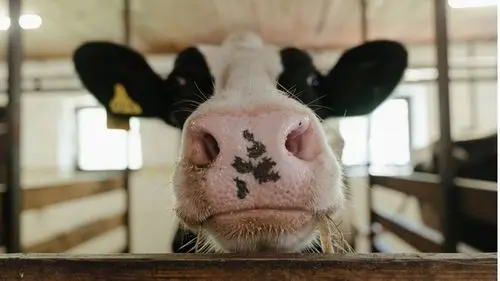
Hemp-fed cow milk does not contain tetrahydrocannabinol (THC), according to a study published in the Journal of Agricultural and Food Chemistry. American researchers observed that, although cannabinoid compounds are absorbed and accumulated in the bovine body, they gradually disappear after the cessation of biomass consumption.
According to the study, no THC residue was detected in the milk between 12 and 15 days after the diet interruption, eliminating any risk for human consumption. In adipose tissue, THC was found up to 30 days later, but with no direct implications for milking.
The authors also assessed risks for consumers of cow milk fed with hemp biomass. The results indicate that, without a withdrawal period, THC levels could exceed the acute reference dose of 1 µg/kg of body weight. However, after two weeks without the biomass, this risk disappears.
“This study represents an important step in generating the necessary evidence to authorize the use of hemp biomass as a supplement for cattle,” explained Massimo Bionaz, associate professor in the Department of Animal and Rangeland Sciences at Oregon State University and lead author of the research, to Portal Cáñhamo.
According to the study, less than 1% of the ingested cannabinoids were transferred to the milk. The experiment involved 18 Jersey cows, with nine receiving a diet containing 13% hemp biomass for 28 days, while the control group was fed only alfalfa. Afterwards, all cows underwent four weeks of abstinence with a standard diet.
Results contrast with German research
In 2023, the Food Chain Safety Department of the German Federal Institute for Risk Assessment published another study on the subject. The study analyzed 10 lactating dairy cows fed a special hemp-based diet.
Differently from the American study, the German scientists detected THC, CBD, and other cannabinoids in the milk at the end of the test with the whole plant and also during the flower feeding period. After eight days, the substances were still present in the milk, at levels that, according to the researchers, could have an effect on human health.