Hemp in the off-season: plant potential as a cover crop
Agronomic, environmental, and economic benefits make hemp a promising alternative in sustainable management

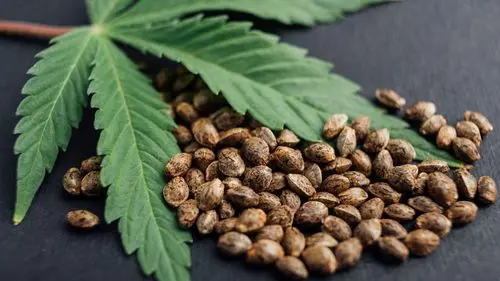
The use of hemp, a variety of cannabis with low THC content, as a cover crop is increasing in sustainable agriculture. Cultivated between productive cycles, it helps conserve soil, reduce climate impacts, and increase biodiversity, while also generating economic value through fibers and grains.

“Hemp has dual aptitude,” explains agronomist engineer, researcher, and PhD student at the Federal University of Viçosa (UFV), Robert Gandra. “In addition to serving as a cover crop, it is a commodity. You can extract fiber and still leave a residue with a good supply of organic matter, protecting the soil.”
According to Gandra, the benefits include the formation of mulch for no-till planting, improved water infiltration and retention, breaking pest and disease cycles, and reducing soil temperature.
“Rapid growth and dense planting quickly cover the canopy, making it difficult for light to reach weed plants and reducing the need for herbicides,” he adds.
More fertile soil and natural biological control
Like other cover crops, hemp protects the soil against heavy rains and winds, preventing erosion and nutrient loss. Its residues provide organic matter that improves fertility and water retention.
Cultivation also helps control pests naturally. “An example is the stink bug. Since it does not find hemp as a host, its population decreases, reducing the risk for the next harvest,” says Gandra.
A European study, conducted over three years, showed that hemp residues increase soil carbon when incorporated in early spring. Slower decomposition protects the soil for longer and favors carbon sequestration, although nitrogen release is more gradual.
Agronomic advantages of hemp
Among the plant's attributes are high seed production, allowing for coverage of large areas, and resilience in moderate water stress conditions.
The stem, rich in lignin and hemicellulose, decomposes slowly, keeping the mulch on the soil for longer — a similar effect to corn. “Hemp quickly closes the area, restricting light entry for competing plants and reducing the need for herbicides,” explains Gandra.
Sustainability and carbon sequestration
The environmental benefits are also significant. In terms of biomass, hemp can surpass traditional crops.
“While corn produces 10 to 12 tons of dry matter per hectare, hemp can reach 25. About 40% of this volume remains in the field as residue, representing a significant carbon input,” compares Gandra.
Furthermore, some of the carbon remains sequestered in products derived from the plant, such as paper, fabrics, ropes, and even concrete, delaying its return to the atmosphere.
International experiences and future potential
Hemp has already been tested as a cover crop in countries like the United States and New Zealand. In Pennsylvania, it showed potential to improve soil and generate extra income from fibers. In New Zealand, research evaluates cultivation between orchards, occupying the rows without competing with the main crop.
For Gandra, these experiences reinforce the promising future of hemp: “It can be used both in the off-season and in crop rotations or intercropping. It combines productive, environmental, and economic benefits.”
Experiments from the Rodale Institute in the USA highlight the plant's rapid growth, which can reach up to 3.6 meters in 85 days, covering the soil and reducing weeds. Technicians also emphasize the importance of the root system in soil structure, essential for agricultural planning.