How Can Medicinal Cannabis Use Help Reduce Opioid Dependence?
Research followed 204 adults with chronic pain and revealed that adherence to the medicinal cannabis program is associated with a significant reduction in opioid use over 18 months.

Published on 12/13/2025
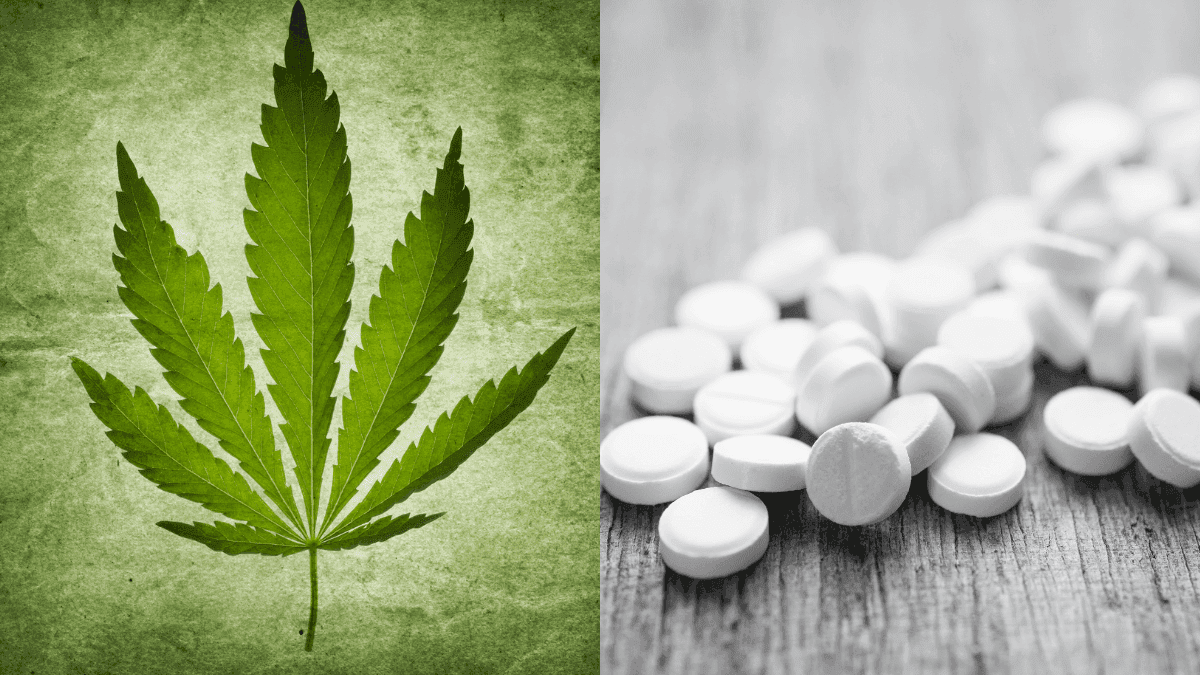
What a New Study Reveals About Medicinal Cannabis | CanvaPro
A study published in JAMA Internal Medicine examined how participation in New York State's medicinal cannabis program influences opioid consumption among adults with chronic pain.
The research followed 204 patients who were using opioids and received certification to access medicinal cannabis products between 2018 and 2023.
Over 18 months, researchers monitored monthly cannabis dispensing and the volume of prescribed opioids, measured in daily morphine equivalents (MME).
Reduction in Opioid Use
The results show a consistent decline in the use of these medications. The initial average was 73.3 MME/day, dropping to 57.4 MME/day by the end of the follow-up. The study identified that the months in which participants obtained a 30-day supply of medicinal cannabis were associated with a reduction of 3.53 MME per day, indicating that regulated access to cannabis may help decrease the need for opioids in managing chronic pain.
Impact for Patients and Limitations of the Research
For many patients, this reduction represents not only relief from pain but also lower exposure to the risks of opioids, such as dependence, adverse effects, and increasing tolerance. Although the study points to a relevant association, the authors emphasize that it is an observational analysis, meaning more studies are still needed.
Nonetheless, the results reinforce the potential role of medicinal cannabis as an ally in chronic pain management, especially in contexts facing crises related to excessive opioid use.
With information from Marijuana Moment.