Indica, Sativa, and Hybrid: The Main Differences Between Cannabis Varieties
Understand the unique characteristics of each type of plant, their origins, and their effects on the body

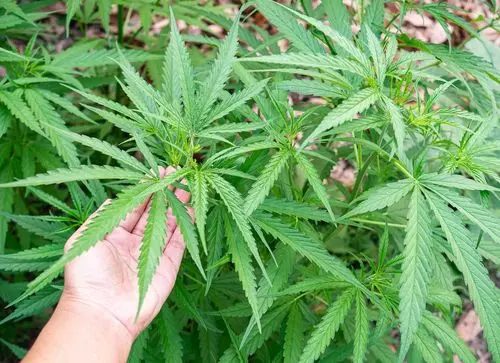
Cannabis is a plant with a long history of medicinal and recreational use, dating back thousands of years. Evidence suggests that it was first cultivated in Central Asia, especially in regions that are now Kazakhstan and Pakistan. Initially used for fibers and food, the plant was also valued for its medicinal and spiritual properties, gradually spreading to other parts of the world, including the Middle East, Africa, and eventually the Americas.
Currently, cannabis is classified into three main varieties: Indica, Sativa, and Hybrid, each with distinct characteristics and effects.
Indica
Indica Cannabis originates from the mountainous regions of Pakistan, Afghanistan, and India. This variety is known for its compact growth, with broad and thick leaves. The Indica plant usually has a shorter flowering cycle, making it popular among growers in colder climates.
In terms of effects, Indica is often associated with a deep state of relaxation, making it ideal for nighttime use or for relieving pain, insomnia, and anxiety. Its sedative effects are attributed to the terpene profile and high concentration of CBD (cannabidiol), compared to THC (tetrahydrocannabinol).
Sativa
Sativa Cannabis is native to equatorial regions, such as Central America, Southeast Asia, and parts of Africa. This variety is distinguished by its tall stature, with thin and long leaves, and a longer flowering cycle. Due to its tall growth, Sativa is more suitable for warm climates, where it can reach its full potential.
The effects of Sativa are energizing and stimulating, making it ideal for daytime use. Users report an increase in creativity, focus, and euphoria. These effects are the result of higher levels of THC and a terpene profile that favors a more intense cerebral experience.
Hybrid
Hybrid plants are the result of crossing Indica and Sativa varieties. This type of cannabis was developed to combine the best characteristics of both plants, allowing for a wider range of effects and medicinal applications. Hybrids can be predominantly Indica or Sativa, depending on the predominant genetic lineage.
For example, a hybrid with Sativa dominance can provide the energizing benefits of Sativa with a hint of Indica relaxation, making it versatile for different occasions. On the other hand, a hybrid with Indica dominance may be more relaxing, but without inducing the same level of sedation as a pure Indica.
Understanding the differences between Indica, Sativa, and Hybrid is crucial for selecting the cannabis variety that best suits your needs, whether for medicinal or recreational purposes.