Indoor Cultivation: the possibility of creating ideal conditions for cannabis growth
Indoor cultivation has become popular not only to overcome unfavorable climates, but also as a solution to maintain production in places where cannabis faces legal restrictions

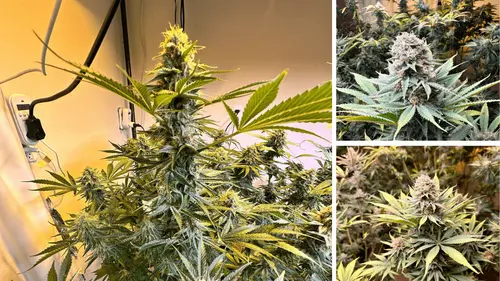
Indoor cultivation, also known as domestic cultivation, consists of growing cannabis in enclosed environments, using artificial lights and temperature control to create the ideal growth conditions. This practice has been gaining prominence among growers due to various factors, such as better control of climate, humidity, and other factors.
According to entrepreneur and founder of Cultiva Growshop, Lucas Schmidt, indoor cultivation has become popular not only to overcome unfavorable climates, but also as a solution to maintain production in places where cannabis faces legal restrictions.
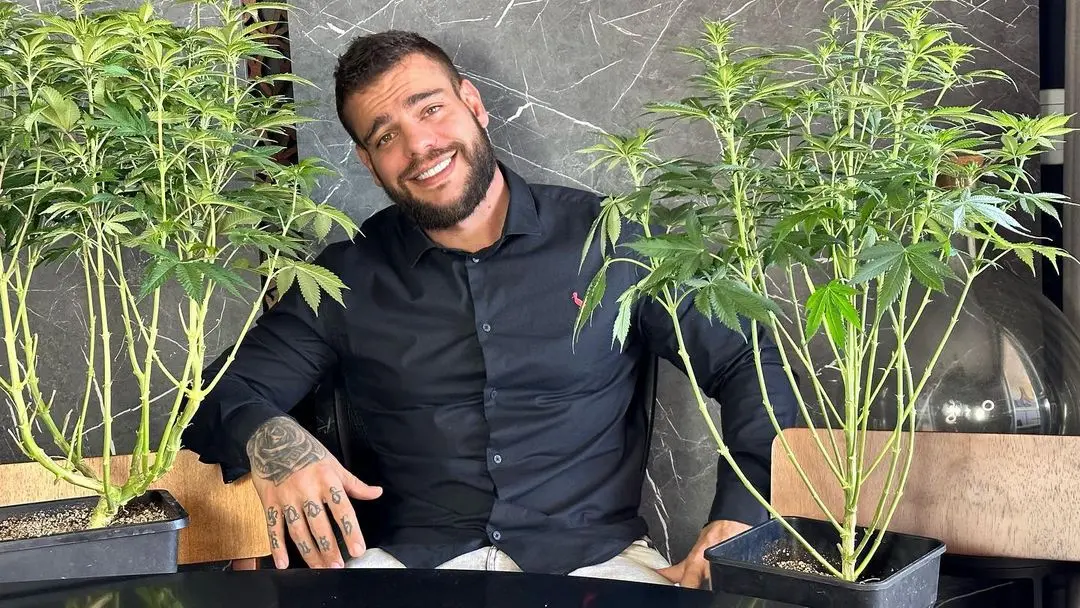
Advantages of indoor cultivation
In the controlled environment, the plant can grow rapidly, benefiting from techniques such as apical pruning and "lollipopping," which remove lower branches and promote more uniform development, maximizing yield even in limited spaces.
Additionally, the grower can adjust temperature, humidity, ventilation, and lighting, preventing factors that enhance plant development. The enclosed environment minimizes exposure to common outdoor cultivation practices, increasing the quality and safety of production.
The combination of a stable environment and management techniques allows for year-round harvests and higher crop yields.
Technical and environmental parameters
Bruno Rezer, cultivation coordinator at the Medicinal Cannabis Association (ASCAMED), explains that the ideal temperature ranges between 23°C and 34°C, and humidity must be closely monitored. According to Rezer, high humidity levels favor fungi, while low levels can compromise development.
Furthermore, the choice of substrate and proper nutrition are crucial. The substrate can vary between living soil, organic, inert, or hydroponic systems, and it is essential to maintain the pH of water and soil.
During the vegetative phase, plants require more nitrogen, phosphorus, and calcium, while in the flowering phase, there is a greater need for phosphorus, potassium, magnesium, calcium, and boron. "Mineral supplementation, when done according to correct schedules and dosages, enhances plant growth and health," says Rezer.
Challenges and preventive measures
Despite the advantages, indoor cultivation faces challenges, such as a lack of natural resistance to pests, which can make attacks easier. Organic pesticides, such as Bordeaux mixture, neem oil, and biological products like Trichoderma harzianum, combined with constant monitoring of plant health, are essential to control pests.
Signs of stress, such as changes in leaf and stem coloration, are also indicators of problems. However, if identified early, the grower can act quickly by making adjustments. “Each stress has a different response,” says Bruno, emphasizing the importance of preventive management to avoid major issues.
Cost-benefit
Although outdoor cultivation benefits from free sunlight, it is more susceptible to climatic variations. Indoor cultivation, on the other hand, requires a higher initial investment but ensures greater environmental control, allowing for year-round harvests.
For example, a 60x60x160 cm grow tent with LED quantum board can cost around R$1,500, with energy costs ranging between R$45 and R$55 per month, as explained by Lucas.
More sophisticated structures require a higher initial investment and may incur higher energy costs. However, in the long run, the investment pays off, resulting in savings of up to R$1,000 monthly.
To achieve maximum agronomic potential, it is necessary to create an environment that simulates the plant's ideal natural conditions. As Bruno Rezer aptly puts it: “It's like offering someone a comfortable bed, good food, and adequate rest – it makes all the difference in productivity.”