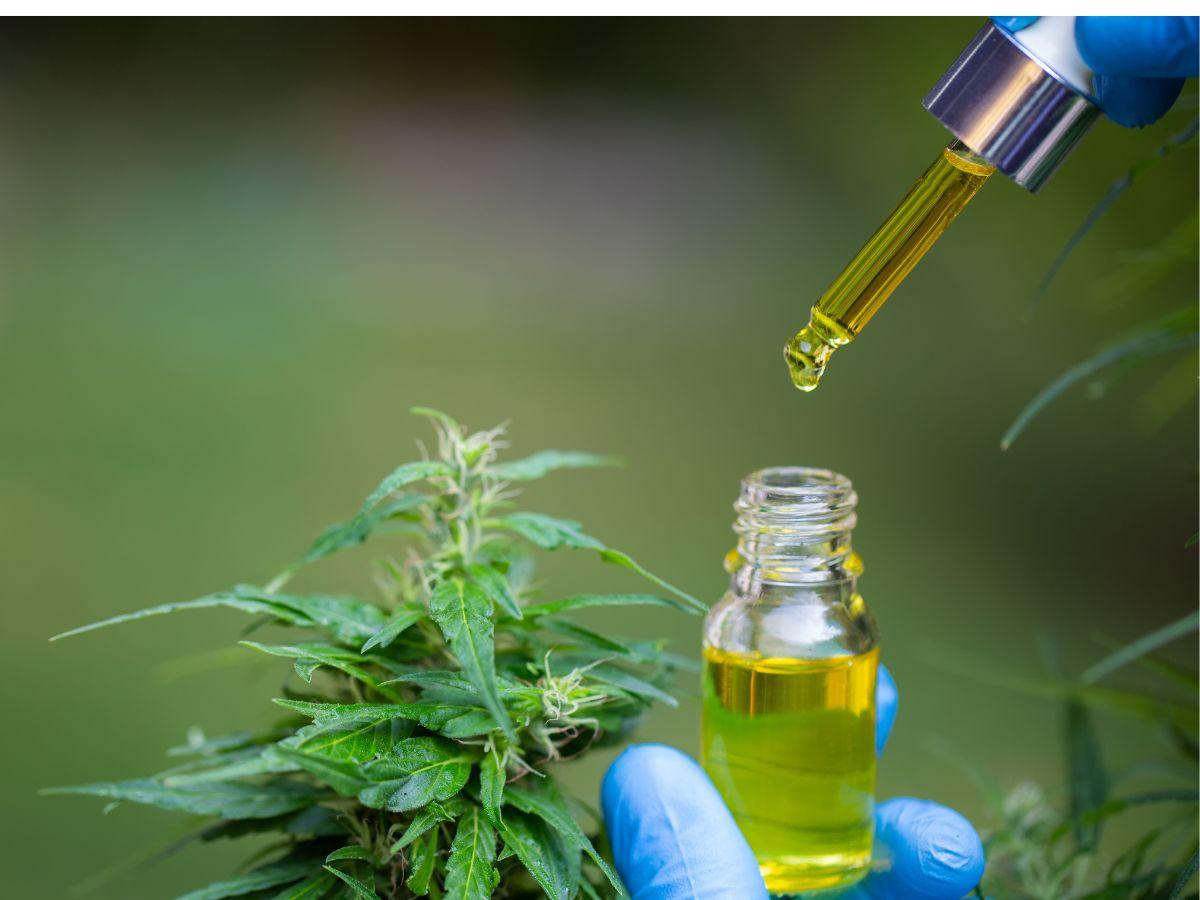
Infusion and Seasoning with Cannabis Attract Chefs and Enthusiasts
Use of the herb in sauces, purees, and beverages, prohibited in the country, is already known - and sought after - abroad

Published on 11/06/2021
Curation and editing by Sechat, with information from Estadão
By Anita Krepp
The cannabis is gradually gaining more space in the kitchens of chefs worldwide, transforming the gastronomic experience of those who until then only had the reference of the famous 'space cakes' and also of those who had no reference at all to the use of the plant in cooking.
Perhaps the fact that the taste of the herb, which is not very attractive, combines better in recipes with a lot of sugar, has elevated the brownie to fame, but it is far from representing the many possibilities offered by the addition of cannabis to dishes and cocktails. 'We mainly use it in sauces and purees, so we can easily exclude it from the dish of someone in the group who does not want to consume cannabis in the meal,' says Chrys Sayegh, one of the most recognized chefs in the field in the USA.
Alongside his right-hand man, Jared Ventura, Sayegh has a busy schedule with dinners that cost R$ 750 per diner in the project The Herbal Chef. Offering a high-level culinary experience with a touch of cannabis, instead of it being all about the herb, he ensures that the taste of the delicacy is hardly felt, but only the therapeutic and recreational effects that are calm and controlled when provided in the right amount.
>>> Join the Sechat WhatsApp group and be the first to receive news

'People are used to consuming cannabis edibles and after 45 minutes having a quick and intense high, which can be uncomfortable for some of them. But in a full dinner, this happens gradually, smoothly and comfortably,' he says, leading a niche that is beginning to be explored by chefs and cooks sympathetic to the substance or enchanted by the possibility of making at least R$ 500 per person in a single dinner.
Pioneers in the prohibitions and, more recently, in the legalization of the herb worldwide, the USA were also the first to host restaurants with cannabis-infused food. As soon as sales of edibles with cannabinoids were allowed in the States, some chefs hurried to open cafes and small restaurants with this focus. However, the lifespan of most of these ventures was less than two years. Counting on regulations defined only for packaged edibles, and therefore easier to monitor, the American states are dragging their feet on regulating restaurants and bistros due to the difficulty of monitoring and ensuring that the psychedelia in such places is only 'in moderation'.
Cannabis in the Kitchen
Currently, there are few restaurants in the world that dare to use cannabis compounds in their dishes. One of them is Blowfish, located in Cape Town, South Africa, with only one sushi dish with CBD olive oil on the menu. 'Many people still do not understand the difference between CBD and THC, we are often asked if they will get 'high' with the sushi. So we say it's just CBD and that they will love it,' laughs the manager of the place, Marc Sheidel.
Passionate about testing and tasting recipes, chefs from countries where the herb is already legalized find a way to stay active in the gastronomy underground, in so-called 'clandestine restaurants,' where the cook prepares the meal for a limited number of people, in their own space or at the clients' homes. This is how the culinary group Pop Cultivate works.
Leading a team of seven chefs, Chris Yang chose the name Pop not by chance. He is a familiar face in California, where he serves true banquets with cannabis infusion for hundreds of clients. In addition to TV, with appearances on shows like High Cuisine on Amazon Prime, and Cooked With Cannabis on Netflix.
Yang left his job as a chemist at Pfizer when he realized he could promote health through food instead of medications. From his time as a chemist, he inherited a trained eye for dosing exact amounts of terpenes and cannabinoids with which he prepares balanced and tasty dishes, like his favorite Red Thai Curry Mussel Gnocchi.
>>> Join the Sechat Telegram group and be the first to receive news

The menu adapts to the preferences of the clients, with more or fewer dishes containing the star ingredient, which may or may not be included in drinks, desserts, and appetizers. 'The present taste of cannabis works best in dishes with a pungent flavor. But it can be harmonized with various ingredients - coffee, chocolate, red meat, bell pepper, and shrimp,' explains Yang.
There is a trend for cannabis dinners to incorporate well-being experiences, such as retreats and other demonstrations of hospitality. A line that Brazilian Pablo Nascimento has already adopted at Higher Purpose, which he created with his partner, Alessandra Sorrentino, in Massachusetts. In the retreats they promote, having cannabis as an ingredient is just a detail. They offer yoga classes, functional cooking, sound healing, and so on...
In Latin America, things are different. Cannabis dinners are just beginning, the market is small, and the only country where the practice is reasonably naturalized is Uruguay. It was there that Marcela Ikeda set up Larica, which offers Japanese food with cannabis infusion.
Managing the production of the edibles she sells, the dinners she hosts, and various partnerships, including with a cosmetic line, Ikeda only complains about the close scrutiny she faces on Instagram. The platform took down Larica's profile weeks ago, reducing the reach of her work. 'Promoting businesses without social media is very complicated,' admits Ikeda.
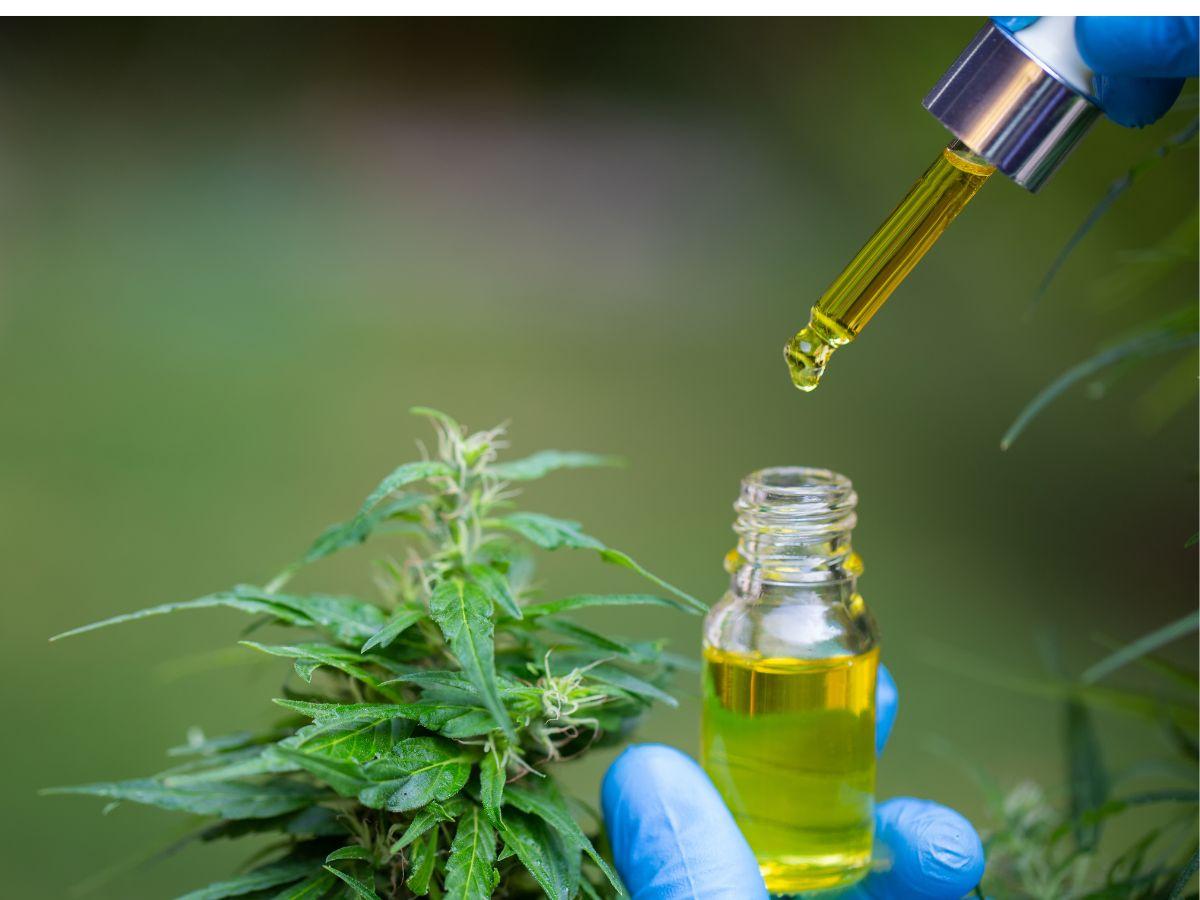
But she does not give up, she keeps innovating. She plans to open the Herb House, a restaurant that, according to her, aims to normalize cannabis as an ingredient. 'Cannabis powder, sprinkled for decoration, seeds to give texture, besides being very nutritious. CBD and THC olive oil and butter, coffee with cannabis coconut oil, even pesto can be made from the leaf,' she exemplifies.
Ikeda is making history in the neighboring country, highly regarded among Brazilian chefs working with cannabis. Without permission for this type of activity here, they need to make noise on the internet, becoming influencers in the niche. It is from there that the money and sponsorships come that would not otherwise come.
The Cozinha4e20 channel, for example, delivers very entertaining weekly videos teaching how to cook with marijuana and is about to launch the first cannabis cookbook made by a Brazilian. Caio Cezar, responsible for the channel, plans to move to Uruguay later this year to practice what he teaches and produce cannabis dinners without problems with the police. 'It's strange to have to leave your own country to have the right to work,' he laments.
Leaves, flower, seeds, part of the roots, almost everything is used, guarantees cannabis cooking teacher Lilica 420. 'Each one has a technique. Seeds and roots can be used as they are. But with the flowers, I make an extraction and use it as oil or an extract for drinks.' With over 50,000 followers on Instagram and thousands more on YouTube, she shares secrets of the edible form of cannabis, which she considers 'much longer-lasting in the body than the inhaled form'.
Regardless of the different regulations they are subject to, 10 out of 10 cannabis chefs express the desire to open their own restaurants. Even in the face of all the difficulties of opening, they believe that the curiosity sparked by the menu will continue to attract customers, whether they are curious or loyal cannabis consumers.