Minor Cannabinoids: Understanding the Plant's Potential Beyond THC and CBD
Compounds like CBN, CBC, and CBG are gaining prominence in science for their distinct therapeutic properties and role in the entourage effect

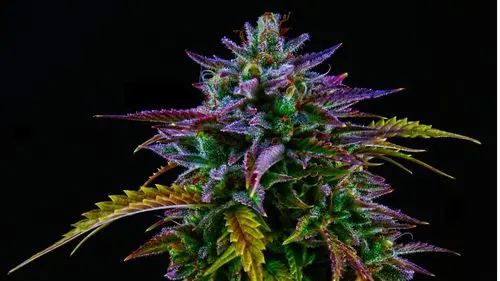
Minor cannabinoids are fundamental chemical compounds that confer unique characteristics to the Cannabis sativa plant. They can be classified as endogenous, produced by the human body, or phytocannabinoids, found in the plant. So far, science has identified over 100 different types of these substances.
While Tetrahydrocannabinol (THC) and Cannabidiol (CBD) are the most well-known due to public discussion, they represent only a part of the whole. There are several other compounds, classified as minor cannabinoids, that play relevant roles in interacting with the body.
Studies indicate that these minor cannabinoids are responsible for many of the physiological effects observed when consuming the plant. They can act in relieving various symptoms such as pain, nausea, anxiety, and inflammation.
Furthermore, researchers highlight the "entourage effect". This theory suggests that minor cannabinoids act synergistically, enhancing therapeutic efficacy when consumed together, compared to isolated use.
Overview of Minor Cannabinoids in Science
Below, we present the properties of the most common compounds investigated by science.
CBN (Cannabinol): Cannabinol (CBN) largely results from the degradation and oxidation of THC, a process that naturally occurs as the plant ages. Unlike its precursor, this is one of the minor cannabinoids with low or no psychoactivity.
- Sedative: Studies indicate significant sedative properties, being investigated for insomnia and muscle relaxation.
- Bone regeneration: Research suggests aid in bone regeneration and osteoporosis treatment.
- Antibacterial action: Shows potential in combating bacteria, including antibiotic-resistant strains.
- Anticonvulsant: Potential observed in reducing seizures or spasms.
CBC (Cannabichromene): Cannabichromene (CBC) does not produce typical psychoactive effects and has attracted attention for its interaction with pain receptors. It is one of the minor cannabinoids suggesting efficacy in relieving chronic pain without the side effects of traditional analgesics.
- Anti-inflammatory and analgesic: Acts in reducing inflammation and pain.
- Potential antitumor: Preliminary studies point to CBC as a possible agent in combating certain tumors.
- Neuroprotection and dermatology: Indications for use in preventing neurological diseases and treating acne.
- Antidepressant: Investigated for its potential in combating depression.
CBG (Cannabigerol): Dubbed the "mother of all cannabinoids," CBG is the chemical precursor that gives rise to CBD and THC. Found in low concentrations in the mature plant, it stands out among minor cannabinoids for not being psychoactive.
- Eye health: Shown efficacy in reducing intraocular pressure, promising for glaucoma.
- Neuroprotection: Studies investigate its use in degenerative diseases like Huntington's Disease.
- Anti-inflammatory: Potential to reduce intestinal inflammation.
- Cellular inhibition: Research suggests the ability to inhibit the growth of certain cancer cells.
THCV (Tetrahydrocannabivarin): Tetrahydrocannabivarin (THCV) has a structure similar to THC but offers distinct effects. In laboratory analyses, this member of the minor cannabinoids group is described as energizing and capable of reducing neurological stress.
- Appetite control: Known for its ability to suppress appetite.
- Mental health: May assist in relieving anxiety and cases of PTSD.
- Motor control: Studies suggest a role in regulating motor and glycemic control.
THCA (Tetrahydrocannabinolic Acid): THCA is the acidic form of THC found in the plant in its natural state, without causing psychoactivity until heated. Consuming the raw plant aims to harness the benefits of these minor acidic cannabinoids without altering consciousness.
- Antiemetic: Aids in reducing nausea and vomiting.
- Neuroprotection: Acts in protecting neurons.
- Antiproliferative: Inhibits the growth of cancer cells in preliminary studies.
The Importance of Professional Monitoring
The Cannabis sativa plant offers a wide variety of compounds that interact in complex ways with the human body. The items listed above represent only a portion of the identified substances.
Experts emphasize that cannabis is not a "silver bullet" but a therapeutic tool that requires technical knowledge. The best way to understand the interaction of minor cannabinoids with the body is through professional monitoring. Treatment typically starts with low dosages, gradually adjusted to ensure safety and efficacy.
With information from El Planteo