New Study Promises to More Accurately Distinguish THC Levels in Cannabis Plants
Study maps the DNA of six distinct cultivars' chloroplast, revealing promising genetic tools for crop improvement and forensic tracking

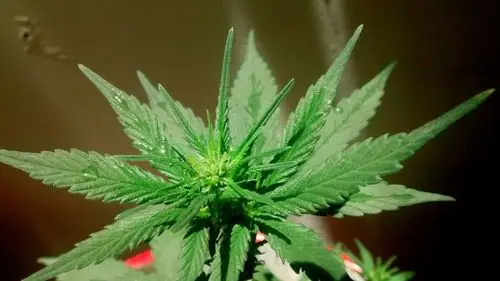
An comprehensive analysis of the Cannabis sativa L. genome, published in January 2026 in the scientific journal Scientific Reports, revealed new genetic markers. The discovery is capable of accurately distinguishing different varieties of the plant.
Secure your spot at CBCM 2026 here!
The research was conducted by Saber Delpasand Khabbazi from Yozgat Bozok University in Turkey. The study identified specific variations in repetitive DNA sequences, known as microsatellites.
These markers can be crucial in differentiating industrial hemp from high Tetrahydrocannabinol (THC) varieties. Furthermore, the tool promises to assist authorities in tracking international trafficking routes.
Focus on Cannabis Genome and Chloroplast DNA
The study focused on the chloroplast genome (cpDNA) due to its evolutionary stability and maternal inheritance. This feature makes it a robust tool for identifying genetic lineages within the vast Cannabis genome.
To examine the variations, the research used advanced bioinformatics tools on six cultivars from distinct geographical regions. Samples included 'Carmagnola' (Italy), 'Dagestani' (Russia), and 'Yoruba' (Nigeria).
Three Chinese varieties were also analyzed: 'Chinese hemp', 'Yunma 8', and 'Longma 9'. Geographical diversity was crucial to validate the markers' effectiveness in different contexts.
Unprecedented Results in Cannabis Genome Mapping
The core of the research consisted of identifying "Simple Sequence Repeats" (SSRs), or microsatellites. The results indicated the presence of 30 to 46 of these markers in each genotype studied in the Cannabis genome.
The analysis revealed that each of the six cultivars had a unique genetic profile in the chloroplast. This suggests a high potential for these markers in precise identification, even among morphologically similar plants.
The study highlights that certain DNA regions were reported for the first time as potential markers. Specifically, the intergenic regions atpH-atpl and ndhF-rpl32 proved promising for genetic differentiation.
According to the publication, "the results demonstrated the high discriminatory power of cpSSR markers and highlighted the substantial differentiation of maternal lineage among the studied accessions". The chloroplast analysis was able to pinpoint clear differences in origin and type.
Industrial and Forensic Applications of Cannabis Genome Study
The study observed that specific genes, such as clpP and rps16, contained unique drug-type markers. This feature was observed in the Nigerian sample 'Yoruba', indicating a path for rapid identification tests.
"Identifying specific cannabis genotypes can be of great importance in genetic studies, breeding programs, and particularly in cannabis trafficking across borders and forensic cases," the study points out in its introduction.
The ability to trace geographical origin through these molecular markers offers a low-cost resource. Compared to other genomic techniques, this allows monitoring trafficking routes or certifying the origin of legal crops more efficiently.
Methodology and Limitations of Cannabis Genome Analysis
To achieve these results, the researcher conducted a complete in silico (computational) analysis of the genomes. The approximate size of the Cannabis genome in the chloroplast of the cultivars varied slightly, ranging between 153.8 and 153.9 thousand base pairs.
The research, however, acknowledges its own limitations and the need for caution in immediate generalization. The sample used was mostly composed of hemp varieties, with only one drug-type specimen.
The author concludes that, while the current data provide a solid foundation, expanding the scope is necessary. "Expanding the sample set and incorporating nuclear markers in future work would provide a more comprehensive understanding of genetic differentiation in cannabis," the article concludes.