Omaha Tribe Analyzes First License Application for Cannabis Cultivation in Nebraska
The process may pave the way for a dispensary in 2026 and highlights the contrast between tribal regulatory agility and the state's impasse over medical cannabis.

Published on 02/10/2026
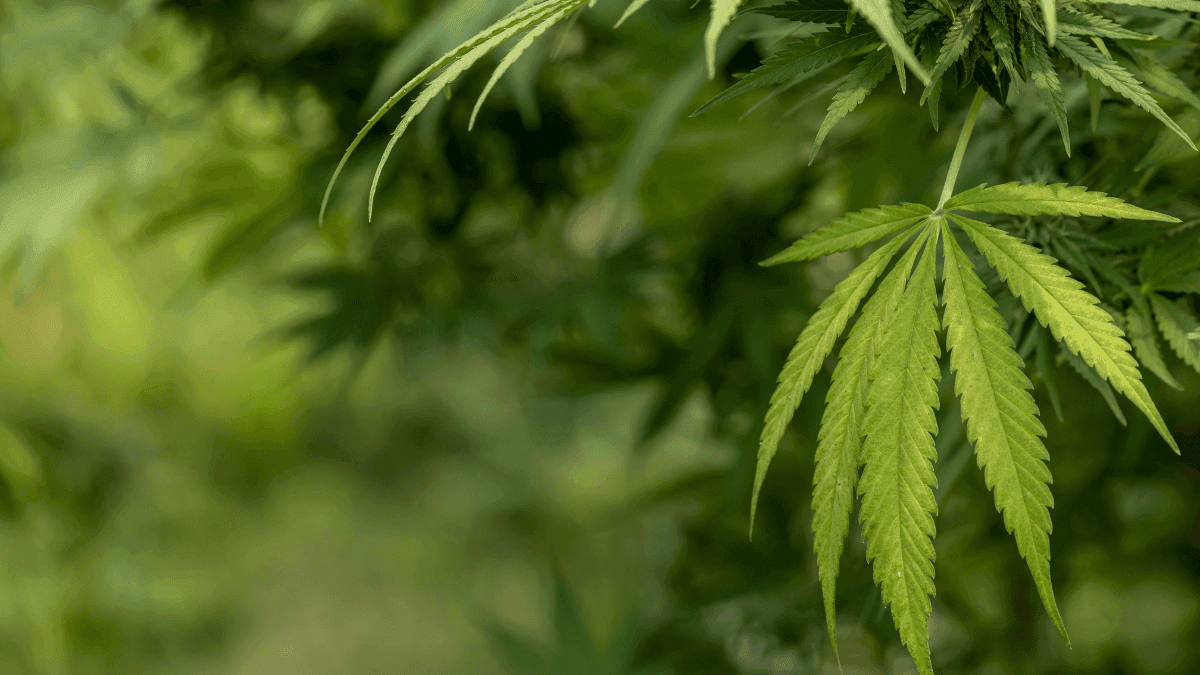
Omaha Tribe Begins Analysis of Cultivation License and Plans Dispensary in 2026 | CanvaPro
The Omaha Tribe's Cannabis Commission, in northeastern Nebraska, has begun analyzing the first license application for adult-use cannabis cultivation. The process signals the advancement of the indigenous community in regulating the sector and opens the way for the establishment of a dispensary in 2026, while the state of Nebraska is still discussing the implementation of medical cannabis approved by popular vote.
According to the website Canamo, the application was submitted just three months after the official creation of the commission, highlighting the speed with which the tribe structured its own regulatory framework.
First License Application
According to the local news channel WOWT, candidates Derek Cats and Darren Canby met with the Omaha Tribe's Cannabis Commission and tribal attorney John Cartier. He explained that the analysis considers criteria such as professionalism, previous experience in licensing processes, and the absence of sanctions or complaints.
“The idea is to reduce the risk of cannabis being diverted to unregulated markets,” Cartier told the Wowt website.
The applicants reported previous experience with legal cultivation in Colorado and highlighted the project's potential for job creation and new sources of income for the tribe.
The Omaha Tribe has been advancing at a pace distinct from the state. It has already approved internal regulations, is receiving license applications, and plans to open its first retail outlet in April. The process is supported by Chapter 51 of the Cannabis Control Code, enacted in July 2025, which regulates cultivation, processing, testing, transportation, and sales within tribal jurisdiction.
Vertical License and Economic Impact
According to John Cartier, the adopted model provides for a five-member commission and the granting of a “vertical” license, which integrates all stages of the production chain. The attorney general emphasized that the urgency is linked to fiscal issues and warned of possible cuts of “30% to 40%” in public programs, pointing to cannabis as an alternative source of revenue and job creation.
The Omaha Tribe's initiative highlights how cannabis regulation has also become a matter of sovereignty and resource management, in a scenario of impasses at the state level.
With information from Canamo.Net