Outdoors about cannabidiol divide cities in ES and expose flaws in regulation
Ads about cannabidiol importation in Greater Vitória generate different reactions among municipalities and reignite the debate on the limits of advertising cannabis-derived products in Brazil

Published on 04/16/2025

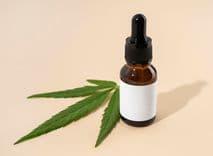
Removal of billboard about medicinal cannabis reignites debate in ES (Image: CanvaPro)
It was just another ordinary Monday in Serra, a municipality in Greater Vitória (ES), when drivers passing through the Parque Residencial Laranjeiras neighborhood noticed the disappearance of an image that had been attracting attention in recent days: a green-background billboard with straightforward letters inviting patients to access a portal dedicated to medicinal cannabis.
The sign, one of at least three placed in strategic locations in the region, promoted online medical consultations with cannabis prescribers and offered a service for the importation of cannabidiol (CBD) products. However, for the Serra city hall, the advertisement did not go unnoticed. It was deemed inappropriate and removed based on the Federal Law 11.343/2006, the same law that governs national drug policy.
For specialists and those who face the challenges of accessing medicinal cannabis daily, the removal of the billboard reignites a delicate question: where does the boundary of legality in advertising cannabis-related services in Brazil begin and end?
The Serra episode contrasts with what happened in neighboring municipalities. In Vila Velha, the city hall stated that advertising remains permitted, with no restrictions on content, and the billboard remains. In Vitória, so far, there has been no official response from the municipal administration regarding the legality of the piece.
Anvisa, Conar, and cannabis as medicine
This divergence between the stances of the municipalities shows how Brazilian legislation still does not keep pace with the complexity of the current scenario. On one hand, the medicinal use of cannabis is authorized by the National Health Surveillance Agency (Anvisa), although with many barriers. On the other hand, the advertising of these products, even if indirect, as is the case with importation intermediation, remains shrouded in legal uncertainties.
The ads on the Click Cannabis website mention diseases such as depression, fibromyalgia, epilepsy, and insomnia, all conditions for which there are studies and beneficial reports on the medicinal use of the plant.
But Anvisa is categorical: any form of commercial promotion of cannabis products is not permitted, even in restricted environments or with login and password.
This regulatory gap becomes a stage for disputes between the advancement of science, the needs of patients, and a legislation still based on taboos and misinformation.
The National Council for Advertising Self-Regulation - Conar, the body responsible for overseeing advertising in Brazil, was also contacted but reported that, so far, it has not received any formal complaints about the billboards in Greater Vitória. Nevertheless, it reiterated that all advertising of prescription medications must be directed exclusively to health professionals.
For those in need of medicinal cannabis, each sign, each facilitated consultation, each drop of oil represents or would represent more than a therapeutic option; it is a chance for quality of life.
The removal of a billboard is just the visible reflection of a much larger discussion: how will Brazil deal with cannabis in the coming years? The answer may lie in the stories of those who have already found relief, even amid prohibitions.
We spoke with Lucas Rouxinol, CEO of Click Cannabis, who said that the removal of the billboard in Serra (ES) reflects a still confusing and unequal regulatory scenario. "Unfortunately, the lack of clarity regarding the disclosure of services related to medicinal cannabis opens the door for misinterpretations. We will continue to work responsibly, ethically, and committed to health, to ensure that more people know about and consider this therapeutic alternative consciously and within the law," said the CEO to Sechat.
According to Lucas, Click Cannabis is a serious company that has already facilitated access to cannabidiol treatment for over 30,000 people across the country. "We always operate legally, safely, and with medical supervision," he concludes.
With information from A Gazeta.