Study analyzes potential of cannabis-infused beverages as an alternative to alcohol
Survey of adult cannabis users indicates a decrease in weekly alcohol consumption after adopting cannabis-infused beverages

Published on 02/06/2026
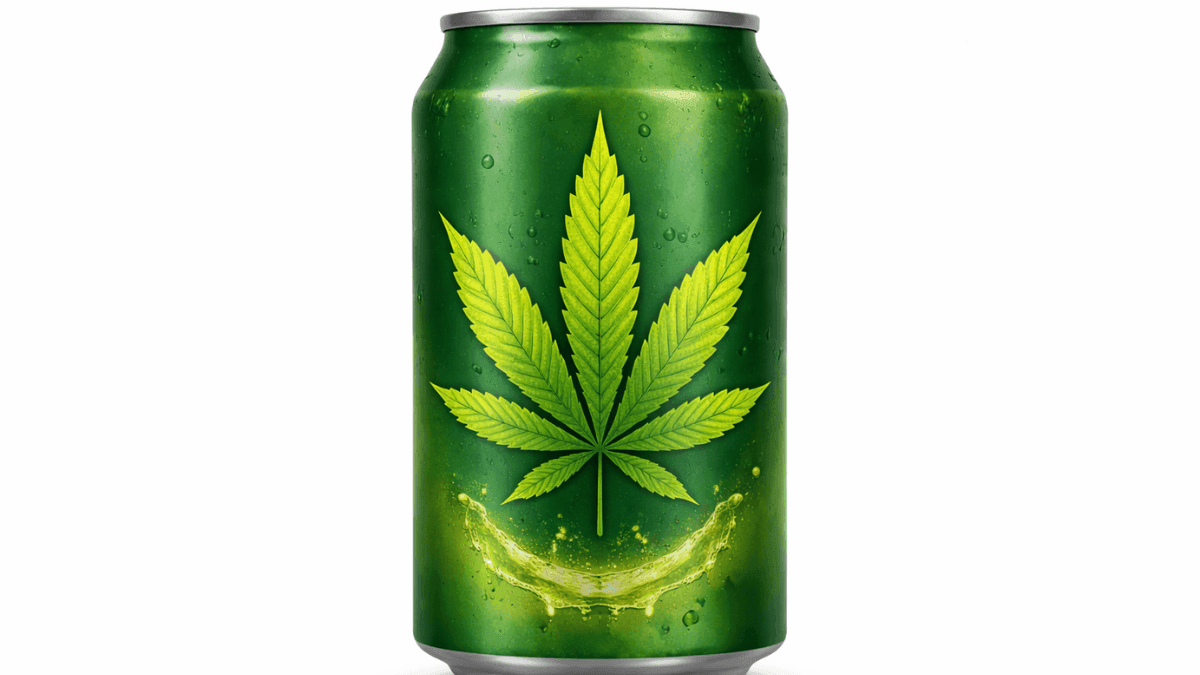
Consumption of cannabis beverages grows among users reporting lower alcohol intake | Reproduction /IA
A new international study, conducted by researchers from the Department of Community Health and Health Behavior at the University at Buffalo (State University of New York, USA) and published on January 14, 2026 in the Journal of Psychoactive Drugs, suggests that cannabis-infused beverages are associated with a reduction in alcohol consumption among adult cannabis users.
The research used data from a survey of 438 adults who reported using cannabis in the past year, evaluating alcohol consumption patterns before and after starting to use cannabis beverages. The results indicate that participants consuming these beverages reported fewer alcoholic drinks per week and a lower frequency of binge drinking episodes, opening up discussions on harm reduction strategies in the context of substance use.
Majority report decrease in alcohol consumption
According to the data, about one-third of the respondents regularly consumed cannabis-infused beverages, usually one per session. Among these users, 58.6% reported replacing alcohol with cannabis, a percentage higher than the 47.2% observed among non-users of these beverages.
 The research also found that after starting to drink cannabis instead of alcohol, participants reported a reduction in the average number of alcoholic drinks per week, from about 7 drinks before to 3.35 after, and a decrease in the frequency of binge drinking episodes.
Implications for harm reduction
The authors highlight that individuals who mentioned an intention to reduce the use of other substances were more likely to consume cannabis beverages. The study concludes that these beverages can function as a substitute for alcohol for some people, helping to reduce alcohol consumption and potentially mitigate harms related to intensive substance use.