Study identifies how cannabis developed the ability to produce THC, CBD, and CBC
In a study, a Dutch university reveals how cannabis developed the ability to produce THC, CBD, and CBC through the evolution of ancestral enzymes

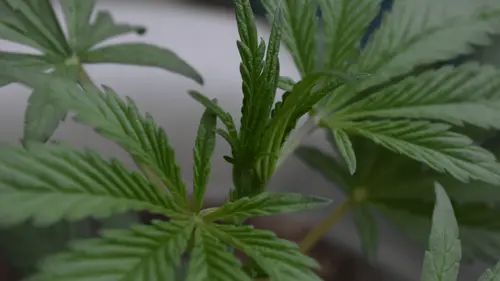
Researchers from Wageningen University & Research experimentally demonstrated how Cannabis sativa developed the ability to produce the cannabinoids tetrahydrocannabinol (THC), cannabidiol (CBD), and cannabichromene (CBC) through enzymatic evolution, a study published on December 26, 2025, in the Plant Biotechnology Journal and disclosed by the university.
Technique of reconstructing ancestral enzymes
The work used the approach of reconstructing ancestral sequence, based on the DNA of current cannabis plants to infer the enzyme sequences that existed in plant ancestors millions of years ago. These ancestral enzymes were then "resurrected" in the laboratory and tested in functional experiments to verify their activity in cannabinoid production.
From enzymatic ancestry to specialization
In modern Cannabis sativa plants, the cannabinoids THC, CBD, and CBC are synthesized by highly specific enzymes for each compound. The research showed that the ancestors of these enzymes originally functioned as "generalist" catalysts, capable of producing multiple cannabinoids from a common precursor, cannabigerolic acid (CBGA). Only after gene duplication events throughout evolution did these enzymes specialize in producing a single type of cannabinoid.
The study did not involve sampling live plants in the field; it focused on the production of ancestral enzymes in laboratory systems to conduct biochemical assays. The experimentally reconstructed enzymes allowed for comparing ancestral catalytic activity with modern enzymes, identifying functional differences throughout evolution.
The experiments indicated that ancestral enzymes could simultaneously synthesize multiple cannabinoids, while the derived versions in contemporary Cannabis showed specialization in producing a single compound (THC, CBD, or CBC). The research provides experimental evidence on the evolutionary trajectory of cannabinoid biosynthetic pathways in the plant.
Observations on biotechnological production
In addition to evolution, researchers noted that the reconstructed ancestral enzymes were easier to produce in microorganisms, such as yeasts, compared to modern enzymes, which may have implications for biotechnological methods of producing these compounds in controlled environments.
Safety and scope of the study
The research focused on molecular biology and enzyme evolution, without involving tests on humans or animals, and did not include safety or toxicity clinical data; its main emphasis was on the functional characterization of ancestral proteins related to cannabinoid biosynthesis.