Study points to possible protective effect of cannabis on the liver in alcohol users
Study indicates that cannabis may be associated with a lower risk of liver damage in people with alcohol use disorder

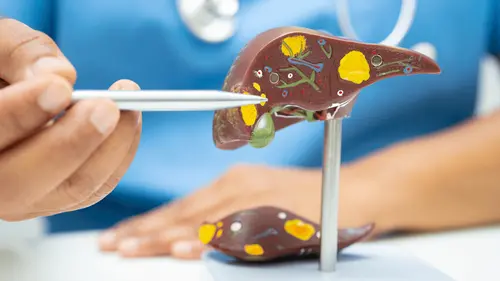
A recent study published in the scientific journal Liver International brought an interesting finding: individuals who frequently use cannabis appear to have a lower risk of developing alcohol-related liver disease (ALD). The research analyzed information from over 60,000 patients diagnosed with alcohol use disorder (AUD) and observed that those with cannabis use disorder (CUD) had about 40% lower chances of developing liver complications.
According to a report from Marijuana Moment, in addition to reducing the risk of ALD, frequent cannabis use was also linked to lower rates of liver decompensation and overall mortality, a data point that has caught the attention of the medical community.
What the research observed
Scientists used the TriNetX US Collaborative Network database, gathering clinical information from patients between 2010 and 2022. To make the analysis more precise, participants were divided into three groups: frequent users (diagnosed with CUD), occasional users, and non-users of cannabis.
After statistical matching to balance factors such as age, sex, and health conditions, the results showed that the frequent use group had:
- Lower risk of alcohol-related liver disease (HR 0.60)
- Lower risk of liver decompensation (HR 0.83)
- Lower all-cause mortality (HR 0.86)
Among occasional users, the difference was significant only in relation to the risk of ALD.
Learn More - Cannabidiol and liver safety: evidence from a randomized clinical trial
What medicine says
According to Dr. Marianna Coimbra, General Practitioner in Campo Grande/MS, the findings reinforce a research field that has been gaining prominence: the role of the endocannabinoid system in liver health.
“Recent studies have shown that the cannabinoid system also plays an important role in liver health. Studies indicate that it could become a new target for treating liver diseases caused by excessive alcohol consumption,” explains the doctor.
She mentions that the liver has two main types of cannabinoid receptors: CB1 and CB2. The former, when excessively activated by alcohol, tends to favor fat accumulation and inflammation. On the other hand, CB2 seems to have a protective function, helping to reduce liver damage and fibrosis.
“Substances like cannabidiol (CBD) have shown, in animal studies, the ability to reduce oxidative stress and inflammation in the liver. These results suggest that modulation of the cannabinoid system may, in the future, offer new treatment possibilities for alcohol-related liver diseases,” Marianna adds.
Despite the encouraging results, the doctor emphasizes that further clinical studies in humans are needed to confirm these effects and define the safe use of these substances.
Association, not recommendation
Despite the promising results, the authors emphasize that the study does not establish a cause-and-effect relationship, meaning it is not possible to state that cannabis protects the liver. The survey also does not detail the type, dose, or form of cannabis consumption.
Nevertheless, the study reignites interest in the endocannabinoid system as a possible therapeutic target for liver diseases. Researchers believe that compounds like cannabidiol (CBD) may have anti-inflammatory and protective effects, although further clinical studies are needed to confirm this.
With information from Marijuana Moment.