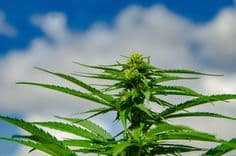
Study reignites debate on THC blood limits while driving
A study shows that legal limits of THC in the blood may not reflect actual driving ability, pointing out that frequent users maintain normal performance even after days without consumption

Published on 12/05/2025

Study questions legal THC blood limits while driving | CanvaPro
A new study conducted by the University of California, San Diego indicates that fixed THC blood limits may not tell the whole story. Regular users showed high numbers even without recent use and still maintained normal driving performance.
THC detectable even after 48 hours without consumption
According to Cañamo, the research followed 190 frequent cannabis users and asked them to remain 48 hours without consuming. After this period, blood samples were collected, and driving tests were conducted in a simulator.
Even in abstinence, 43% recorded levels equal to or above 0.5 ng/mL, a value used in zero tolerance policies. Another 24% exceeded 2 ng/mL, while 5.3% were above 5 ng/mL, thresholds that, in several U.S. states, characterize driving under the influence.
Driving performance remained unchanged
In the simulator, researchers did not find significant differences in driving ability between those below or above these limits. Even participants with higher concentrations, up to 16 ng/mL, showed no impairment in performance.
Read Also - Cannabis and driving: what you need to know
According to the study, THC detection in the blood, especially in frequent users, is not a reliable indicator of driving impairment.
Laws may punish those not under the influence
The survey draws attention to laws known as per se, which establish fixed numbers as an automatic criterion for punishment. For researchers, this model may penalize individuals who do not pose a real risk, including patients who use cannabis therapeutically.
The study reinforces the need for more precise assessments that consider the driver's actual state and not just isolated toxicological results.
With information from Cañamo.