The Indigenous Peoples of Brazil Did Not Discover Cannabis
A story of interculturality and repression

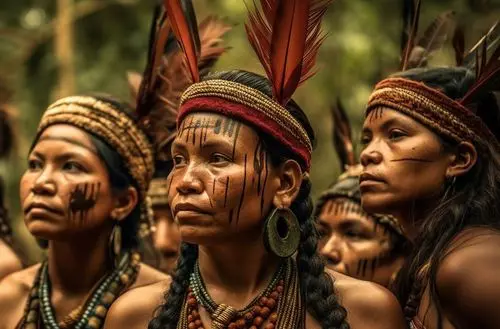
The Indigenous peoples of Brazil have a complex and historical relationship with cannabis. According to Henrique Carneiro, a professor of modern history at USP and a cannabis specialist, it is crucial to understand that the plant is not native to the Americas. "All Indigenous uses of cannabis in Brazil occurred through importation, either from Europe or, possibly, Africa," explains Carneiro. This fact dismantles the notion that cannabis was an endemic plant in pre-Columbian Indigenous cultures, revealing a more recent introduction in the historical context.
“Cannabis arrived in the Americas with European exploration and colonization voyages, being incorporated into the habits of different peoples over the centuries,” explains Carneiro, who emphasizes that Indigenous peoples, known for their adaptation and resilience, quickly found uses for the plant, whether for medicinal, industrial, or recreational purposes.
During the 1970s, at the height of the repression of the Brazilian military dictatorship, this relationship with the plant became a point of conflict. Emílio Garrastazu Médici, then president of Brazil, used the plant as a symbol of disobedience and marginality, accusing Indigenous peoples of being "potheads." This accusation not only stigmatized these peoples but also exposed them to greater persecution and violence, generating outrage among Indigenous communities and their supporters.
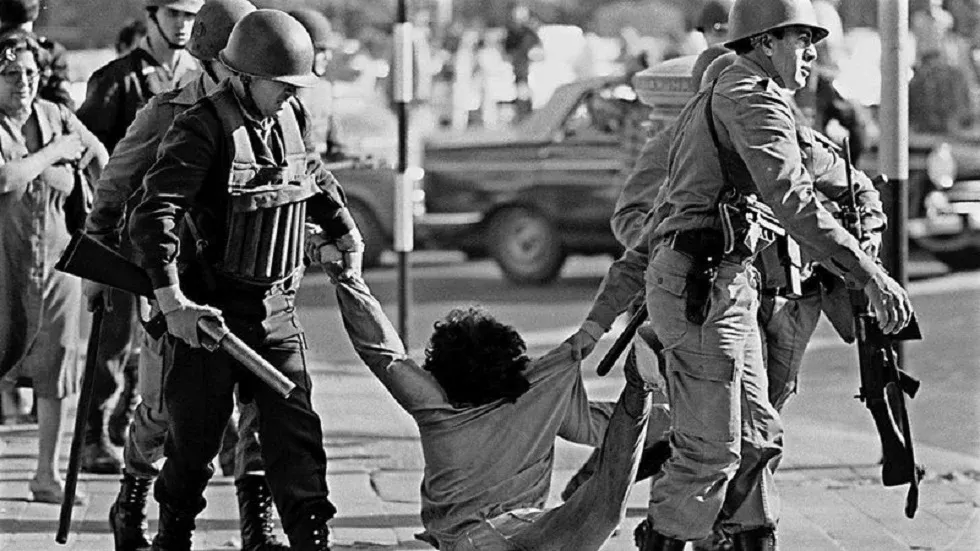
Henrique Carneiro emphasizes that this persecution was a reflection of the repressive policies of the dictatorship, which aimed to control and punish any behavior perceived as subversive. Cannabis, with its association with counterculture and resistance, became an easy target. "The relationship of Indigenous peoples with cannabis is a testament to the capacity for adaptation and cultural resistance, even under adverse circumstances," asserts Carneiro.
Celebrating the history and relationship of the Indigenous peoples of Brazil with cannabis, especially on this August 9, when International Indigenous Peoples Day is celebrated, is essential to recognize and value their cultural contributions and their resistance in the face of adversity. The plant, which arrived in the Americas through trade and colonization routes, has become an integral part of the history of these peoples, reflecting a legacy of resilience and adaptation.
The history of marijuana in Brazil is, therefore, a story of adaptation and resistance. Furthermore, it serves as a reminder of the impact of colonial and dictatorial policies on Indigenous peoples, and the importance of recognizing and celebrating the resilience of these cultures in the face of historical adversities.