Study links medical cannabis to increased survival in patients with advanced biliary cancer in Thailand
Retrospective study with 491 patients shows significant difference in median survival, but methodological limitations prevent establishing causal relationship

Published on 11/13/2025
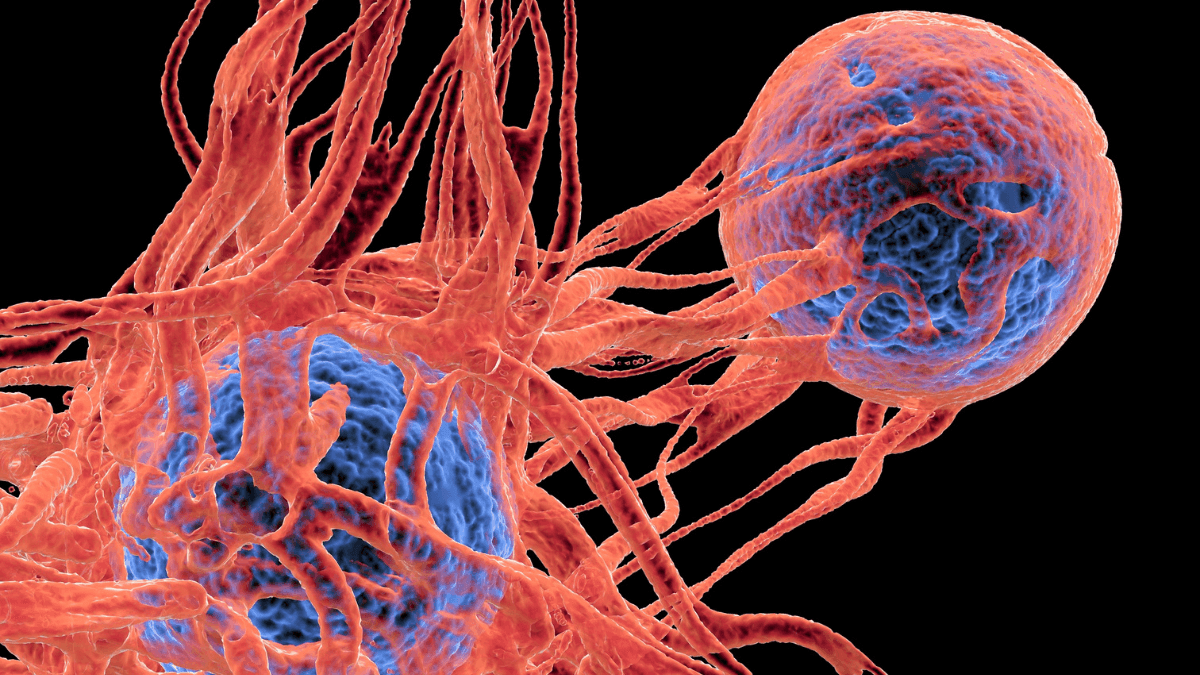
Research suggests that therapeutic cannabis may bring more time and quality of life to patients with biliary cancer | CanvaPro
A retrospective study conducted in six hospitals in northeastern Thailand found an association between the use of medical cannabis and longer survival time in patients with cholangiocarcinoma (CCA) and hepatocellular carcinoma (HCC), types of cancer that affect the liver and bile ducts. Cholangiocarcinoma is an aggressive biliary cancer, while HCC originates in liver cells; some patients have combined tumors (cHCC-CCA). The research, published in the F1000Research journal, followed 491 patients diagnosed with these advanced-stage diseases between September 2019 and December 2020.
Observed survival differences
The results showed that patients who received treatment with medical cannabis (87 participants) had a median survival of 5.66 months after registration at palliative care clinics or cannabis, compared to 0.83 months for those who received only standard palliative care treatment (404 participants). The mortality rate was 10.9 per 100 person-months in the cannabis group, compared to 48.35 per 100 person-months in the control group.
It is important to note that the survival time was counted from the date of registration at the clinics, not from the initial diagnosis. The average time between diagnosis and registration was 8.65 months for the standard group and 5.32 months for the cannabis group — a difference that may indicate that patients in the standard group were already in more advanced stages of the disease at the time of registration.
In the multivariate analysis adjusted for age, sex, and time between diagnosis and registration, treatment with medical cannabis was associated with a 72% reduction in the risk of death (adjusted HR = 0.28; 95% CI: 0.20–0.37; p < 0.001).
Regional and epidemiological context
Northeastern Thailand, particularly Khon Kaen province, has the highest global incidence of cholangiocarcinoma, with 118.5 cases per 100,000 inhabitants — more than 100 times the global rate. The region has high disease rates related to local risk factors, including infection by liver parasites.
Thailand became the first country in Southeast Asia to legalize medical cannabis in February 2019, incorporating it into palliative care services as an adjuvant or alternative option to standard treatment.
Important study limitations
The authors themselves highlight significant limitations that prevent definitive conclusions about causality:
Retrospective design: The study analyzed medical record data, without randomization or prospective control of confounding variables.
Selection biases: Patients in the cannabis group were often diagnosed in community hospitals and directly registered at cannabis clinics after confirmation of advanced metastases, often without prior treatment. In contrast, many patients in the standard group were referred late to palliative care, often after exhausting surgery, chemotherapy, or other therapeutic options. Over 71% of the standard group had received chemotherapy, while only 49% of the cannabis group had received conventional palliative care. The difference in time between diagnosis and registration (8.65 months vs 5.32 months) suggests distinct disease trajectories between the groups.
Incomplete clinical data: Crucial information such as cancer stage, functional status (performance status), tumor burden, comorbidities, and detailed treatment history were not consistently available in medical records and could not be included in the analyses.
Residual confounding: The lack of adjustment for important prognostic variables means that unmeasured factors may explain part or all of the observed survival difference.
Information on cannabis: The study does not provide details on dosage, specific formulation, cannabinoid composition, or treatment adherence.
Possible mechanisms and previous studies
Preclinical research suggests that cannabinoids such as CBD and THC may have antitumor effects through the induction of apoptosis, inhibition of angiogenesis, and suppression of cell proliferation. Observational studies indicate that medical cannabis may improve symptoms such as pain, nausea, and loss of appetite, potentially allowing for greater tolerance to systemic therapies.
A previous American study with hospitalized patients found lower hospital mortality in cannabis users with cholangiocarcinoma (OR = 0.40), while a Thai prospective cohort reported improved functional status and quality of life in CCA patients treated with cannabis.
However, other research showed shorter survival in advanced cancer patients using cannabis, illustrating the inconsistency of available data.
Perspectives and need for further research
The authors emphasize that, although the observed association is statistically significant even after adjustments, establishing causality without prospective randomized controlled studies is not possible. Differences in care trajectories between the groups may partially or fully explain the results.
The study provides preliminary data that can inform discussions on public policies and the development of evidence-based palliative care strategies within the context of the Thai national medical cannabis program, but its authors acknowledge that additional well-designed studies are needed to confirm the findings and explore potential mechanisms.
It is relevant to note that the article received mixed peer review: 1 approval, 2 approvals with reservations, and 2 disapprovals, reflecting methodological and interpretative controversies in the scientific community.
The research was funded by the Faculty of Medicine at Mahasarakham University and approved by three independent ethics committees.
Reference: Phansila N, Pansila P, Wongkongdech A, et al. Survival rate of patients with combined hepatocellular cholangiocarcinoma receiving medical cannabis treatment: A retrospective, cohort comparative study [version 3]. F1000Research 2025, 11:1212