Vai-Vai brings hemp to the Carnival of São Paulo
Partnership with the Velha Guarda of Vai-Vai highlights sustainability, textile innovation, and popular culture in the Carnival of São Paulo


The Velha Guarda of the Vai-Vai Samba School participates in the school's parade this Friday, February 13, at the Carnival of São Paulo. In 2026, the Velha Guarda established a partnership with Sechat and Ayraa to promote the message 'Vai de Cânhamo,' an initiative presented during technical rehearsals and court rehearsals — and not part of the official parade on the avenue.
The tradition of samba gains a new partner in innovation and sustainability. The proposal aims to valorize hemp as an ancestral fiber, highlight its potential in textile innovation, and contribute to breaking historical prejudices associated with the plant, through information and culture.
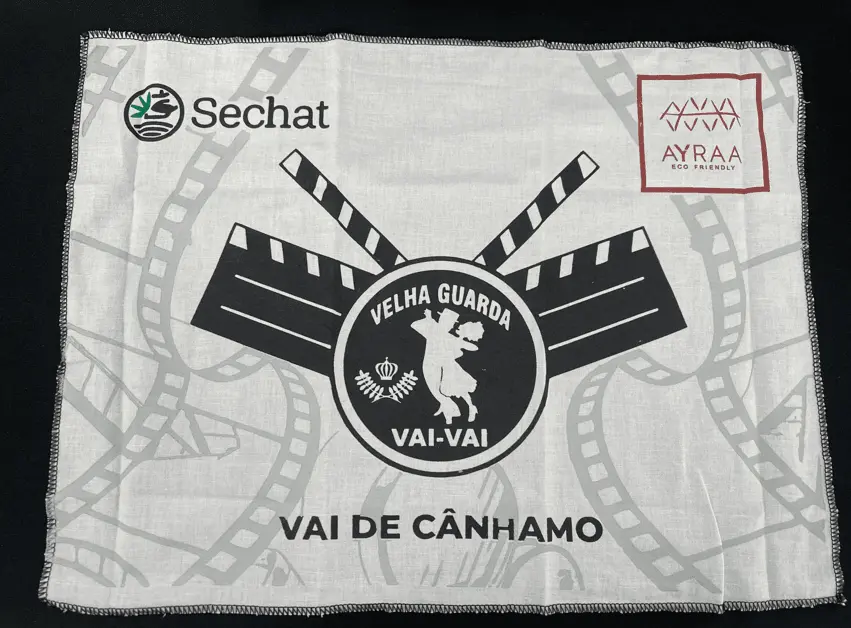
The scarves made of hemp fabric were developed for use in rehearsals, symbolizing the partnership between the Velha Guarda of Vai-Vai, Sechat, and Ayraa. The action reinforces the school as a partner in disseminating qualified information about the plant, expanding the debate responsibly within the cultural environment.
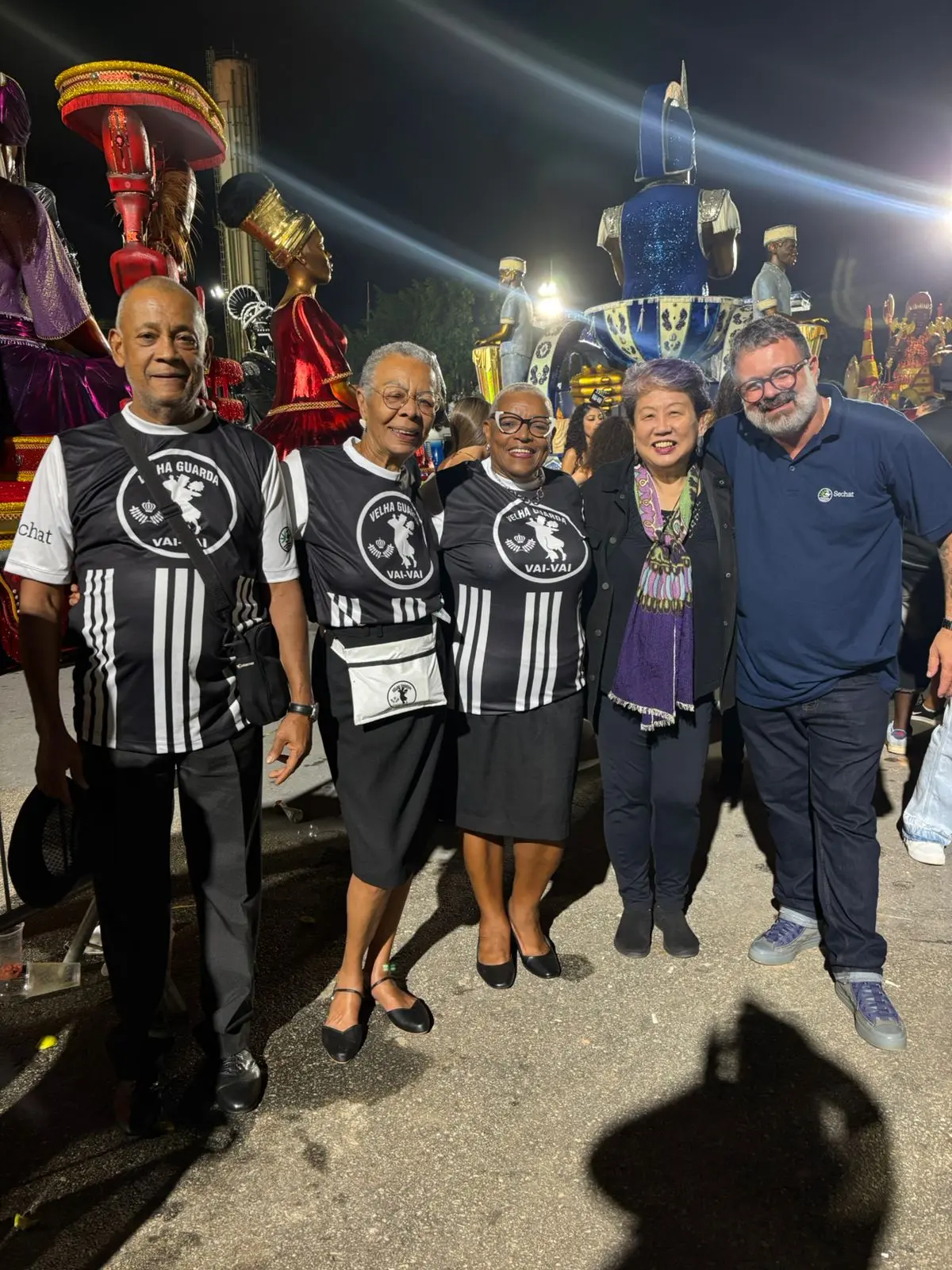
The Velha Guarda of the Vai-Vai Samba School uses uniforms and scarves made of hemp fabric during rehearsals at the Sambadrome of Anhembi and other activities. The initiative publicizes the partnership with Sechat and Ayraa and reinforces the message 'Vai de Cânhamo,' highlighting sustainability and textile innovation.
The theme directly dialogues with the historical pillars of Vai-Vai — cultural resistance, representativeness, and innovation. Just as samba faced marginalization until it became a Brazilian cultural heritage, hemp also carries a history marked by stigmas that are being redefined in the light of science and sustainable development.
According to neurosurgeon and scientific director of Sechat, Pedro Pierro, cannabis is a versatile plant — just like the hemp fabric presented — and needs to be understood beyond medicinal use, with potential also industrial and sustainable.
“And, in this context, to demystify, there is nothing better than a popular and folkloric Brazilian party like Carnival to show that marijuana, or hemp, or cannabis, is not only social or solely medicinal — it is much more than that.”
According to the doctor, expanding this discussion within one of the country's biggest cultural symbols is a strategic way to bring information closer to the population in an accessible and democratic manner.
Through the partnership with the Velha Guarda, Pedro Pierro and pharmacist Margarete Akemi Kishi will hold lectures and seminars focused on raising awareness about the medicinal use of cannabis, inviting sister schools and representatives of the samba community to participate in the meetings. The proposal is to bring technical and scientific knowledge, contributing to reducing stigma and expanding responsible debate on medicinal cannabis.
Ayraa's CEO, Marcelo Sertório Fernandes, also emphasized the importance of the initiative for the sustainable textile sector. “Carnival is a global showcase of Brazilian creativity and culture. Bringing hemp to the world's biggest party is an important milestone and fills us with pride, as it is another step we take to reposition hemp as a protagonist among natural fibers.”
He highlighted that the partnership built with Vai-Vai demonstrates how tradition and innovation can walk together, connecting industry, science, and popular culture.
Member of the Velha Guarda and vice president of the group, Júlia Bernard Ribeiro, known as Bepa, 69 years old, represents this connection between memory and contemporaneity. A living part of the history of São Paulo samba, she emphasizes the significance of the action: “Samba has always been resistance. We have seen many things change over the years. If it is to speak of something that helps the planet and also carries history, samba can also raise this flag.”
Bepa also reinforces the cultural commitment of the school: “Vai-Vai has always been linked to the transformations of society. We sing what we live, what we feel, and what we believe. Sustainability is also culture.”
In rehearsals, the hemp scarf symbolizes not just an adornment, but a message. The partnership reinforces that tradition and innovation can coexist and that Carnival is also a space for dialogue, information, and social evolution — even when the message is not officially on the avenue, but present in the cultural construction that precedes the parade.