Water Efficiency and Hemp Resilience May Be Essential in Water Scarcity
Unveiling the secrets and benefits of the cannabis subspecies in relation to cotton

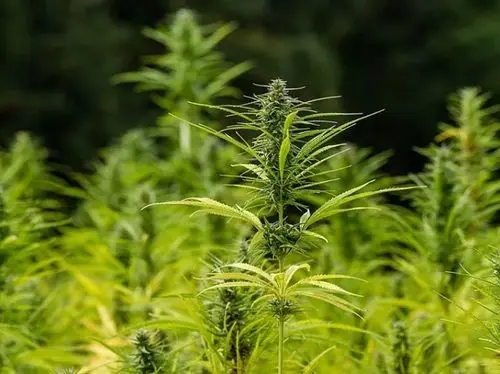
In the vast landscape of agricultural practices, one crop is emerging as a promising and sustainable alternative. Although often associated with its psychoactive variety, hemp proves to be a versatile and environmentally friendly source. Compared to traditional cotton cultivation, for example, its surprising properties are redefining the standards of modern agriculture.
Water Efficiency and Resilience
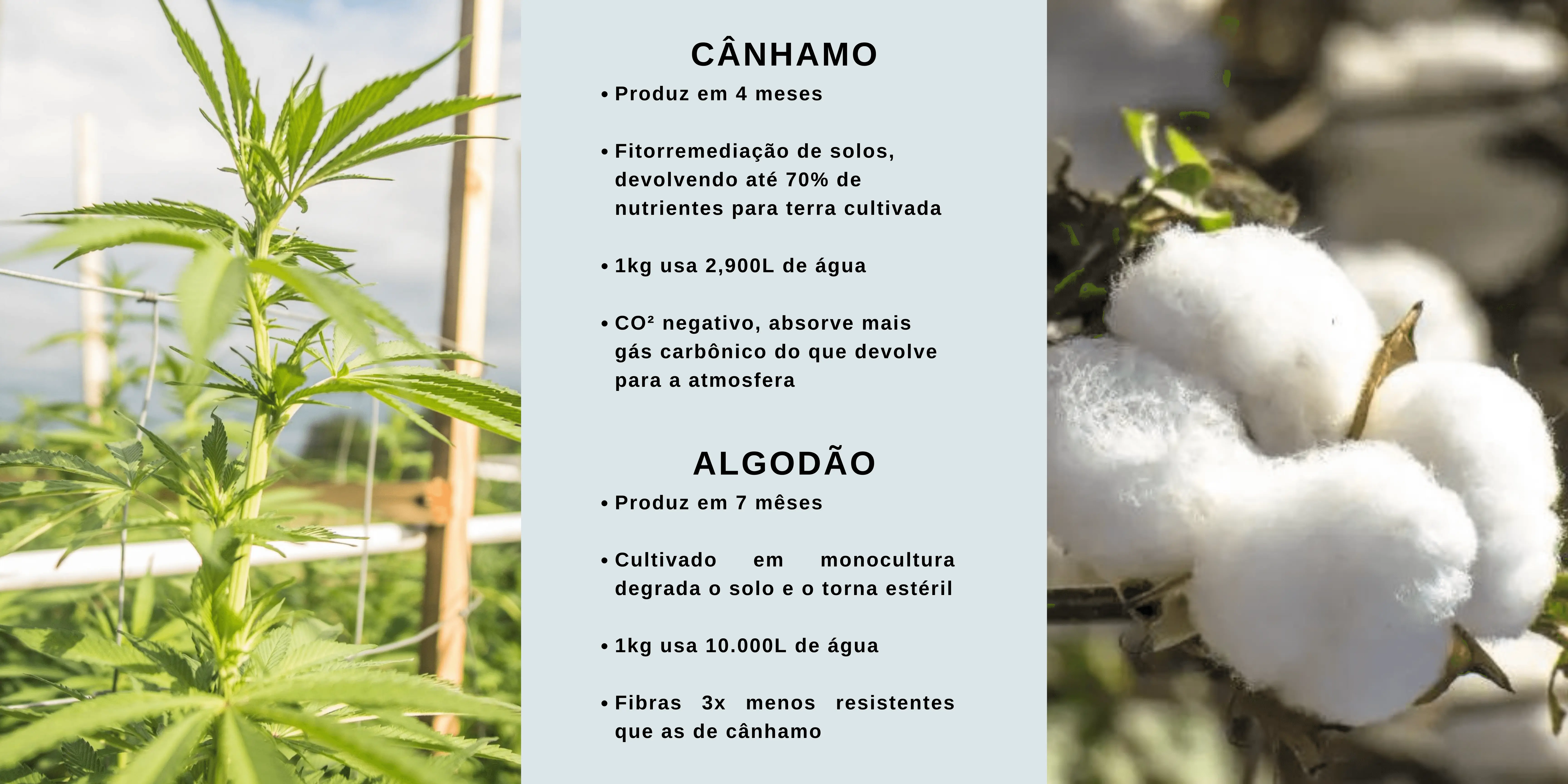
In a world where water scarcity is a growing concern, efficiency in the use of this vital resource is essential. Hemp stands out as a true champion in this regard. While cultivating 1kg of cotton can recklessly consume up to 10,000 liters of water, hemp requires merely a fraction of that, approximately 2,900 liters. This significant discrepancy highlights hemp as a more conscious and responsible choice for farmers and the environment.
Moreover, the resilience of hemp is remarkable. Its fibers are approximately three times stronger than those of cotton, making it ideal for a variety of applications, from textiles to construction materials. This superior durability not only extends the lifespan of products made with hemp but also reduces the need for frequent replacement, resulting in less waste.
Shorter Production Time and Soil Bioremediation
One of the most striking distinctions between hemp and cotton is the time required for cultivation. While cotton takes approximately seven months to mature, hemp is notably faster, reaching maturity in just four months. This difference in the growth cycle not only increases production efficiency but also allows farmers greater flexibility in their operations.
Furthermore, the divergent environmental impact between these two crops is undeniable. Cotton, often grown in extensive monocultures, exerts significant pressure on the soil, leading to its degradation and impoverishment. In contrast, hemp can be cultivated in a smaller area and generously returns approximately 70% of the nutrients to the soil, enriching it rather than depleting it. Additionally, hemp is a carbon-negative crop, meaning it absorbs more carbon dioxide than it emits throughout its life cycle, contributing to climate change mitigation.
Brazilian Regulation and the Future of Hemp Cultivation
In the Brazilian context, regulation surrounding hemp cultivation for industrial purposes is gradually evolving. With a growing recognition of its potential industrial applications and environmental benefits, Brazil is exploring ways to integrate hemp into its agriculture sustainably and economically. Although regulatory challenges still persist, there is increasing awareness of hemp's potential as a promising crop capable of driving sustainability and innovation in the Brazilian agricultural industry.
Conclusion
Hemp emerges as a catalyst for significant transformation in the agricultural landscape. Its water use efficiency, superior resilience, shorter growth cycle, and positive environmental impact distinguish it as a viable and sustainable alternative to traditional cotton cultivation. By adopting hemp, farmers can not only improve their own productivity and profitability but also play a crucial role in preserving our planet for future generations. It is time to embrace the renaissance of hemp and reap the benefits of more conscious and sustainable agriculture.
To learn more about the agricultural potential of hemp, watch the third episode of Deusa Cast: