What is THCA and what are its benefits?
Cannabis sativa presents hundreds of identified phytocannabinoids and THCA is a precursor compound to THC and does not cause psychoactive effects
Sechat Editorial
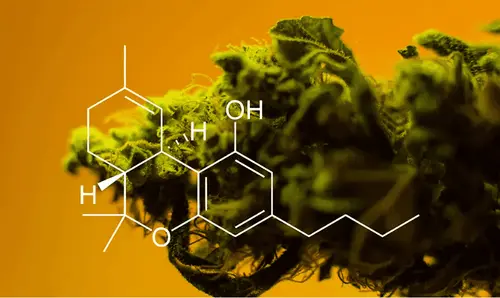
Tetrahydrocannabinolic acid, or THCA, is an abundant cannabinoid in live and raw cannabis plants. THCA is a non-psychoactive cannabinoid found in the stems, leaves, and flowers of marijuana plants and is believed to have a variety of health benefits. Heating THCA can convert it into a different cannabinoid. This cannabinoid is delta-9-tetrahydrocannabinol, better known as THC, the cannabinoid famous for the psychoactive effects of marijuana.
THC is probably the most well-known cannabinoid. However, the live or raw marijuana plant does not technically contain THC, it will contain a large amount of THCA, which converts to THC when decarboxylated due to exposure to heat.
Decarboxylation is the scientific term for the process that occurs when cannabis is heated and THCA is converted to THC. Heat removes a carboxylic acid group from tetrahydrocannabinolic acid, or THCA. Decarboxylation can occur when cannabis is exposed to many types of heat, including the heat involved in smoking or vaporizing cannabis, or the heat that cannabis is exposed to when left in the sun for a long period of time.
Therefore, THCA is the precursor to THC, as it converts to THC when exposed to heat. However, it is very important to remember that THCA is a unique cannabinoid that possesses unique properties. THCA has a different chemical composition from THC and these two cannabinoids affect the body in different ways.
The THCA molecule is too large to fit into the CB1 receptors within the endocannabinoid system the way THC does, which is how THC causes psychoactive effects.