When cannabis becomes a recipe: 7 ways to reinvent the kitchen
Discover how cannabis is transforming the culinary world: from infused oils to tasting menus, chefs explore flavors, well-being, and new sensory experiences with the plant

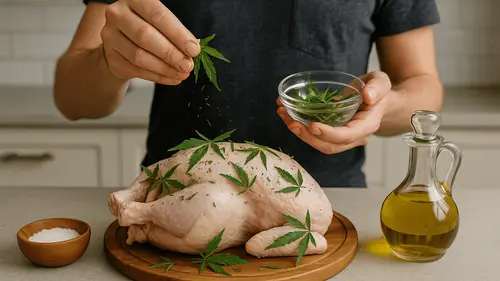
No, you are not mistaken, this is not a recipe site, but it can be too. Because sometimes, one ingredient changes everything. And when the ingredient is cannabis, the alchemy goes beyond taste, touching senses, stories, memories, and even well-being.
If it was once limited to brownies and urban myths, now cannabis is starting to take its rightful place in kitchens around the world, with spoonfuls of science, pinches of creativity, and a generous drizzle of green revolution.
Cannabis gastronomy is breaking boundaries and crossing stigmas, showing that from the strain to the sauce, there is a new way to cook, feel, and take care of oneself. Here, we gather seven ways in which cannabis is transforming the culinary universe, and perhaps changing the way we understand pleasure, health, and flavor at the table.
1. Infusions that nourish body and soul
Butter is no longer just butter. Olive oil isn't either. With the infusion of cannabinoids like THC and CBD, chefs and home cooks create meticulously dosed preparations, ranging from bread to the main course. The alchemy begins with decarboxylation, a process that activates the compounds and allows the therapeutic effect to find the ideal seasoning. A gesture that goes beyond cooking: it is care.
2. Flavors guided by terpenes
Imagine harmonizing a flower rich in limonene with lemon and fresh herb chicken. Or combining earthy myrcene with a spicy mango sauce. That is exactly what chefs have been doing, exploring terpenes, the aromatic compounds of cannabis, to create symphonies of flavors. A kind of green enology, where the bouquet does not come from grapes, but from the plant.
3. Sauces that take center stage
The era of sweet highs is in the past. Today, cannabis seasons sauces, marinades, and pastas with a masterful subtlety. Vinaigrettes, oils, and savory creams gain discreet infusions, respecting the ingredient and expanding its possibilities. Instead of hiding the taste of the plant, the proposal is to incorporate it, as if it were aromatic oregano or well-placed cumin.
4. Purposeful Gastronomy
In the new cannabis gastronomy, it is no longer about getting high, but about experiencing, tasting, and living with presence. Tasting menus with carefully dosed infusions, refined presentations, and curated effects show that cannabis can be part of a culinary experience that is as sensitive as it is delicious.
5. CBD in the wellness kitchen
With its non-psychoactive profile, CBD has found its way into the dishes and drinks of those seeking balance, relief, and relaxation without losing focus. Calming lattes, functional salads, morning smoothies: CBD has arrived at the table as a discreet yet powerful ally. And more and more chefs are betting on healthy menus that care for you from the inside out.
6. Drinks with a green soul
Forget canned sodas. The new wave is artisanal drinks infused with cannabis, alcoholic or not, with blends of terpenes and cannabinoids that subtly activate the senses. Cocktails that embrace the night with lightness, sparkling waters that refresh and relax. A new social ritual, with less hangover and more presence.
7. Cooking, teaching, sharing
The popularization of cannabis also involves education. And now, culinary schools and independent chefs are teaching the basics of cannabis cooking: dosing, decarboxylation, food safety, legislation. An essential step for more people to explore this ingredient with awareness, technique, and affection.
Cannabis is moving from being a taboo to becoming a seasoning. And, like any good ingredient, it demands respect, attention, and sensitivity. It is not just about flavor, nor just about health. It is about making space for a new relationship with food and, above all, with the plant.
Read Also:
Cannabis gastronomy: Brazil begins to position itself in the market