When Fear Changes Your Dog's Behavior
Cruella's story shows the challenges faced by pet owners in dealing with aggression, apathy, and the limitations of traditional treatments in dogs

Published on 02/05/2026
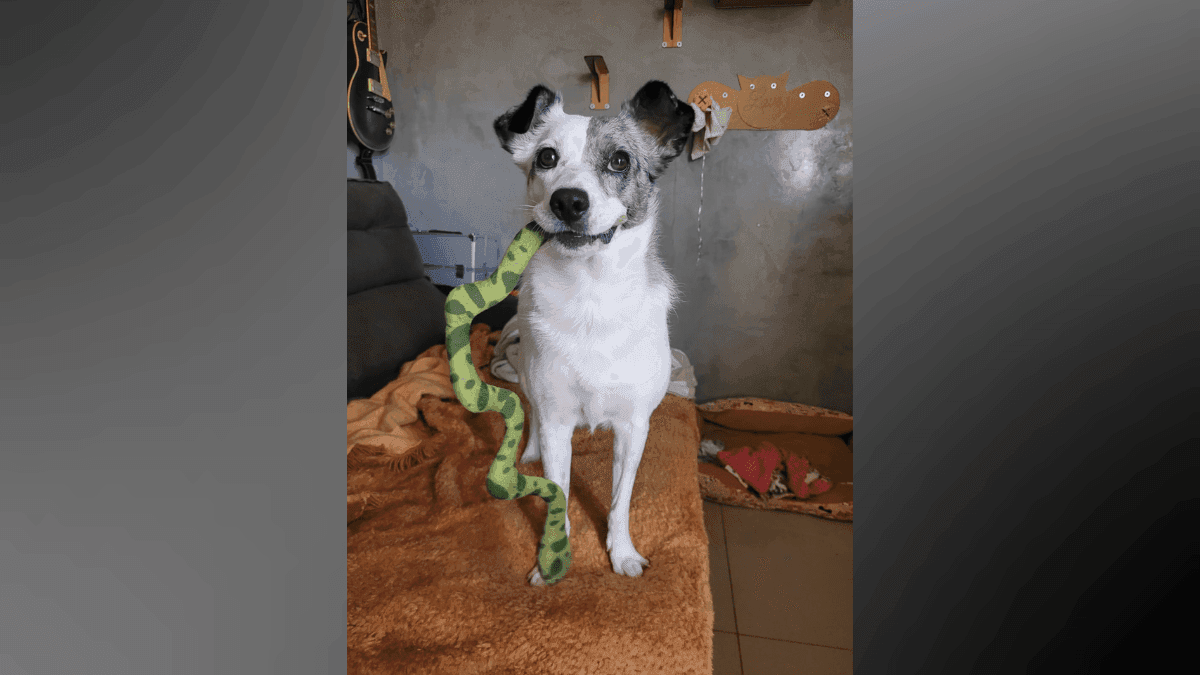
How cannabis helped Cruella overcome fear and regain quality of life | Photo: Personal Archive
At five years old, the little dog Cruella carries a story that mixes various emotions ranging from fear, frustrated treatment attempts, and, more recently, a return to quality of life. The change began to be noticed about three years ago when she started to show significant behavioral changes, such as aggression and intense fear of loud noises.
As Cruella's guardian, 31-year-old veterinarian Aline Marques Lourencini closely followed each stage of this process. Co-owner of Pet De Pelos a Escamas, in Bauru, in the interior of São Paulo, she shares her professional routine and passion for animals with her husband, Gabriel Genebre.

Join the VetCannabis module at CBCM 2026
Learn the latest scientific evidence and practical applications of cannabis in veterinary practice. Sign up now
Fear, Apathy, and the Limits of Conventional Treatments
According to Aline, the first signs appeared after Cruella's heat cycle. “She started to become more reactive, especially with people and loud noises. There was probably also a handling error because she is very cute, people would come and pet her without warning, which caused discomfort,” she recalls.
The initial approach involved adjustments to the environment and routine, as well as monitoring by behavioral professionals. For about a year, Cruella underwent treatment combined with changes in daily life. There was an improvement in fear and aggression, but another problem arose: apathy. “She was no longer the same dog. She was very sedated, didn't play, didn't have that energy she had before,” Aline says.
After discontinuing the medications, new attempts were made, including flower essences, homeopathy, and herbal remedies like passionflower, but with unsatisfactory results. At the end of last year, a new prescription brought even more adverse effects. “One medication caused urinary incontinence, and another made her even more fearful,” says Aline.
Approaching Cannabis and Integrative Medicine
Enthusiastic about integrative medicine since graduation, Aline had been following reports on the use of cannabis in both humans and animals for about two years. However, the challenge was to find accessible and safe guidance for her own four-legged daughter.
“I had already asked a colleague to prescribe, but she thought it wasn't the right time yet. At the end of last year, I got tired of waiting and decided to take a course on veterinary cannabis prescription,” she explains.
With a proper prescription for purchase at a human pharmacy, Aline started Cruella's treatment on January 15, using a product acquired at a compounding pharmacy. The protocol is being adjusted with the support of a colleague veterinarian in the integrative field.
Noticeable Results in the First Weeks
The response to the treatment was quick. “In the first week, there was already a significant improvement,” she says. Today, the episodes of panic in the face of rain and fireworks have practically disappeared. Before, Cruella hyperventilated, didn't eat, and was completely disoriented. “Now she stays calmer, but if we call her, she comes,” she describes.
Walks, which had become unfeasible, have also returned to the routine. “Before, any noise on the street was a reason for despair. Today she sniffs around, plays, marks territory. She's a different dog,” says Aline. The aggression has also consistently decreased.
More than just reducing symptoms, the treatment allowed Cruella to express natural behaviors again. “She is more lively, less aggressive, and less fearful. She is able to live again,” Aline concludes.
A Professional Look That Is Also Personal
Graduated in Veterinary Medicine since 2018, Aline has a postgraduate degree in clinical and surgical care for exotic pets and wildlife. Her interest in unconventional animals dates back to childhood and was solidified even before college.

Despite her education and completed course, Aline explains that, for now, prescribing cannabis is not yet part of the routine with clients at the pet shop. “I want to delve deeper into the studies before prescribing to other animals. For now, I am only using it with Cruella, to better understand the process and have a well-structured experience,” she says.
Cannabis and the Advancement in Veterinary Medicine
Cases like Cruella's reflect a broader trend of increasing cannabis use in veterinary medicine, especially within the integrative approach.
According to a report from the Sechat Portal from September of last year, cannabis has been gaining ground as a therapeutic alternative in different species, focusing on reducing common side effects of conventional medications and improving the quality of life of animals.
In Cruella's case, the main goal was always to preserve her essence. “I didn't want something that would erase who she is. I wanted her to continue being playful, active, but without suffering. So far, cannabis is providing exactly that,” Aline concludes.