Cannabis as an Alternative in the Fight Against Vape Addiction
The use of milder substances, such as cannabis, can prevent withdrawal in about 70% of nicotine users, emphasizes a doctor

Published on 07/09/2024
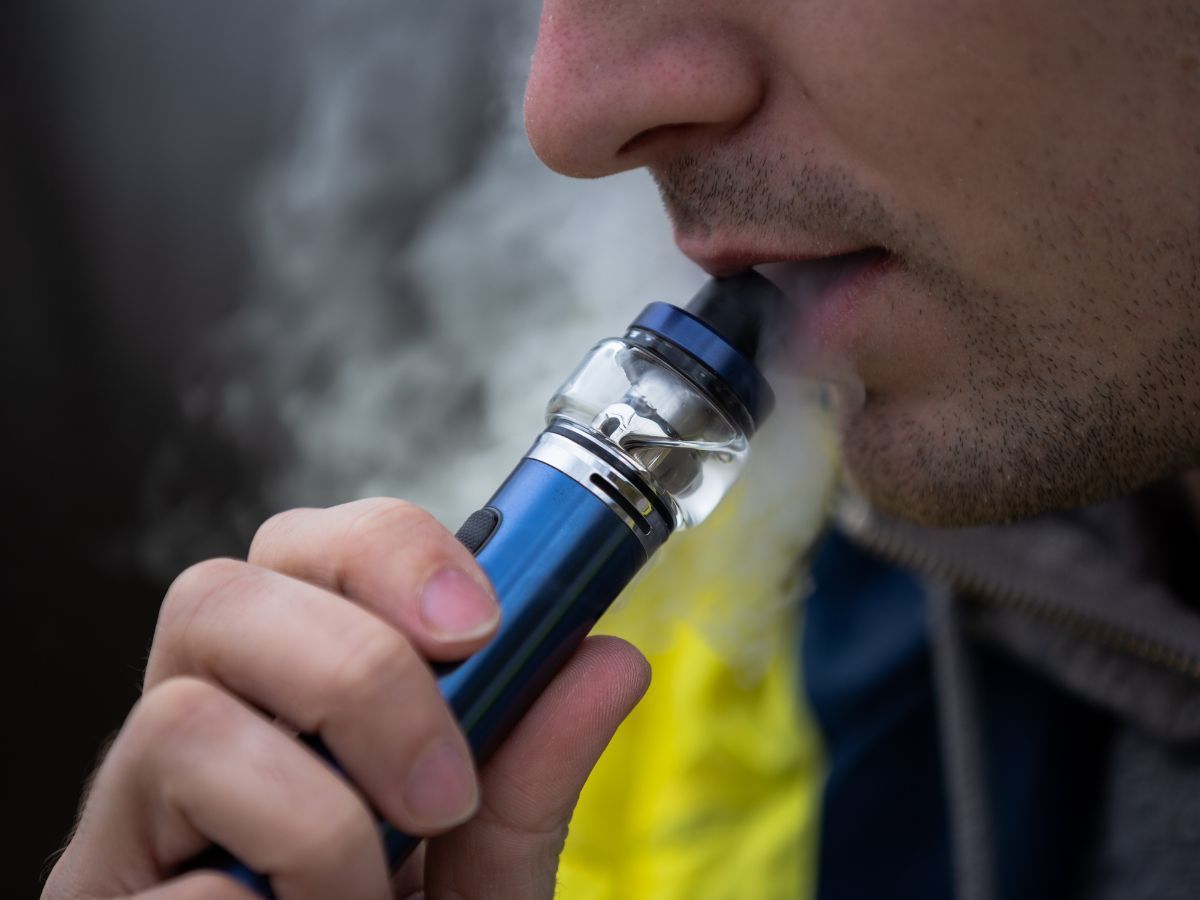
The electronic cigarette can contain up to six times more nicotine than regular ones, according to the study/ Image: Canva Pro
According to a recent study involving 200 vape (electronic cigarette) users, the concentration of nicotine in these users' bodies can be three to six times higher than that of regular smokers. The study was conducted by the Health Surveillance of the São Paulo State Health Department in partnership with the Heart Institute (Incor) and the Toxicology Laboratory of the Faculty of Medicine of USP.
With a constant increase in the number of vape users in Brazil, the debate about addiction treatment is gaining more traction among health professionals. In a public consultation conducted by Anvisa (National Health Surveillance Agency), of the 13,900 participants, 1,158 were health professionals, of whom 745 (about 65%) were in favor of maintaining the ban on electronic cigarettes in Brazil.
Cannabis as a Reduction of Addiction
According to doctor and columnist for the Sechat Portal, Jimmy Fardin, cannabis can act as an ally in the fight against the dependence caused by electronic cigarettes. “We have preclinical studies showing that manipulating the cannabinoid system can neutralize the addictive effects of nicotine,” highlights the orthopedic surgeon and traumatologist.
According to Jimmy, cannabis-based medications interact with the nicotinic receptors in our bodies, influencing the feeling of reward and sensory processing. “The use of milder or even combined substances can prevent withdrawal in about 70% of patients,” emphasizes the doctor.
Scientific Study

A pilot study conducted with 24 smokers evaluated the impact of cannabidiol use in people interested in quitting smoking. 12 participants received inhalers with CBD and the other half received a placebo. During the test, the smokers refrained from using nicotine, having to rely solely on the product provided by the researchers.
During the treatment week, the users treated with placebo showed no differences in the number of cigarettes smoked. Meanwhile, those who used CBD reduced their cigarette consumption by 40% during the treatment. The results also indicated some maintenance of this effect in medium and long-term follow-ups.
“Harm reduction allows a person to have a dignified and responsible life. It is a more realistic perspective for those in the situation. The use of illicit drugs already comes with a stigma that the person is a chemical dependent, and that the solution is to punish and prohibit. Therefore, treatment with cannabis through a route other than inhalation has been successfully advancing in reducing the consumption of vapes, tobacco, and illicit drugs for several years,” highlights Jimmy Fardin.