Embrapa secures R$ 13.2 million from Finep for research and projects scientific cultivation to begin in 2026
The historic investment from the Financier of Studies and Projects (Finep) will finance cutting-edge structures in two regions of the country. The approval, combined with recent authorizations from Anvisa, boosts the development of the scientific bases of the "CBD Brazil" project with the central goal of reducing the costs of medicinal products in Brazil, subsidizing the national production chain
Published on 12/11/2025
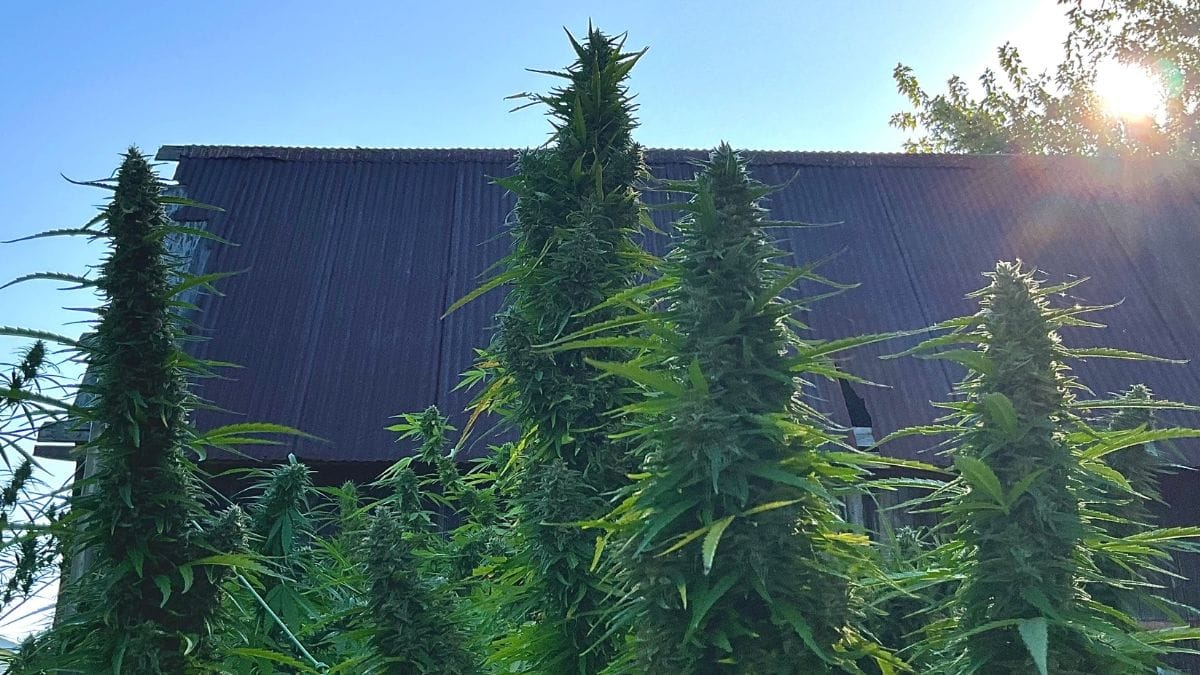
Image: Canva Pro
In a detailed interview with the Sechat portal, the researcher from the Brazilian Agricultural Research Corporation (Embrapa) and technical coordinator of the "CBD Brazil" project at Finep, Beatriz Marti Emygdio brought crucial information about the future of Cannabis research in the country. The R$ 13.2 million funding granted by Finep, fully approved and without cuts, was the catalyst needed for the implementation of structuring projects in the area.
According to Emygdio, the coincidence between the release of funds and Anvisa's authorization for Embrapa's research projects was a necessary "marriage."
"Anvisa's authorization and the funding are absolutely dependent things. We would have much more difficulty establishing our cultivation structures if we didn't have this approval, as funding is crucial for the necessary structures and for adapting our laboratories," highlighted the researcher.
The Destination of R$ 13.2 Million: Structure and Genetics
The resource will be entirely allocated to the unique Finep project ("CBD Brazil"), which largely includes the actions approved by Anvisa. The focus of the investment is the instrumentation of the research units, creating essential controlled environments for cultivation.
The funding will allow the construction and acquisition of:
Exclusive Structures: Greenhouses and phytotrons with photoperiod control, meeting Anvisa's requirement for exclusive areas for the scientific cultivation of the plant.
Cultivation Locations: The structures will be installed at Embrapa Clima Temperado (Rio Grande do Sul) and Embrapa Algodão (Northeast), allowing the testing of genetic materials in different and contrasting environmental conditions.
The researcher emphasized that genetics are "100% relevant" for quality and that the plan is to work with modern materials, including those already used by associations and universities in the country. "What is already in the country, through associations, are very interesting and modern materials. We will take advantage of this acquired knowledge," stated Emygdio.
Scientific Cultivation in 2026 and Cost Reduction
With the secured funding, the expectation is for a swift implementation of the scientific cultivation phase.
Beatriz Marti Emygdio projects that the cultivation structures will be installed in the first half of 2026, given the project's excellent classification with Finep.
Regarding the opening of the market for commercial producers, the scenario is more cautious. The researcher estimates that, even with the publication of cultivation regulations in March 2026, the licensing of producers (likely legal entities) should be a slow process, with effective commercial cultivation starting only at the end of 2026.
However, Embrapa's main contribution will be the cost reduction, not through commercial activities, but through the development of Brazilian technologies and cultivars that will subsidize the establishment and advancement of the national production chain. "We need to have more accessible products. This is fundamental because today the cost burdens not only users but also the Brazilian government itself," pointed out the technical coordinator, highlighting the role of public research in the country's competitiveness.
Agro & Tecannabis at the 2026 Congress
Finally, Beatriz Marti Emygdio reinforced Embrapa's partnership with Sechat for the 2026 Brazilian Medicinal Cannabis Congress. The Agro & Tecannabis module will be expanded to two days, with a "very advanced" program.
The great novelty will be the opening for the submission of scientific abstracts in the agricultural area, an opportunity for researchers and the market to establish partnerships.
"We hope that by May 2026 we will have a clearer scenario, with cultivation regulations published, so that Brazil can embark on this new journey," concluded Emygdio.