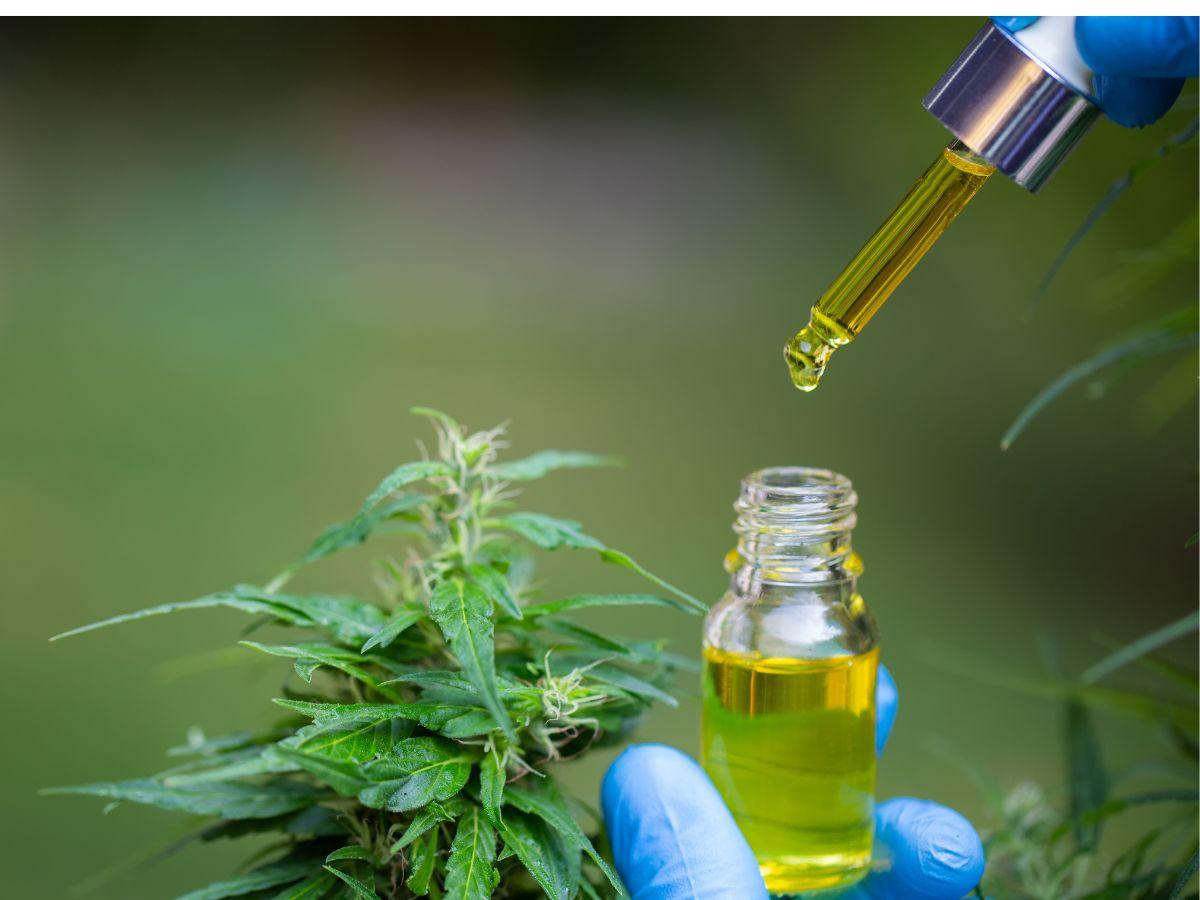
Patients using Medicinal Cannabis for Attention Deficit use fewer prescribed medications, study reveals
Individuals with Attention Deficit Hyperactivity Disorder (ADHD) who consume medicinal cannabis tend to use fewer prescribed medications, including dependency-causing psychostimulants
Published on 10/23/2020
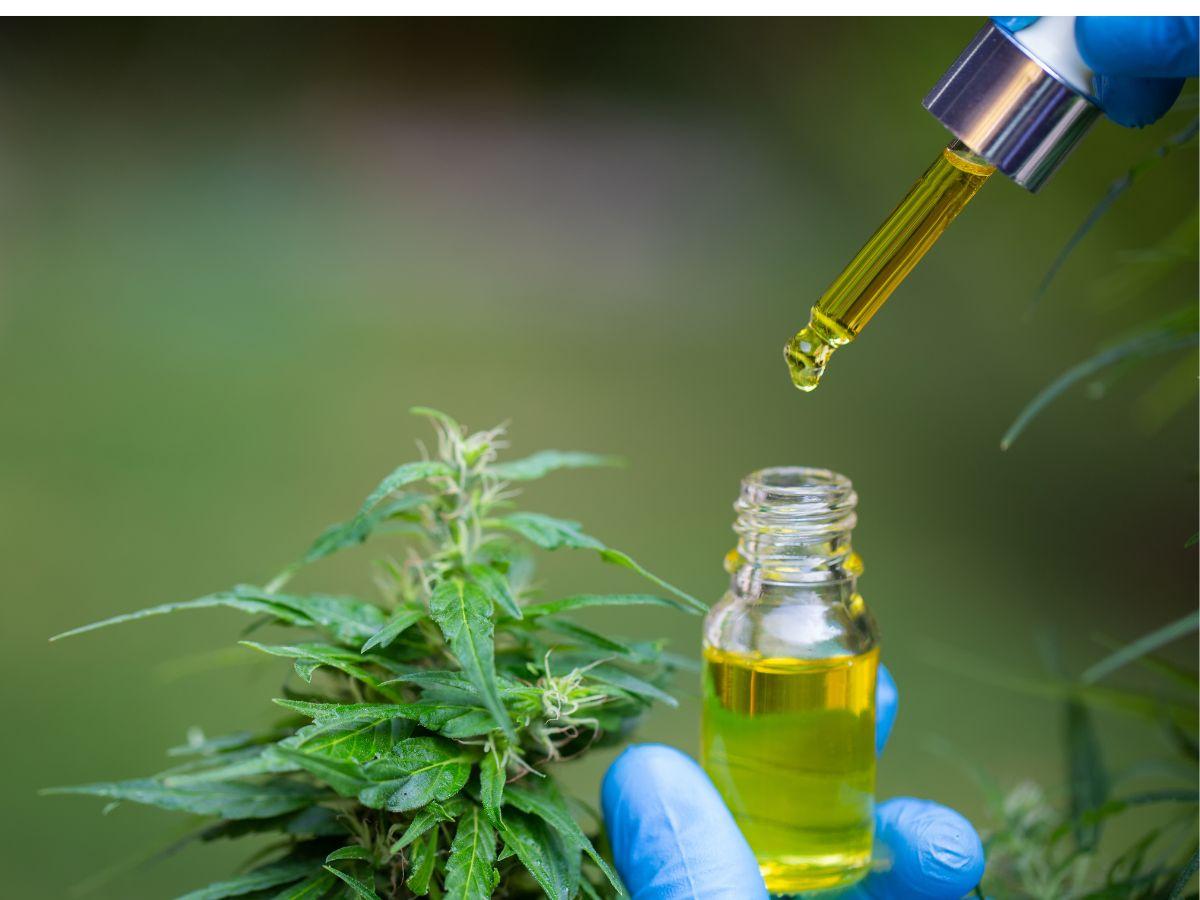
Patients who used components of medicinal cannabis - both cannabinoids and terpenes themselves - “reported a higher occurrence of discontinuation of all medications for Attention Deficit Hyperactivity Disorder (ADHD)”, wrote the researchers, whose findings were published earlier this year in the Rambam Maimonides Medical Journal.
“In this study, we demonstrated that patients treated with Medicinal Cannabis discontinued their ADHD medications, especially in the high-dose CM subgroups and low ADHD symptom frequency subgroups”, wrote the researchers.
>>> CBD reduces lung damage caused by COVID-19
Specifically, the study found that the cannabinoid CBN, or cannabinol, which is found in the plant in only trace amounts, appeared to trigger the best results - although they admitted that “further studies are needed to fully understand” whether cannabis and its constituents can be a viable treatment for ADHD.
“These results, though not causal, may shed light on the potential beneficial effects of medicinal cannabis on the severity of ADHD symptoms and motivate future prospective studies to validate our results”, concluded the researchers, “and perhaps even consider making ADHD an approved condition for medicinal cannabis use in states where it is legalized."
>>> What CBD can do for parents during quarantine stress
The team collected data from 53 Israeli patients using Medicinal Cannabis who had agreed to participate in research and also had a diagnosis of ADHD. Thirty-seven of the 53 patients suffered from some mental health issue.
Participants had to report monthly doses, how they consumed cannabis, the manufacturer or producer, and the cultivar name between October 2019 and January 2020.
“These findings reveal that the consumption of high doses of Medicinal Cannabis components (phyto-cannabinoids and terpenes) is associated with a reduction in ADHD medication.”
This is a departure from previous research on ADHD and cannabis, noted the researchers. Previous studies “considered cannabis as a single product in ADHD research, disregarding its inherent complexities and variability among cultivars and cultivar combinations”, they wrote.
Most patients had already obtained medicinal cannabis licenses for chronic pain or cancer treatment, rather than neurological disorders that coexist with ADHD.
47 patients in the study, which was funded by the Evelyn Gruss Lipper Charity Foundation, reported smoking or vaporizing cannabis.
>>> Study reveals nearly half of Multiple Sclerosis patients use Medicinal Cannabis
Cannabis consumers were divided into two subgroups: high dose and low dose. The cultivar combinations were complicated: there were 27 different combinations of varieties, but besides CBN, the cannabinoids THC, THCV, and CBD were most associated with reducing or eliminating the use of ADHD medications.
Exactly how various combinations of cannabinoids and terpenes “modulate the circuits involved in both ADHD and psychiatric comorbidities” is still unclear, said the researchers. But the study also suggests that finding the right dose and the right cultivar - and cultivar combination - may require significant experimentation by the patient.
Patients in Israel have more reliable access to more regulated cultivars than patients anywhere else in the world - suggesting that most American patients, with a basic knowledge of THC and CBD and nothing more, still have a long way to go.
“This indicates a more complex story than simply stratifying treatment based solely on THC and CBD”, wrote the researchers.