The Advances of Cannabis Regulation in Latin America
In recent years, the region has made significant strides in the decriminalization of cannabis use: in seven countries, the legal use of the plant has become legal for medicinal purposes.
Published on 11/30/2020
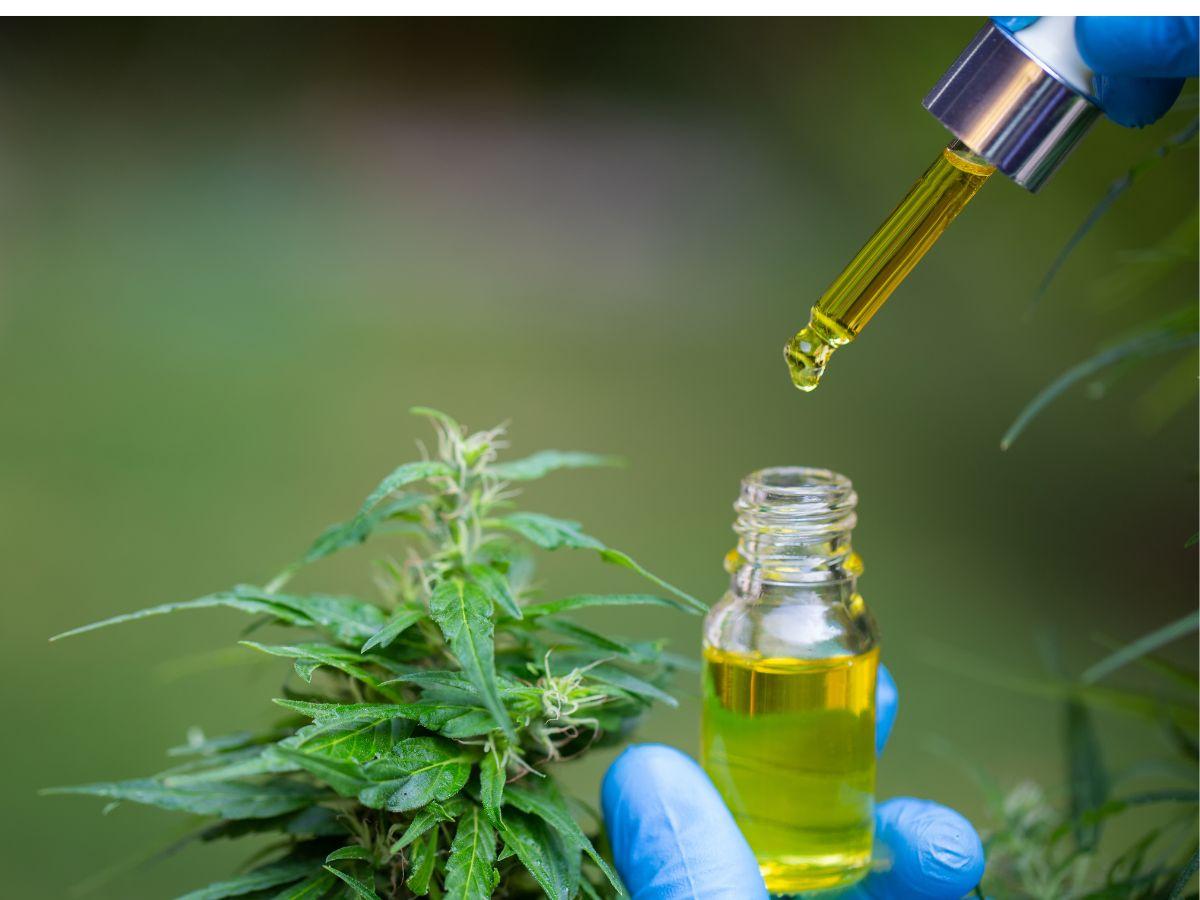
One of the priority themes on the global agenda is the development of the cannabis industry, specifically in Latin America. Therefore, it is important to know what advances have been made in this region of the world.
Amid the uproar caused in November of this year by the legalization of medicinal cannabis in Mexico and Argentina, the prospects are promising for other Latin American nations.
Advances in Cannabis Regulation in Latin America
According to data from ICAN, a reliable and verified information center about the cannabis industry in Mexico, Latin America has about 12.9 million consumers (for annual consumption) who spend nearly 10 billion dollars a year to purchase cannabis, which translates to a per capita consumption of over 2.1 million kilograms of the flower.
As a result, in recent years, Latin America has made significant advances in the decriminalization of cannabis use, as seven countries have given the green light to the legal use of the plant for medicinal purposes, and Uruguay has decriminalized the recreational use of cannabis, becoming the first country in the world to launch this initiative.
The approval of medicinal cannabis was granted in Peru, Uruguay, and Puerto Rico. Additionally, Chile has a market with a potential value of 1.5 billion dollars, positioning the nation as the third-largest consumer of cannabis in the world.
According to data from the Inter-American Commission on Drug Abuse Control (CICAD), 14.5% of the Chilean population uses cannabis. It is worth noting that medicinal cannabis has been legal since 2015, but the first sales of medications began in 2017, and early legalization of cannabis for adult use is not ruled out.
>>> Sechat offers a free service for patients and prescribing doctors of medicinal cannabis
Latin American Cannabis
Similarly, on September 17, 2019, Ecuador joined the list of countries that legalized cannabis for medicinal purposes, but it was in October 2020 that the Ministry of Agriculture issued regulations for the issuance of seven types of licenses that allow for commercial cultivation and harvesting activities with certain cannabis varieties, both outdoors and in greenhouses.
It is important to note that Ecuadorian legislation emphasizes that for the sowing and harvesting of medicinal cannabis to be legal, the cultivation must contain only 1% tetrahydrocannabinol (THC), a cannabinoid that produces psychoactive effects.
Meanwhile, in Colombia, the use of medicinal cannabis has been legal since 2016. However, a debate in the House of Representatives caused the legalization project for recreational use to fail on November 3, 2020.
However, regarding Argentina, on November 12, 2020, a new law on medicinal cannabis was approved, allowing self-cultivation for patients who need the plant. The state also green-lighted free supply to patients and public and private production of cannabis oil and its derivatives.
The new regulation promotes scientific research to generate evidence that allows patients to access the plant safely.
Cannabis Regulation in Mexico
Finally, the most recent case in the region is Mexico, which on November 19 approved, with 82 votes in favor, 18 against, and 7 abstentions, the opinion that regulates the consumption and production of cannabis for medical, adult, and industrial purposes.
The next step is to await the verdict of the House of Representatives, where the project will be discussed and put to a vote. If approved, it will be sent to President Andrés Manuel López Obrador, who will be responsible for enacting the law.
>>> The number of U.S. states regulating medicinal cannabis reaches 35
Some countries still penalize cannabis
The other side of the coin is also interesting, as nations such as Bolivia, Cuba, Guatemala, Honduras, Nicaragua, El Salvador, the Dominican Republic, and Venezuela continue to criminalize the use of medicinal or adult cannabis.
However, there are cases like Costa Rica, where although cannabis is a substance prohibited by law and its production, distribution, and sale are penalized, the consumption of this plant is not considered a crime, but rather a public health issue.
Thus, the view on the advancement of cannabis regulation in Latin America stands out for its richness in contrasts, and it is not ruled out that this region of the world could become one of the main powers in the development of the cannabis market.
Source: Janet Gómez/Nación Cannabis