Allyn Howlett and the discovery of the CB1 receptor: the gateway to the Endocannabinoid System
Thanks to the release of Pfizer studies in the 90s, the neuropharmacologist explains the paths of research that changed the future of the plant

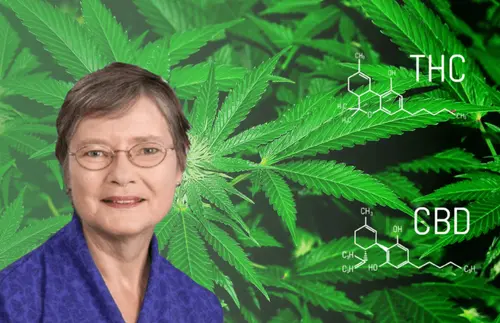
The discovery of the cannabinoid receptor CB1 by neuropharmacologist Allyn Howlett in the early 90s was a milestone in science that opened doors to understanding the Endocannabinoid System (ECS), a biological network that regulates essential functions in the human body, such as mood, appetite, memory, and pain. This revelation not only fueled a series of studies on the effects of cannabis derivatives in the body, but also laid the groundwork for the development of modern medicine.
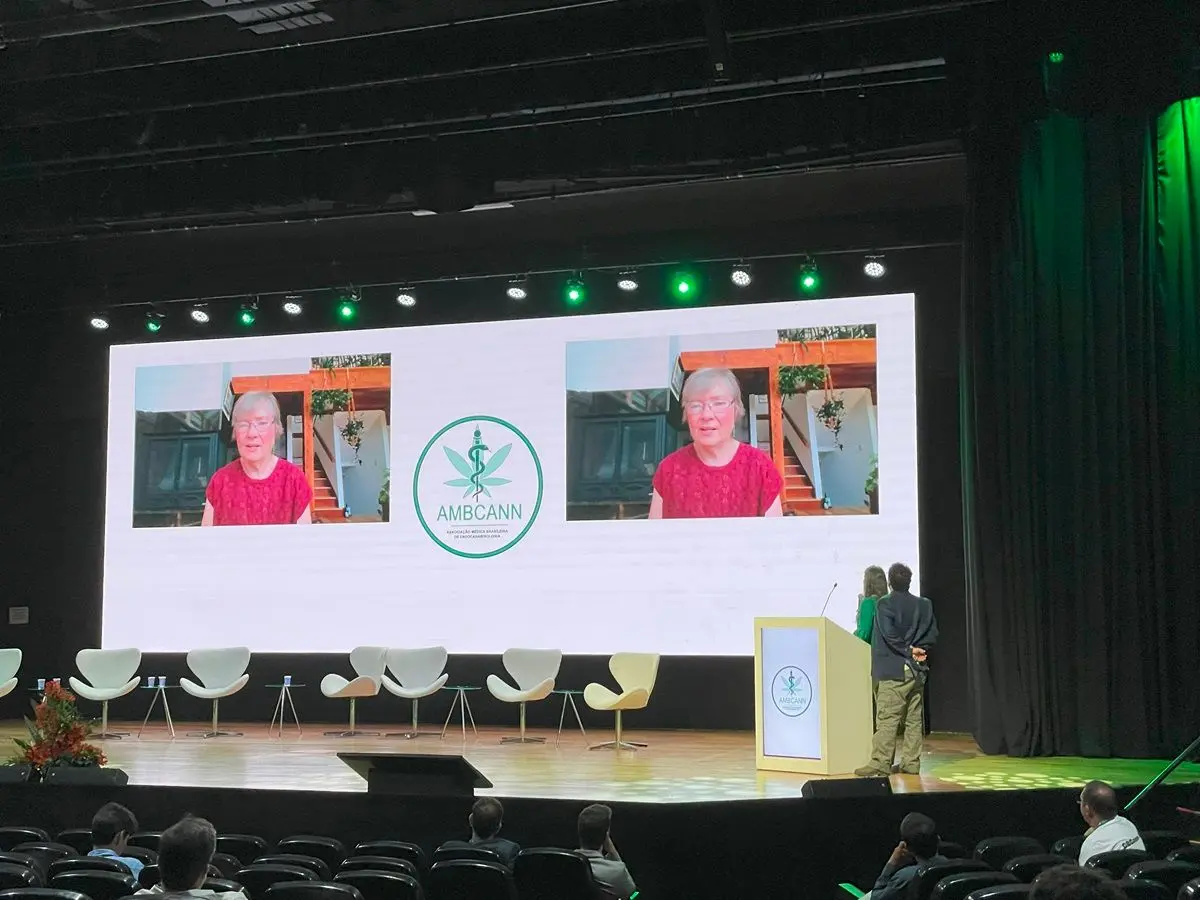
The researcher explained that at the time, the pharmaceutical company Pfizer was already conducting intensive research on cannabinoids, aiming to enter the market with these compounds. However, the company decided to prioritize opioids, a segment that promised greater commercial return. As a result, studies involving cannabinoids were made available to academic researchers. It was based on these studies that Howlett identified the CB1 receptor, mainly located in the brain and responsible for mediating the psychoactive effects of THC, one of the main compounds in the plant.
"Without access to Pfizer's research, I would not have discovered the CB1 receptor. They chose to invest in opioids, but this opened up an opportunity for academic science to advance in the study of cannabinoids", explained Howlett during her participation in the event.
The Importance of the Endocannabinoid System and the Need for Education
The discovery of the CB1 receptor was the key that led scientists to investigate an entirely new biological system, called the Endocannabinoid System. This system, composed of receptors such as CB1 and CB2, endocannabinoids produced by the body itself, and enzymes responsible for their degradation, is involved in regulating a wide range of physiological and cognitive processes. The role of external cannabinoids (phytocannabinoids), such as THC and CBD, began to be analyzed more precisely, enabling the development of cannabis-based medications to treat conditions ranging from neurological disorders to chronic inflammations.
Despite the advancements, Howlett highlighted a persistent challenge in the lack of inclusion of the Endocannabinoid System in medical curricula. "Today we already have cannabis-based products aimed at specific conditions, such as refractory epilepsy, but education about the ECS in universities is still very limited", said the researcher. She believes that this situation will only change when the market for cannabis-derived products expands. "The sector needs to bring more therapeutic options, which will force educational institutions to address the topic more seriously", she added.
The Future of Cannabinoid Medicine
Regarding the future of cannabinoid medicine, Howlett has a clear vision. The specialist believes that the focus of medical science should expand beyond isolated molecules, such as THC or CBD, and explore combinations of different phytocannabinoids. According to her, the great therapeutic potential of cannabis lies in the interaction between these compounds, allowing for a more effective treatment of the diseases themselves, not just their symptoms.
"Today we are very focused on isolating molecules, but the real breakthrough will be in finding the ideal combination of phytocannabinoids to treat the pathology as a whole, not just the symptoms. That is the direction I believe is the future of cannabinoid medicine", stated Howlett.
The discovery of the CB1 receptor not only revolutionized the understanding of the effects of cannabis on the human body but also opened doors to new medical treatments. With the advancement of science and the increasing acceptance of cannabinoid products in the market, the Endocannabinoid System proves to be an essential piece in the future of medicine. As Howlett pointed out, the challenge now is to expand this knowledge to doctors and healthcare professionals, while science continues to uncover the full therapeutic potential of the plant.