Anvisa to decide today the future of RDC 327 in a meeting that could redefine rules for cannabis products in Brazil
Norm that regulates manufacturing, importation, prescription, and inspection may be entirely revoked and replaced by a new regulatory framework; decision will be made at the Collegiate Board meeting.

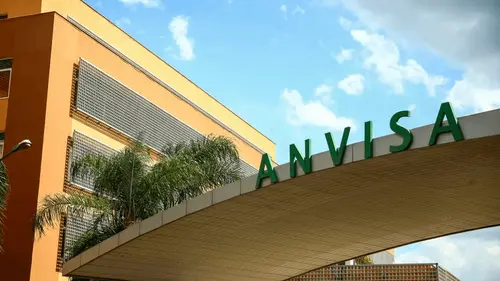
The National Health Surveillance Agency (Anvisa) will decide today, December 10, the future of RDC 327/2019, a norm that establishes the rules for manufacturing, importation, commercialization, prescription, and inspection of cannabis products for medicinal use available in pharmacies and drugstores in Brazil. The Collegiate Board will vote on the proposal for updating presented by director Rômison Rodrigues Mota, which could entirely revoke the current regulation and establish a new regulatory framework for the sector.
The draft under review maintains essential guidelines but brings structural changes. The text foresees that only companies with a Operating Authorization (AFE) and, when necessary, Special Authorization (AE) will be able to request the Sanitary Authorization (AS), provided they submit a complete technical dossier, including development, quality control, stability, raw material origin, and safety data.
The proposal also reinforces that products must exclusively contain cannabidiol (CBD) phytopharmaceutical or CBD-dominant extracts from Cannabis sativa L., allowing THC concentrations above 0.2% only in specific situations provided for by the norm. The text continues to prohibit modified release, nanotechnological, pegylated, or plant-based drug formulations.
One of the voting points is the explicit prohibition of magistral manipulation of preparations containing cannabis derivatives, which would prevent compounding pharmacies from producing these formulations. Prescriptions will remain restricted to cases without regularized therapeutic alternatives and will depend on the signing of an Informed Consent Form (ICF).
The draft also expands requirements for traceability, tamper-evidence, quality control, and pharmacovigilance. Sanitary inspections may occur at any time, and the renewal of the Sanitary Authorization will depend on additional technical criteria.
Despite more restrictive sections, the text presents advances considered positive by the sector, such as the possibility of using a commercial brand on products — something prohibited by the current RDC — and the provision for post-authorization changes that do not require prior approval from Anvisa, reducing bureaucracy and bringing more operational agility to companies.
If approved, the new regulation will entirely replace RDC 327/2019 and will come into force 90 days after its publication. However, directors may request to review the document, which would postpone the decision to another date. The definition will be made throughout the meeting this Tuesday, closely followed by the industry, healthcare professionals, patients, and sector entities.
Follow live: