Brazil's cannabis sector enters consolidation phase and aims for integration with agribusiness
Sustainable growth depends on technical education and Agro's entry into the production chain

Published on 12/01/2025
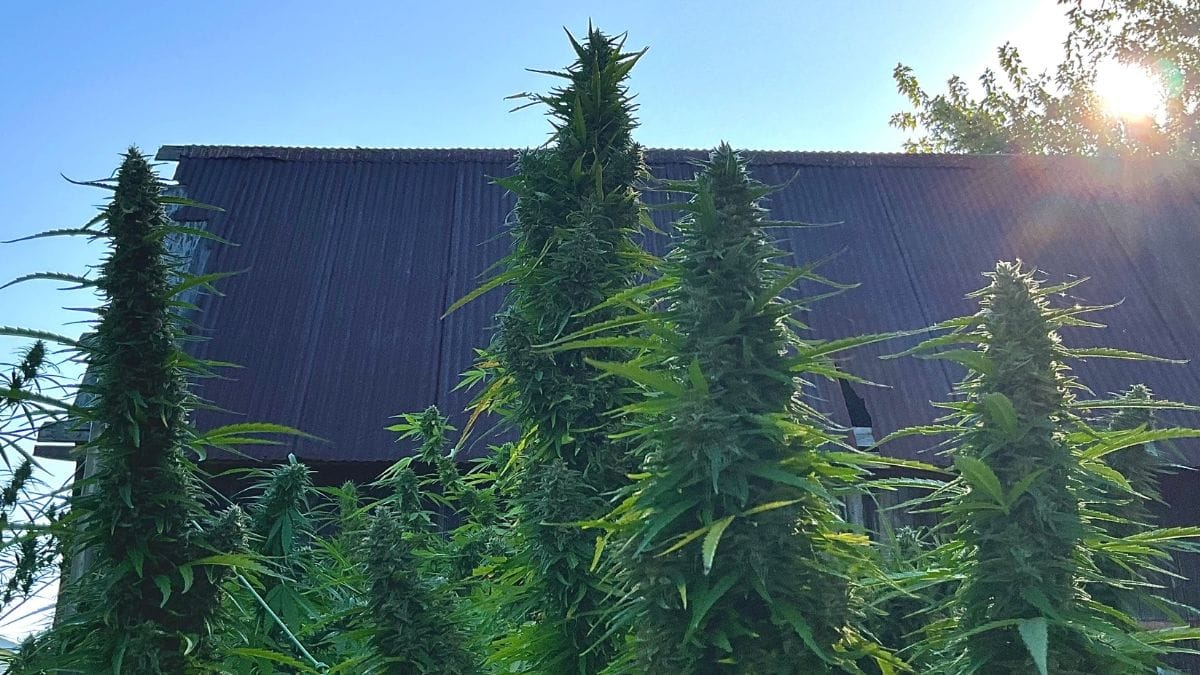
Brazil's cannabis market is starting to move from the initial phase to a consolidation stage. Image: Canva Pro
During the 4th edition of the Brazilian Medicinal Cannabis Congress, Alex Lucena, partner at The Green Hub, analyzed the current sector scenario. As one of the industry pioneers, the executive notes that the cannabis market in Brazil is starting to move from the initial phase to a consolidation stage.
Lucena, who has been working in the field for seven years, describes the feeling of attending the event as that of a "godfather" of the sector. He observes companies, which were once small initiatives, gaining traction and commercial relevance.
However, the specialist warns of a new turning point in the country. According to him, sustainable growth will depend fundamentally on two pillars, massive education and integration with agribusiness.
The cannabis market and the power of Agro
For Lucena, Brazil has a natural and mandatory path due to its agricultural power, national large-scale production. The entrepreneur's expectation lies in the implementation of the "From seed to sale" concept. This model would integrate cultivation directly into the processing industry, strengthening the production chain. "The sector is saying 'our next step will be this', there is a great expectation," he states.
Lucena highlights the country's competitive advantage. "Brazil is the world's largest agricultural producer, technologically advanced. And there is no reason why we shouldn't be in this race," the executive concludes about the cannabis market potential.
Regulatory advances and national production
Lucena's vision aligns with the transforming regulatory scenario pointed out by the Medicinal Cannabis Yearbook 2025, by Kaya Mind. The sector has experienced crucial advances in the last 12 months, including favorable decisions from the STJ regarding industrial and medicinal hemp cultivation.
These measures pave the way for future regulated national production in the cannabis market. Although the industry still relies mainly on imports, the agricultural potential is already being explored through associativism.
The yearbook indicates that there are at least 27 hectares of land occupied by cannabis cultivation by patient associations in Brazil. For Lucena, the entry of traditional agribusiness into this circuit is only a matter of time.
"I have been talking to some groups and people from agribusiness are very engaged," he reports.
Education is a central challenge in the cannabis market
If agribusiness represents the infrastructure of the future, education remains the fundamental foundation for the present. Lucena emphasizes that the lack of technical knowledge is still a significant barrier to the expansion of the cannabis market.
"The most important thing for development is for our industry to educate all stakeholders. Doctors do not learn about the endocannabinoid system in universities," he points out.
For the entrepreneur, the recipe for success is clear. "Education, education, education, information". Sector data support the concern raised by the specialist during the panel.
Despite the growth in the number of prescribers, clinical adoption is still timid. Less than 1% of qualified professionals in Brazil regularly prescribe plant-derived products, highlighting the educational bottleneck.