Cannabis is not a 'drug': science and medicine dismantle the stigma
Biological understanding, clinical applications, and public policies show why the plant should be treated as a therapeutic resource — and not just as a recreational or harmful substance

Published on 02/10/2026
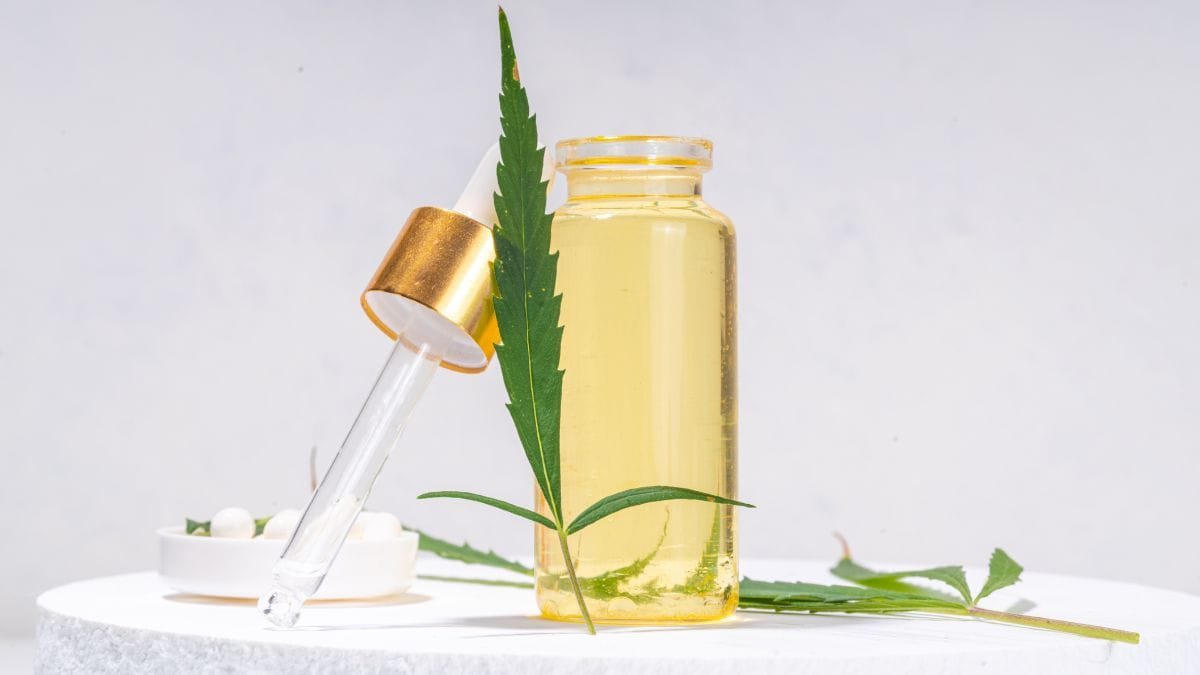
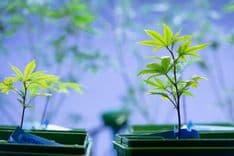
Cannabis has been used as a therapeutic resource by humanity for thousands of years, with historical records of its medicinal use long before modern medicine. | Image: Canva Pro
Classifying cannabis exclusively as a 'drug' is a simplification that does not hold up in the face of the scientific, medical, and institutional evidence accumulated in recent years. Unlike substances harmful to the body, cannabis acts on a biological system already present in the human body and directly linked to the balance of essential functions such as pain, inflammation, sleep, mood, and immune response. Click here to learn more: This understanding is transforming how the plant is analyzed by medicine, science, and public health policies.
A system that already exists in the human body
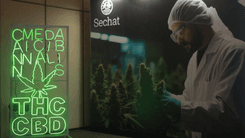
One of the main points that help dismantle the stigma around cannabis lies in the functioning of the body itself. The human body produces substances similar to the cannabinoids present in the plant, making it biologically inconsistent to treat it as something completely foreign or toxic to the body. In a live on the Sechat portal, neurosurgeon and scientific director of Sechat - member of the Scientific Committee of the Brazilian Congress of Medicinal Cannabis Dr. Pedro Pierro explains: 'Saying that a person is allergic to cannabis is the same as saying that a person is allergic to corticosteroids... it is very difficult because we produce these molecules endogenously.'
This natural production is related to the endocannabinoid system, responsible for maintaining the body's homeostasis. When used medicinally, cannabis acts precisely on this system, helping to correct physiological imbalances associated with various diseases. As Pierro summarizes: 'You are taking care of your endocannabinoid system. You are taking care of an important part of your life.' For the doctor, this care is comparable to maintaining any other system in the body that undergoes natural wear and tear over time.
Diseases treated with medicinal cannabis
In clinical practice, medicinal cannabis is already used in the treatment of a wide variety of conditions. These include refractory epilepsies, autism spectrum disorder (ASD), chronic pain, multiple sclerosis, Parkinson's, Alzheimer's, fibromyalgia, anxiety, insomnia, and as adjunctive therapy in oncology patients, especially in pain control, nausea, and other symptoms associated with cancer treatment.
This therapeutic use is not limited to the private sphere. Cannabidiol (CBD) is already distributed by the Unified Health System (SUS) in states and municipalities that have implemented specific public policies, mainly for patients with severe and refractory epilepsies. The presence of CBD in the SUS reinforces the institutional recognition of cannabis as a therapeutic tool.
Dependence, risk, and comparison with other medications
Another central point of the debate is the issue of dependence. Although isolated THC can cause dependence in some cases, experts point out that this risk is not exclusive to cannabis. Several widely prescribed medications — such as antidepressants and anxiolytics — have a higher potential for dependence and yet continue to be used in medicine. Pierro emphasizes this distinction by stating that, even in this context, THC maintains its 'pharmaceutical properties.'
The doctor also draws attention to the social contradiction of demonizing cannabis while normalizing the consumption of other psychoactive substances. 'Coffee is also a psychoactive substance,' Pierro reminds. Similarly, he criticizes the excessive use of benzodiazepines, common anxiolytics in medical practice, which he defines as an 'emotional straitjacket,' suggesting that, in certain clinical conditions, cannabis may be a more efficient and less aggressive therapeutic alternative.
Neuroprotection and early use
In addition to symptom control, experts highlight a strategic aspect of the medicinal use of cannabis: the potential for neuroprotection. According to Pierro, the early and well-indicated use of the plant can help slow the progression of neurodegenerative diseases, offering benefits that many conventional medications cannot achieve. He states that this use can have 'neuroprotective effects,' acting differently from traditional 'drugs.'
How to access medicinal cannabis in Brazil
In Brazil, access to medicinal cannabis is legal, provided specific criteria are followed. The first step is a consultation with a doctor, who must issue a medical prescription and clinical report justifying the treatment's use.
With this documentation, the patient can obtain the medication through different channels: authorized pharmacies, importation with Anvisa authorization, patient associations, and, in specific cases, through home cultivation, authorized via medicinal habeas corpus granted by a judicial decision.
More recently, the Anvisa approved the possibility of compounding pharmacies to work with cannabis-based products, although full operation still depends on complementary rules. Some pharmacies already operate with judicial authorizations while awaiting definitive regulation.