Cannabis ruderalis: origin, effects, and benefits of the lesser-known subspecies
Discover what cannabis ruderalis is, its main characteristics, uses, effects, and why it sparks the interest of growers and researchers

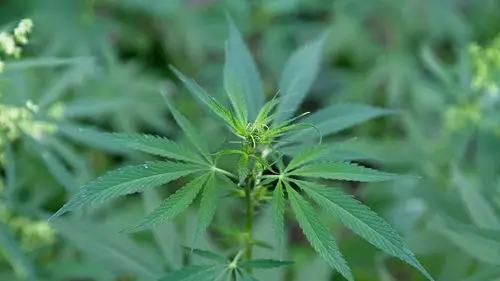
Many are familiar with the dichotomy of cannabis indica and cannabis sativa when it comes to classifying plant varieties. But there is a third, less popular subspecies: cannabis ruderalis.
This variety stands out for its autofluorescence, meaning it blooms even without light, its low levels of tetrahydrocannabinol (THC), and high levels of cannabidiol (CBD). It also thrives in hostile environments, often due to human influence or natural disturbances.
Discovered in 1924 by the Russian botanist Janischevsky in Siberia, since then, this species has gained prominence for its resistance to extreme climates and adaptability.
Autofluorescence: independent life cycle
Unlike photoperiod varieties, ruderalis flowers based on the plant's age, not the amount of light. Between 20 and 30 days after germination, it already starts the flowering phase.
The complete cycle usually lasts between 70 and 110 days, allowing for multiple harvests throughout the year - a characteristic valued by growers.
Resistance and simplified cultivation
Adapted to harsh climates, cannabis ruderalis is robust and resistant to pests. Generally, it does not exceed 60 cm in height, with small flowers and thinner leaves, usually with three leaflets.
For cultivation, it is recommended: moderate watering; well-oxygenated substrate; good exposure to light and effects of cannabis ruderalis. Due to its low THC content, ruderalis does not produce significant psychoactive effects. CBD, on the other hand, offers a sense of calm and therapeutic properties.
Therefore, the plant is rarely consumed alone, being more commonly used for genetic crosses.
Uses and applications
The characteristics of cannabis ruderalis are utilized in crosses with indicas, sativas, and hybrids. The goal is to combine:
- Autofluorescence and resistance of ruderalis;
- Potency and terpene profile of the mother strain.
The result is new hybrid variants that combine high yield, ease of cultivation, and medicinal potential.
With information from El Planteo