CBD and Liver: Guidelines for a Calm and Safe Use
Specialist emphasizes that, with medical supervision and individual attention, the use of cannabidiol can be done safely for liver health

Published on 08/12/2025
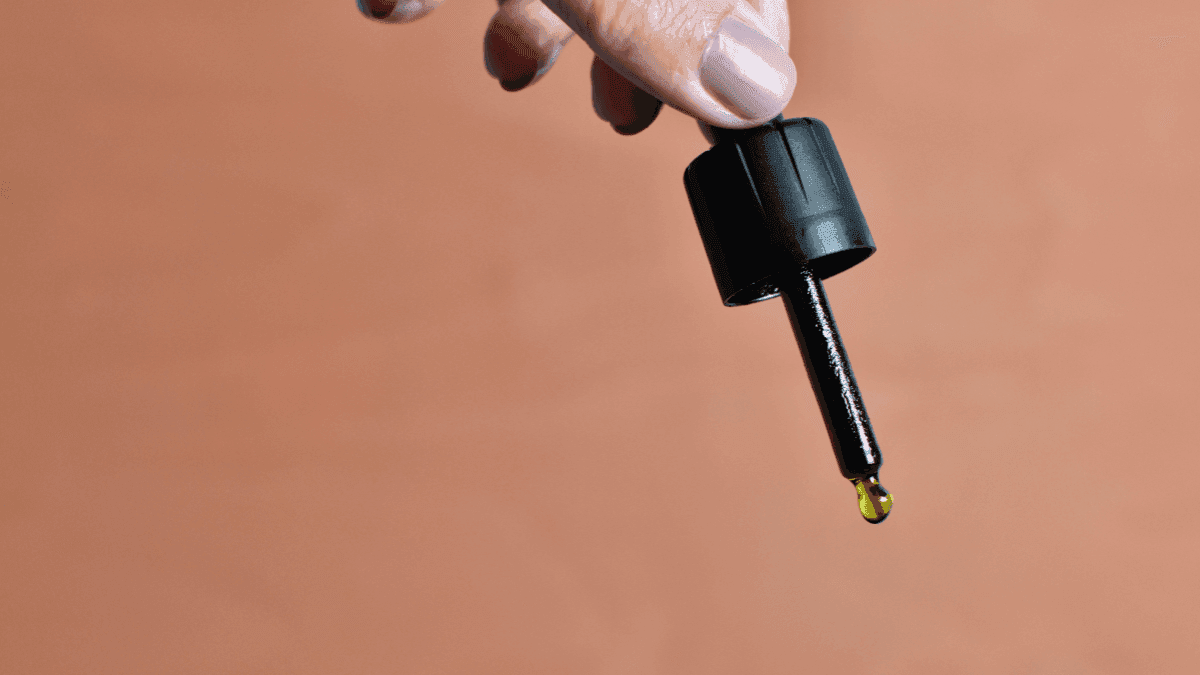
CBD Safety Depends on the Patient, Not Just the Dosage, Doctor Warns | CanvaPro
A study conducted in the United States tested the use of cannabidiol (CBD) for 30 days, at a dosage of 5 mg per kilogram, and identified changes in liver markers. The research sparked a discussion about what would be the truly safe range of use, as the interpretation of the results depends directly on the dosage definition adopted and the clinical condition of the patients.
What is, after all, a low dose?
According to Dr. Guilherme Nery, postgraduate in Cannabinoid Medicine, the dosage of 5 mg/kg/day used in the study, about 350 to 400 mg per day for an average adult, cannot be considered low. “From a clinical and pharmacological point of view, this is a moderate to high dose,” he explains.

In medical practice, low doses generally stay below 1 mg/kg/day, especially for sensitive or pediatric patients. In mild conditions, such as anxiety or sleep disorders, doses usually range between 10 and 50 mg/day. However, cases like epilepsy, refractory chronic pain, or Autism Spectrum Disorder (ASD) may require more than 100 mg/day.
The doctor emphasizes that the prescription should consider individual factors such as body weight, liver function, medical history, and possible drug interactions. The safest method remains “start low, go slow,” starting with very low doses and gradually increasing as per the patient's response.
Healthy vs. Unhealthy: What Matters for the Liver
The impact of CBD on the liver depends directly on pre-existing hepatic conditions. A patient considered healthy, according to Nery, has tests within normal standards, does not chronically consume alcohol or hepatotoxic drugs, and does not have diagnosed liver diseases.
In the mentioned study, individuals with abnormal test results, a history of excessive alcohol consumption, or recent use of drugs and nicotine were excluded. Nevertheless, 5% of the participants showed elevated liver enzymes, without exceeding twice the upper limit of normality, something that the doctor considers “expected and not concerning” in the researched scenario.
Self-Medication: The Issue Lies in the Lack of Supervision
The use of CBD without medical supervision is common in countries where it is classified as a dietary supplement, but in Brazil, the product is considered a controlled medication.
According to Nery, self-medication itself is not the greatest risk, but rather the lack of pharmacovigilance. “The problem is the patient's lack of education. When properly guided, they understand the risks and avoid abuses,” he states.
The specialist warns that the greatest danger lies in drug interactions, especially in patients already taking multiple medications.
Does CBD Harm the Liver?
According to the doctor, it is not possible to affirm that CBD is harmful to the liver. “The data shows that it is safe. The found alteration was mild and in few participants, not indicating significant toxicity,” he concludes.
For Nery and other specialists, the safety in using cannabidiol depends more on individual clinical evaluation and monitoring than on a fixed number of milligrams on the label.