CBD in the fight against crack: UnB study points to hope and a new natural source in Brazil
UnB study shows the effectiveness of CBD in treating crack dependence; a native plant of Brazil emerges as a new and accessible source of the compound

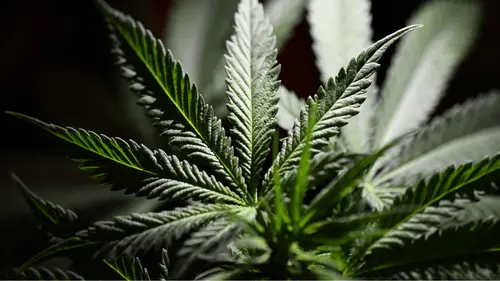
A discovery that springs from our own soil could change the course of chemical dependency treatment in Brazil. Researchers from the University of Brasília (UnB) announced encouraging results in the use of cannabidiol (CBD) to treat individuals dependent on crack. Moreover, a plant previously seen as 'weeds' may be the key to democratizing access to this therapeutic substance.
The study conducted at UnB revealed that the use of CBD was more effective in reducing crack consumption and its side effects compared to medications traditionally used in Psychosocial Care Centers for Alcohol and Drugs (CAPs AD). For those facing the challenge of treating such complex cases, this news represents a breath of fresh air for both health professionals and patients and their families.
Meanwhile, on the other side of Brazil, another line of research also promises to shake the foundations of medicinal biotechnology. Scientists discovered that Trema micrantha, a shrub that grows freely across almost the entire national territory, naturally contains cannabidiol in its flowers and fruits. The revelation was made to the AFP agency by molecular biologist Rodrigo Moura Neto from the Federal University of Rio de Janeiro (UFRJ) and gained attention in international media outlets such as Science Alert.
“It is a plant that grows in the wild, without needing any specific management. This opens up the possibility of having an alternative, legal, and much more accessible source of cannabidiol,” explained the biologist.
CBD, which is one of the most studied compounds of cannabis, has been used worldwide to treat epilepsy, chronic pain, anxiety, and, more recently, chemical dependency. Unlike THC, it does not cause cognitive or sensory alterations, making it a safer alternative for various patient profiles.
For the researchers at UnB, the results with crack dependents bring not only data but also humanity: we are talking about lives that can find meaning again, family bonds that can be restored, and hopes that can blossom again, just like Trema micrantha in the Brazilian fields.