CBD: The Therapeutic Use without Risk of Dependence
Can cannabidiol be addictive? Doctor Gabriela Mânica says no!

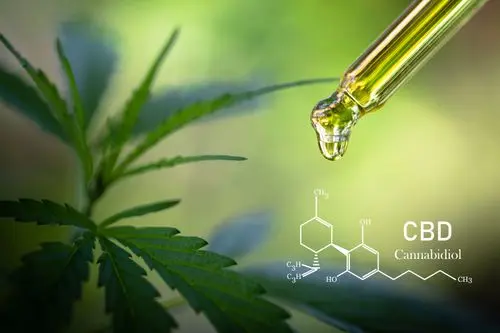
Cannabidiol (CBD) is a non-psychoactive molecule found in plants of the Cannabaceae family, especially in Cannabis sativa. Among the over a hundred cannabinoids identified in this plant, CBD stands out for being 'one of the most prevalent active compounds in cannabis,' as pointed out by Harvard Health Publishing.
Although excessive consumption may cause nausea, fatigue, and diarrhea, cannabidiol is considered safe and well-tolerated by both humans and animals. Geriatric doctor Gabriela Mânica ensures that CBD-based products pose zero risk of addiction. The World Health Organization (WHO) states that 'in its pure state, cannabidiol does not appear to have the potential to cause dependence or adverse effects'.
Conducted by Brazilian researchers, a 2011 study investigated the effects of CBD on patients with social phobia. Besides revealing that cannabidiol significantly reduces anxiety levels, without causing dependence, it also showed therapeutic benefits in psychological conditions without adverse addiction effects.
What is addiction?
Also known as substance dependence, addiction is a disease recognized by the WHO that affects both the human body and society as a whole. Prolonged use of legal or illegal drugs is associated with over 200 health problems and is also a risk factor for violence and road accidents.
CBD, besides not having addiction-causing properties, can also be an ally in the treatment of substance dependencies like alcohol. Published on PubMed, a study highlighted that among individuals undergoing treatment for alcoholism, cannabinoid use is related to a significantly lower percentage of alcohol abstinent days.
Researchers from the University of Brasília (UnB) revealed that CBD may bring promising results in the treatment of crack dependency. The study, involving 73 drug users, showed that treatment with CBD oil was more effective than conventional medications in reducing symptoms associated with crack use.
Can CBD lead to death?
Gabriela Mânica emphasizes that 'there is no data on marijuana-related deaths worldwide' due to the absence of CB1 and CB2 receptors in the brainstem, where the centers controlling breathing and heart rate are located. Today, besides being highly safe, CBD has proven to be very effective in the treatment of chronic pain, epilepsy, inflammation, spasticity, neurodegenerative diseases, and more.
What about THC?
'The risk of developing a cannabis use disorder, whether for recreational or medicinal purposes, is much lower than that of various conventional medications, even for products with high levels of tetrahydrocannabinol (THC),' comments Gabriela Mânica. 'In cannabis, the risk of dependence is about 6%, while for benzodiazepines it is 18%,' the doctor adds during her participation in the 20th episode of Deusa Cast, a podcast produced by Portal Sechat. To listen to the full interview, click below: