CBDA: what is it, what is it for, and what are its benefits?
Research indicates that cannabidiolic acid (CBDA) may have anti-inflammatory, anticancer, and antiemetic (against nausea) properties.

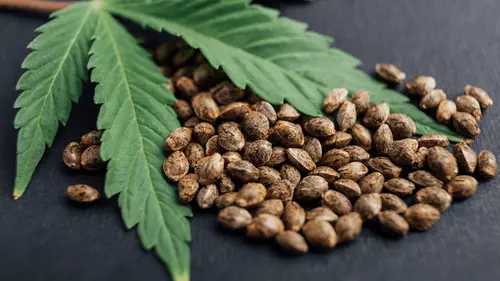
Cannabidiolic acid (CBDA) is a natural compound found in Cannabis sativa L., especially in industrial hemp. Recently, scientific research has been revealing that CBDA can bring various health benefits, including anti-inflammatory action, potential anticancer effects, and positive effects against nausea and vomiting. But how does it work in the body? In this article, you will understand everything about CBDA clearly and objectively.
What is CBDA?
CBDA is one of the many phytocannabinoids present in the cannabis plant. It is considered a precursor to cannabidiol (CBD), meaning that when exposed to heat, CBDA converts to CBD through a process called decarboxylation. However, recent studies indicate that CBDA may offer benefits of its own, regardless of CBD.
What is CBDA used for?
Research indicates that CBDA can act in different areas of health. Here are some of the main applications of this compound:
- Anti-inflammatory action: studies show that CBDA can inhibit the enzyme cyclooxygenase-2 (COX-2), involved in inflammatory processes. This suggests that it may be useful in the treatment of conditions such as arthritis and autoimmune diseases.
- Potential anticancer: initial research indicates that CBDA may help reduce the migration of aggressive cancer cells, especially in certain types of breast cancer.
- Antiemetic effect: CBDA has been shown to be more effective than CBD in reducing nausea and vomiting, which can benefit patients undergoing chemotherapy or suffering from chronic nausea.
CBDA versus CBD: what's the difference?
Many people confuse CBDA and CBD, but there are important differences between them:
- Absorption in the body: CBDA has greater bioavailability than CBD, meaning it is absorbed more efficiently by the body, potentially producing effects with smaller doses.
- Mechanism of action: while CBD interacts directly with the endocannabinoid system, CBDA appears to act on other mechanisms, such as serotonin modulation and COX-2 inhibition.
- Natural conversion: CBDA converts to CBD when heated, so oils and extracts containing CBDA need to be stored correctly to prevent this conversion.
How is CBDA absorbed by the body?
Studies indicate that CBDA has superior oral absorption to CBD. This means that when ingested, it can reach higher concentrations in the bloodstream. This characteristic can make it more effective in certain conditions, as well as allow the use of lower doses to achieve the desired effects.
Is CBDA safe?
So far, preclinical research has not indicated serious side effects related to the use of CBDA. However, the lack of in-depth clinical studies prevents it from being widely recommended for medicinal use. Additionally, the regulation of this compound varies from country to country, which may affect its availability in the market.
The future of CBDA in Medicine
Despite regulatory challenges and the need for more clinical studies, CBDA is already considered a promising compound. Its therapeutic potential may open doors to new alternatives in the treatment of inflammation, cancer, nausea, and even mood disorders.
Consulted Research:
- Cannabinoids as Anticancer Therapeutic Agents
Did you like this content? Share it with those who also want to learn more about the benefits of CBDA!